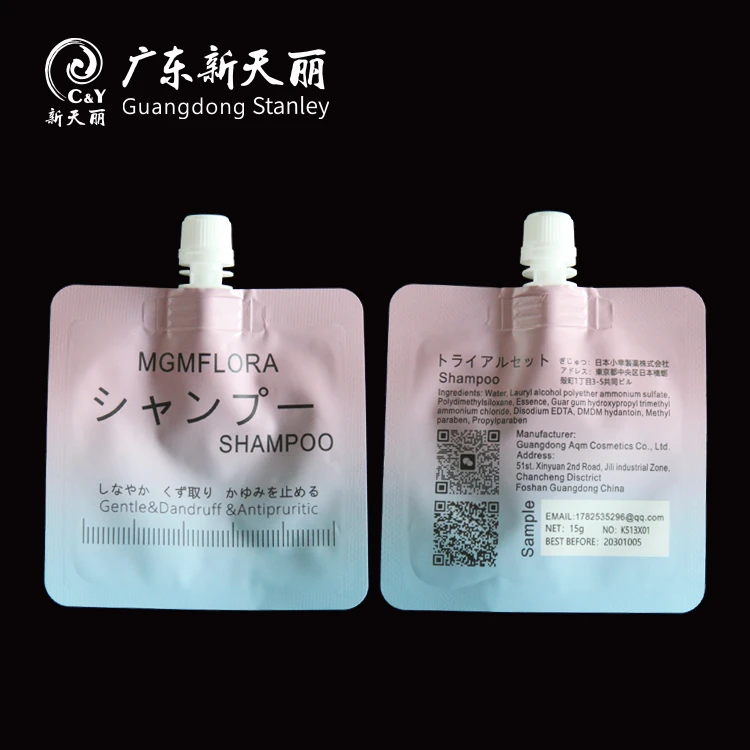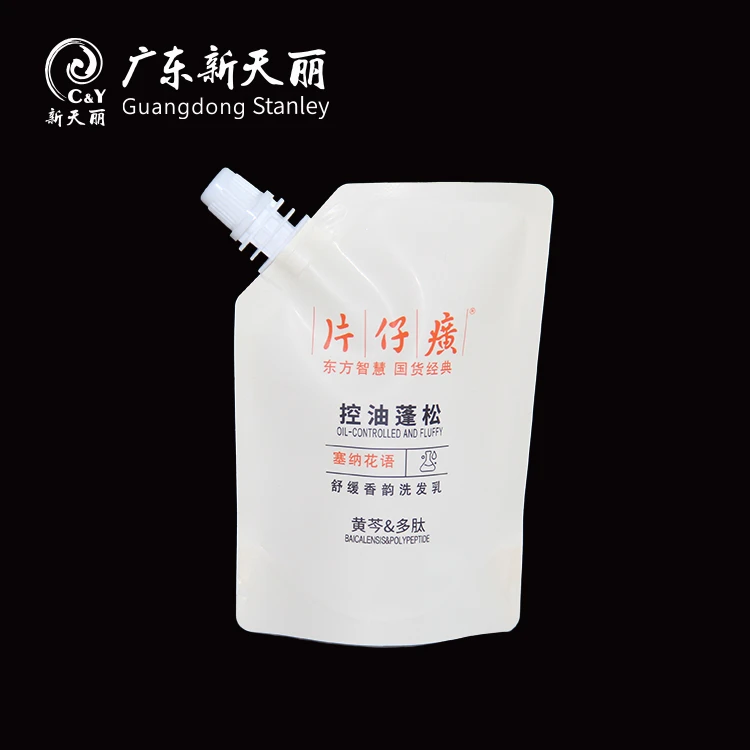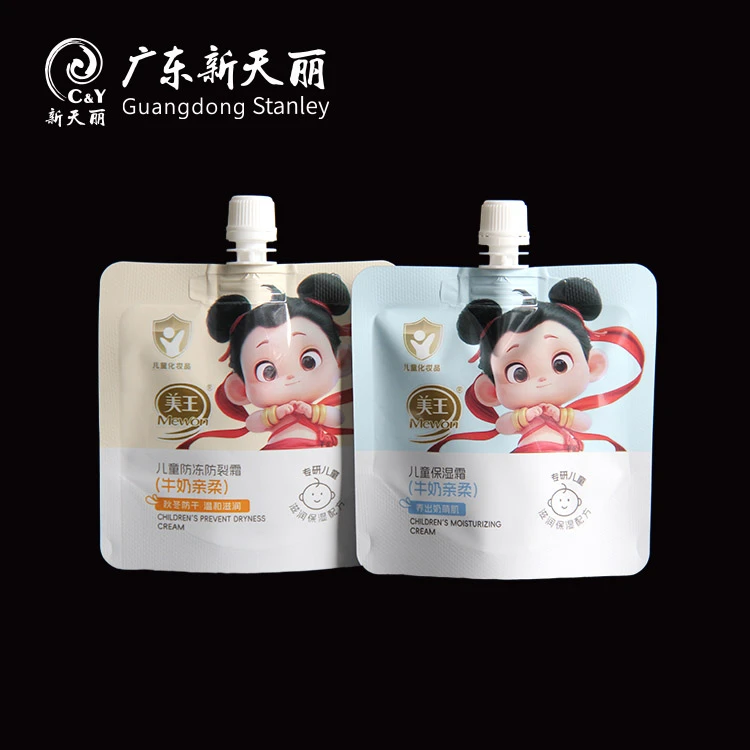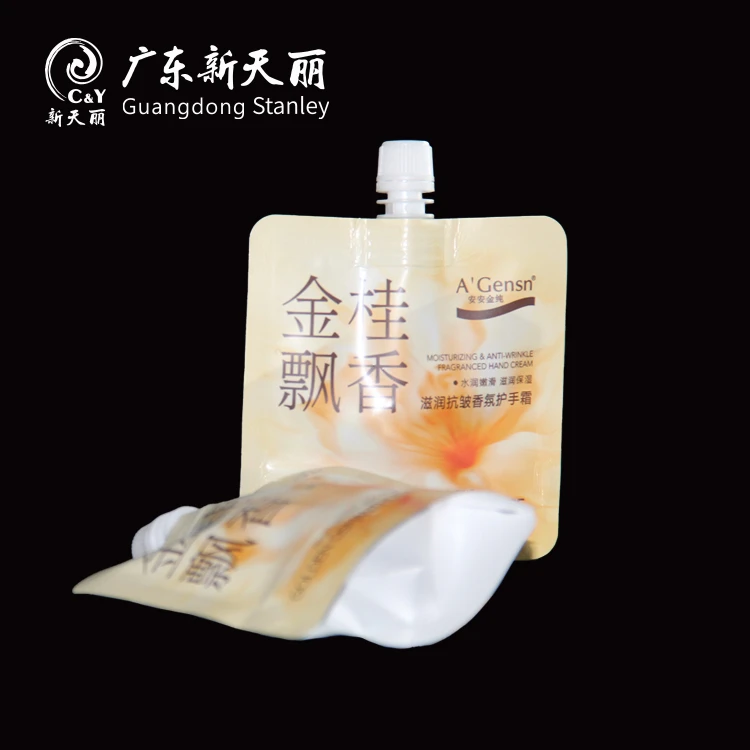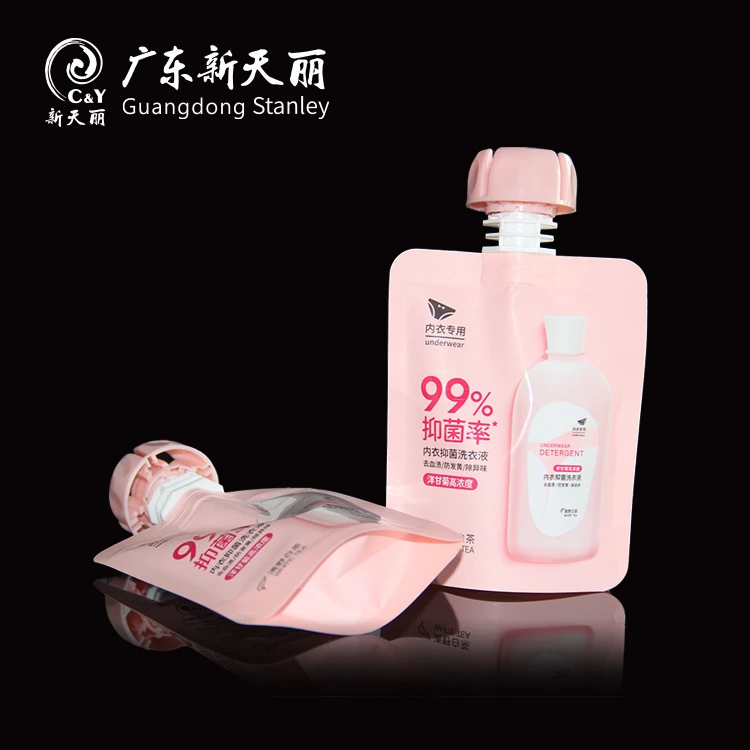
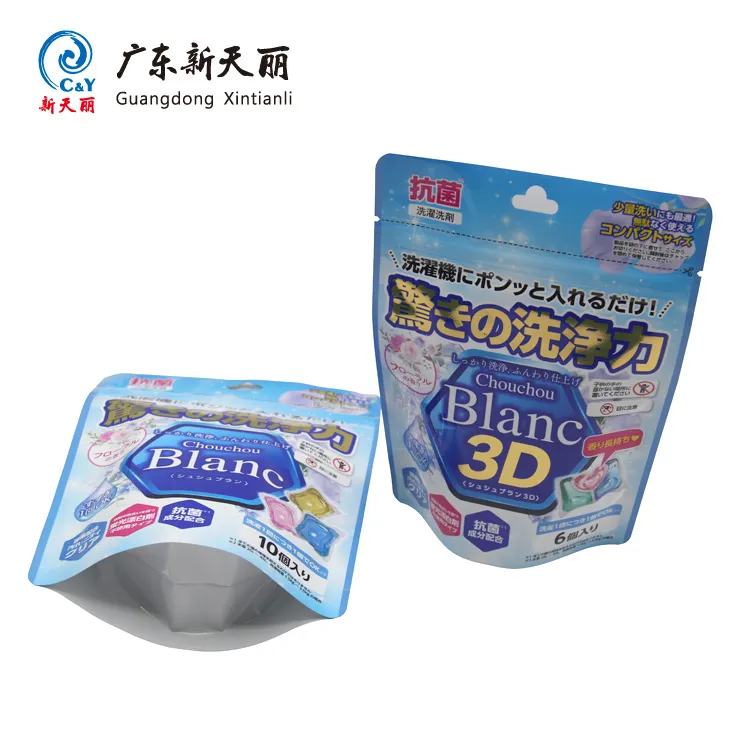
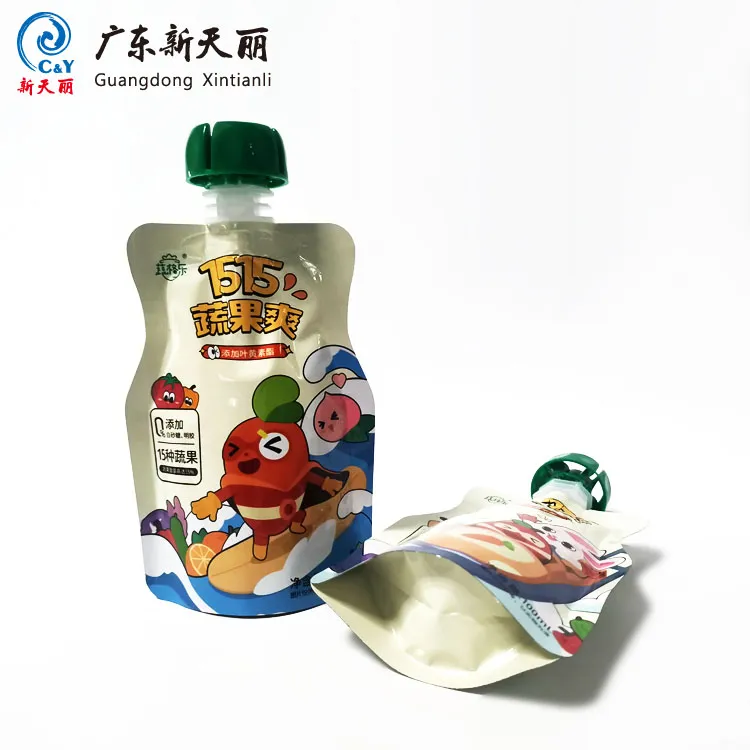
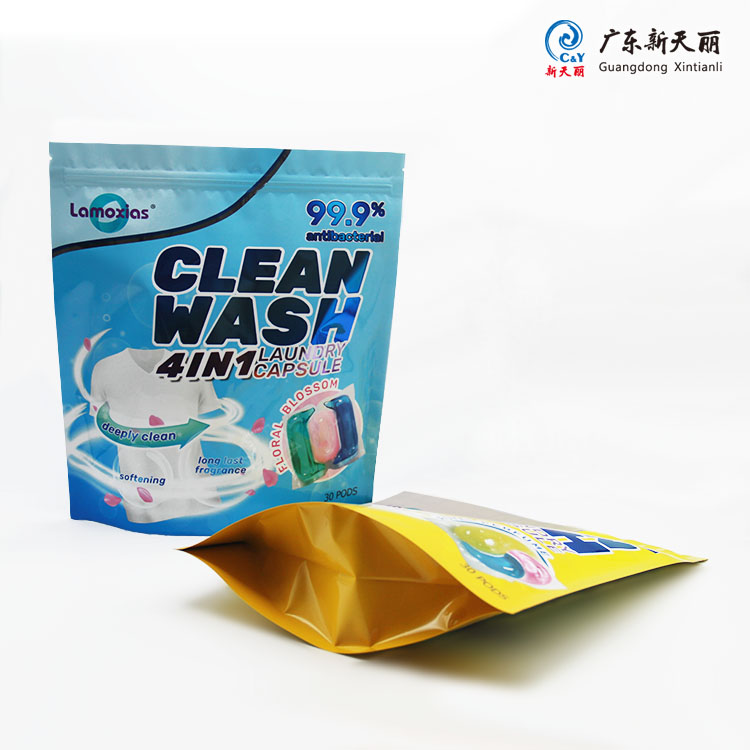
Lors de l'approvisionnement emballage flexible sur mesure, Quantité minimale de commande pour les sachets à fond plat C'est l'une des premières questions que se posent les acheteurs. Que vous soyez une marque agroalimentaire, un importateur, un distributeur, un détaillant ou un conditionneur à façon, connaître la quantité minimale de commande avant de demander un devis peut vous aider à maîtriser vos coûts d'emballage, à éviter les stocks superflus et à choisir la solution de fabrication la mieux adaptée.
Cependant, la quantité minimale de commande (MOQ) n'est pas simplement un chiffre fixé par le fabricant d'emballages. Elle dépend de la taille du sachet, de la composition du matériau, des exigences en matière d'impression, des caractéristiques fonctionnelles et de l'efficacité de la production.
Ce guide explique comment Quantité minimale de commande pour les sachets à fond plat comment cela fonctionne et ce que les acheteurs doivent prendre en compte avant de passer une commande de pochettes personnalisées.
Quelle est la quantité minimale de commande (MOQ) pour les sachets à fond plat ?
MOQ (quantité minimale de commande) Il s'agit de la plus petite quantité qu'un fabricant est prêt à produire pour une commande d'emballage donnée.
Pour les sachets à fond plat personnalisés, la quantité minimale de commande (MOQ) est généralement exprimée en pièces, mais les fabricants peuvent également évaluer la commande en fonction de la consommation de matériaux, de la surface d'impression, de la configuration de production ou de la valeur totale de la commande.
Par exemple, la fabrication d'un sachet à fond plat sur mesure peut nécessiter :
- Une structure spécifique de film multicouche
- Dimensions personnalisées
- Illustrations personnalisées
- Impression en héliogravure
- Fermetures à glissière ou encoches de déchirement
- Becs verseurs ou autres composants fonctionnels
- Finitions de surface spéciales
Chaque exigence de production supplémentaire peut avoir une incidence sur le temps de préparation du fabricant, la consommation de matériaux et le rendement de production.
Par conséquent, deux projets de sachets à fond plat présentant les mêmes dimensions peuvent tout de même avoir des coûts de production et des exigences en matière de quantité minimale de commande (MOQ) différents.
Quelle est la quantité minimale de commande (MOQ) habituelle pour un sachet à fond plat ?
Il n'existe pas de quantité minimale de commande (MOQ) universelle pour tous les fabricants de sachets à fond plat.
Certains fournisseurs proposent des quantités minimales de commande (QMC) moins élevées pour les formats en stock, les matériaux standard ou l'impression numérique, tandis que les fabricants d'emballages souples à grande échelle peuvent fixer des QMC plus élevées pour les sachets entièrement personnalisés et imprimés en héliogravure.
Chez Stanley Package, de nombreux modèles actuels de sachets à fond plat personnalisés sont proposés avec une quantité minimale de commande (MOQ) de 50 000 pièces, la quantité exacte pour un nouveau projet devant être confirmée en fonction de la structure du sachet, du matériau, des spécifications, de l'impression et des exigences fonctionnelles.
Pour les acheteurs B2B, il est important de noter que la quantité minimale de commande (MOQ) doit être évaluée conjointement avec le coût unitaire, qualité, efficacité de production et plan d'approvisionnement à long terme, plutôt que de se limiter à la quantité minimale de commande (MOQ).
Pourquoi les sachets à fond plat personnalisés sont-ils soumis à des quantités minimales de commande ?
1. La mise en place de l'impression engendre des coûts initiaux
Les sachets à fond plat sur mesure sont souvent imprimés en héliogravure afin d'obtenir des visuels de haute qualité et homogènes.
Avant de lancer la production en série, les fabricants doivent préparer les cylindres d'impression, régler les machines d'impression et effectuer les réglages de couleur et de repérage.
Ces coûts de préparation sont répartis sur la quantité produite.
Si vous ne commandez qu'un petit nombre de sachets, les frais de mise en route peuvent faire grimper considérablement le prix unitaire.
Une commande plus importante permet de répartir ces coûts fixes sur un plus grand nombre de pièces, ce qui contribue à obtenir un coût unitaire plus compétitif.
2. L'emballage souple utilise des structures de films sur mesure
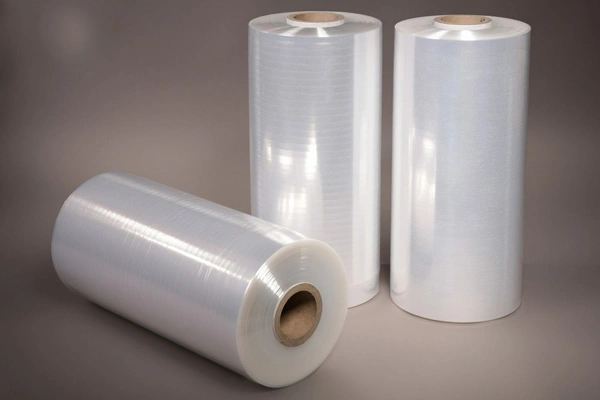
Sachets à fond plat sont généralement constitués de plusieurs couches de film d'emballage.
Selon le produit, la structure peut devoir offrir :
- Résistance à l'humidité
- Barrière à l'oxygène
- Protection contre la lumière
- Résistance à la perforation
- Performances de thermoscellage
- Résistance chimique
- Souplesse et résistance
Par exemple, les produits alimentaires, le café, les aliments pour animaux, les cosmétiques, les détergents et les produits liquides peuvent nécessiter des structures de matériaux différentes.
Une fois qu'une structure de film spécifique a été produite pour une commande sur mesure, le fabricant a besoin d'un volume de commandes suffisant pour utiliser les matériaux de manière efficace.
3. La taille du sachet influe sur la consommation de matière première
Il va de soi qu'un petit sachet de friandises et un grand sachet d'aliments pour animaux ne nécessitent pas la même quantité de film.
Les pochettes plus grandes nécessitent davantage de matière première par pièce, ce qui signifie que la rentabilité d'une commande peut varier considérablement, même lorsque le nombre de pièces est identique.
C'est pourquoi les acheteurs ne doivent pas se contenter de comparer les quantités minimales de commande (MOQ) uniquement en fonction du nombre de pièces.
Une comparaison plus pertinente tient compte des éléments suivants :
Quantité minimale de commande × taille du sachet × composition du matériau × prix unitaire
Cela permet d'avoir une vision plus réaliste de l'investissement réel consacré à l'emballage.
4. Les fonctionnalités peuvent avoir une incidence sur l'efficacité de la production
Sachets à fond plat peut comporter différents éléments fonctionnels, tels que :
- Fermetures à glissière
- Encoches de déchirement
- Becs verseurs
- Trous de suspension
- Windows
- Fonds de forme spéciale
- Différentes structures d'étanchéité
Par exemple, un sachet à fond plat muni d'une fermeture à glissière nécessite des composants et des étapes de fabrication supplémentaires par rapport à un simple sachet thermosoudé.
La fabrication d'un sachet à bec verseur peut nécessiter des opérations supplémentaires d'insertion et de scellage du bec verseur.
Ces caractéristiques peuvent donc avoir une incidence sur les coûts de production et sur la quantité minimale de commande (MOQ) recommandée.
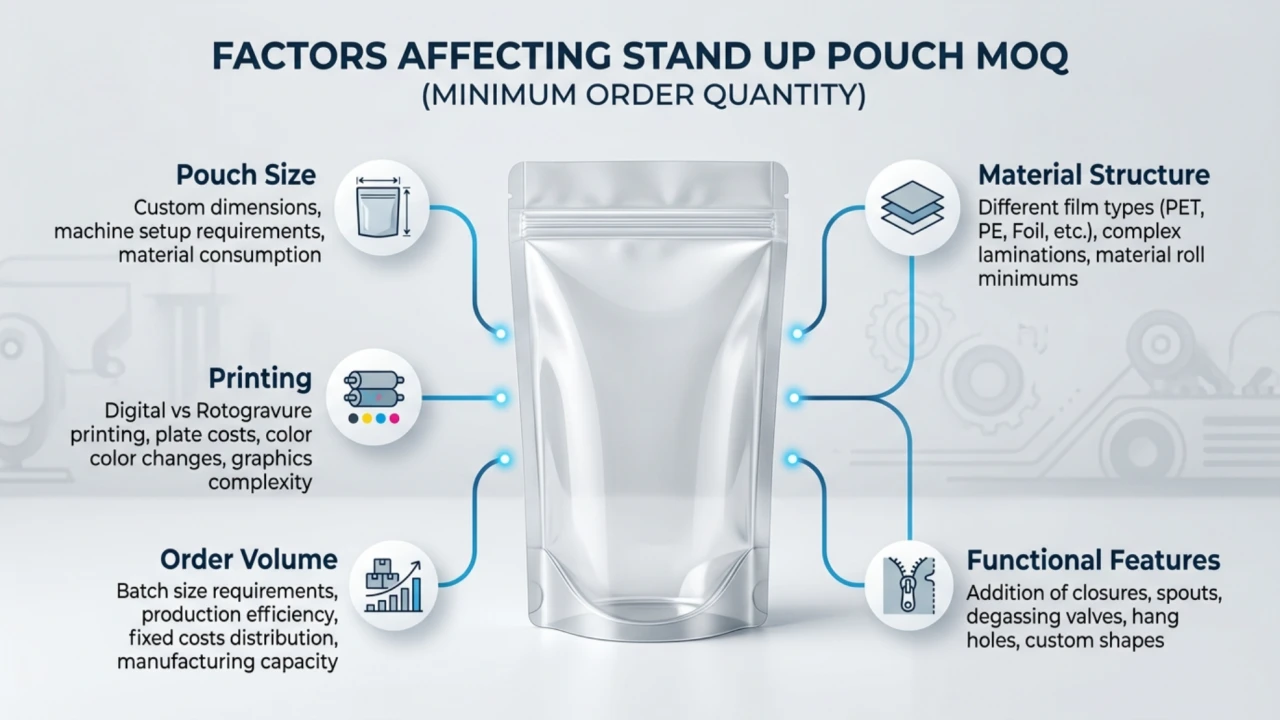
Quels sont les facteurs qui déterminent la quantité minimale de commande (MOQ) pour vos sachets à fond plat ?
Avant de demander un devis, les acheteurs doivent se munir des informations suivantes.
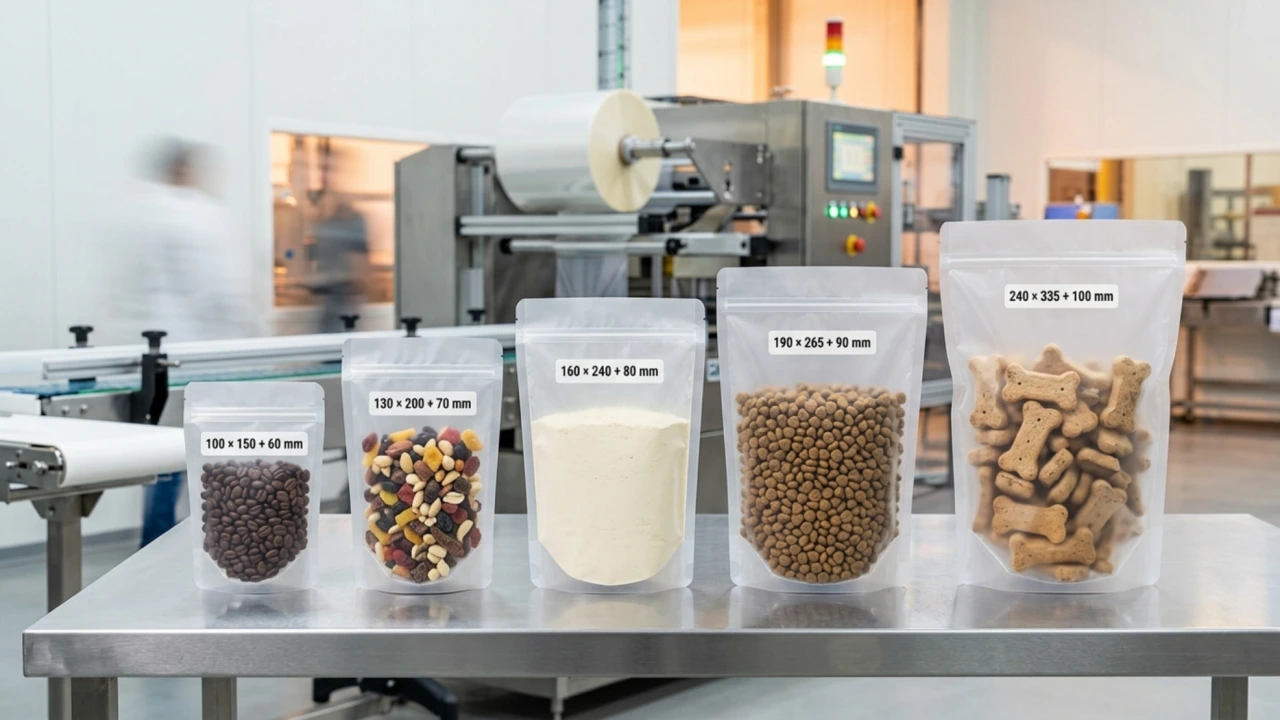
Taille de la pochette
Indiquez ce que vous souhaitez :
- Largeur
- Hauteur
- Gousset inférieur
- Volume de remplissage ou poids du produit
Si les dimensions définitives ne sont pas encore confirmées, veuillez indiquer la capacité de remplissage approximative et le type de produit afin que le fabricant puisse vous recommander une taille adaptée.
Structure des matériaux
Le matériel nécessaire dépend fortement du produit à emballer.
Par exemple :
- Les en-cas secs peuvent nécessiter une protection particulière contre l'humidité et l'oxygène.
- Le café peut nécessiter des barrières efficaces contre les arômes et l'oxygène.
- Les produits liquides exigent une excellente étanchéité et une résistance optimale aux fuites.
- Les détergents peuvent nécessiter une résistance aux produits chimiques.
- Les produits sensibles à la lumière peuvent nécessiter des protections efficaces contre la lumière.
Choisir la bonne structure avant le lancement de la production peut éviter des modifications coûteuses par la suite.
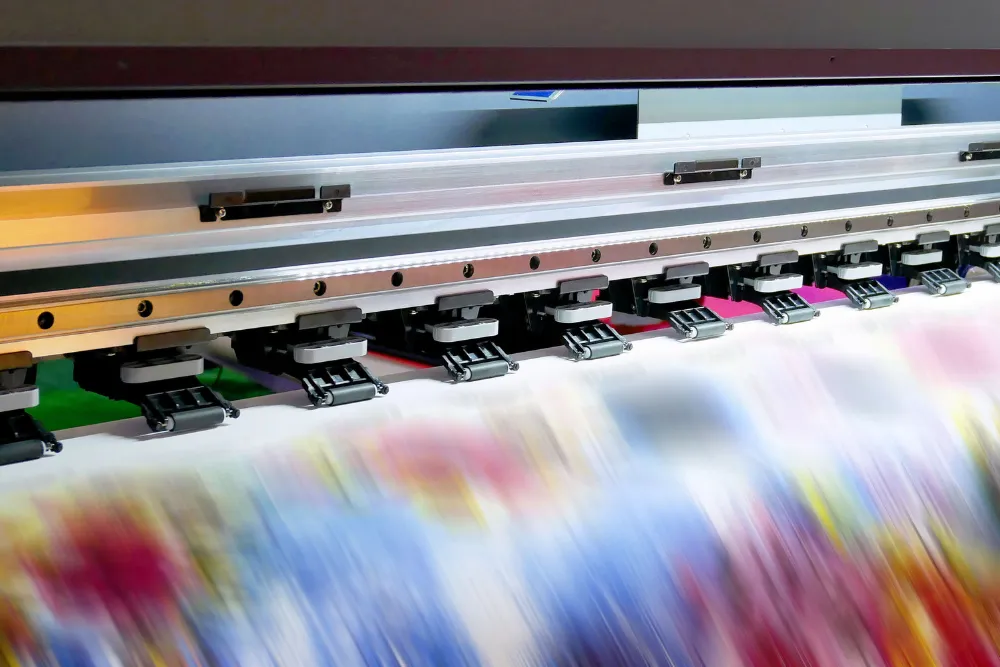
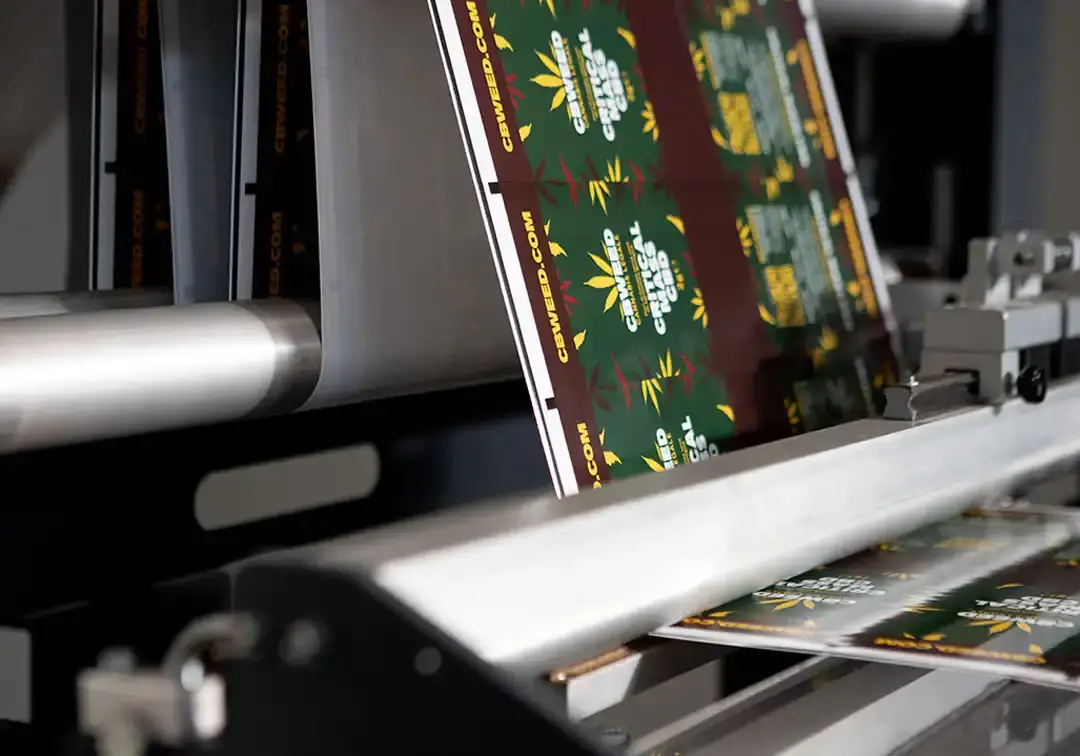
Exigences en matière d'impression
Précisez au fabricant si vous avez besoin :
- Impression recto ou recto-verso
- Nombre de couleurs
- Graphismes haute définition
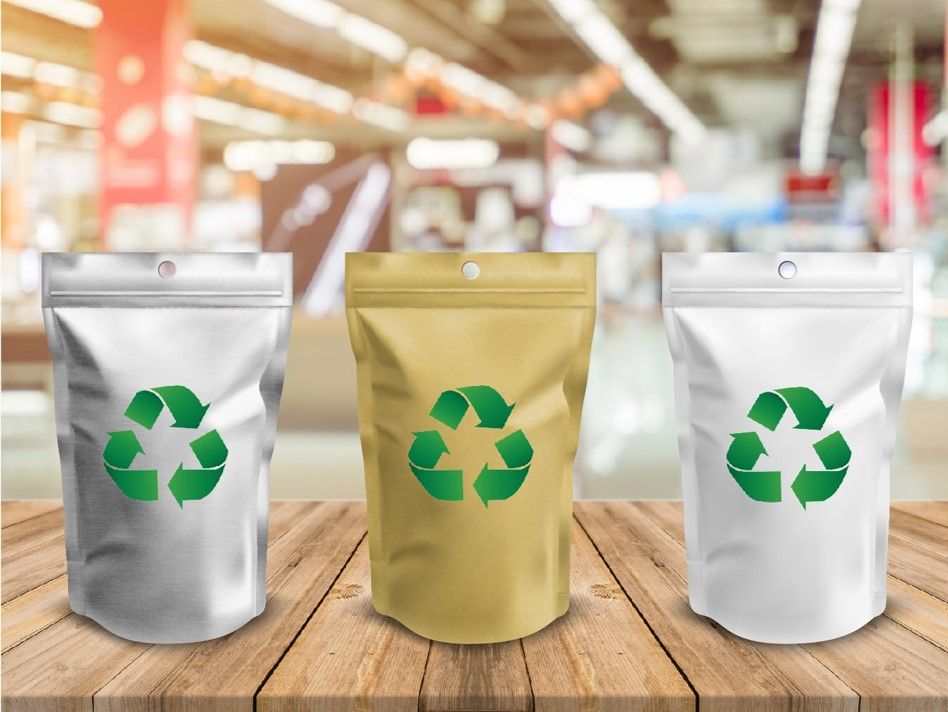
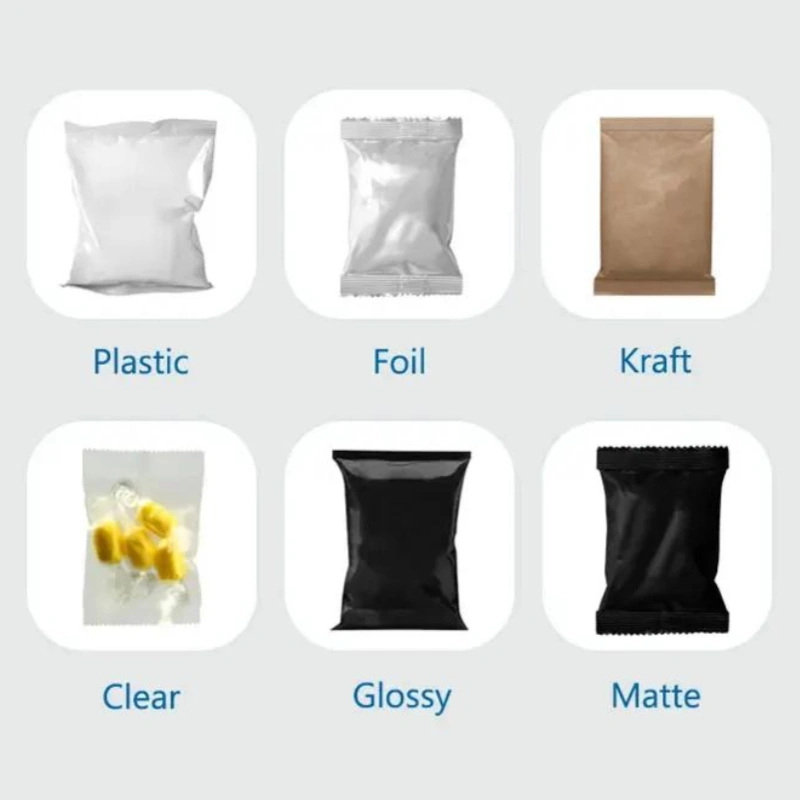
- Finition mate ou brillante
- Effets de surface particuliers
- Aspect métallique
- Fenêtres transparentes
Plus les exigences en matière d'impression sont précises, plus le fabricant est en mesure de calculer avec exactitude les coûts de production.
Caractéristiques fonctionnelles
Précisez clairement si le sachet doit être muni d'une fermeture à glissière, d'un bec verseur, d'une encoche de déchirement, d'un trou de suspension, d'une valve, d'une fenêtre ou de tout autre élément.
Ces exigences doivent être définies avant l'établissement du devis et le lancement de la production, car elles peuvent avoir une incidence tant sur le coût que sur la quantité minimale de commande.
Demande annuelle estimée
Cela revêt une importance particulière pour les acheteurs B2B.
Au lieu de vous contenter de demander “ Quelle est votre quantité minimale de commande ? ”, pensez à dire au fabricant :
“ Nous estimons la demande annuelle à 300 000 pièces, mais nous aimerions commencer par une première commande de 50 000 pièces. ”
Cela permet au fabricant de mieux cerner votre plan d'achat et aux deux parties de discuter d'une stratégie concrète de production et de réapprovisionnement.
Comment les acheteurs doivent-ils évaluer la quantité minimale de commande (MOQ) ?
Un MOQ faible ne signifie pas forcément que l'offre est plus avantageuse.
Par exemple, le fournisseur A peut proposer une quantité minimale de commande (MOQ) de 10 000 pièces à un prix unitaire élevé, tandis que le fournisseur B propose 50 000 pièces à un prix unitaire nettement inférieur.
Si votre produit se vend régulièrement, une commande plus importante peut permettre de réduire le coût total de l'emballage.
Comparez le coût total, et pas seulement la quantité minimale de commande (MOQ)
Lors de l'évaluation des fournisseurs, tenez compte des éléments suivants :
Coût total de l'emballage = Prix unitaire × Quantité commandée + Frais de mise en place/outillage + Frais d'expédition + Autres frais applicables
Vous devriez également tenir compte du coût des stocks lié à l'achat d'emballages en quantité supérieure à vos besoins immédiats.
La meilleure quantité minimale de commande (MOQ) est donc celle qui permet d'atteindre un équilibre entre :
- Coût unitaire
- Exigences en matière de stocks
- Flux de trésorerie
- Efficacité de la production
- Volume de ventes prévu
- Fréquence de réapprovisionnement
Faut-il commander plus que la quantité minimale de commande ?
Pas forcément.
Si vous lancez un nouveau produit et que la demande est incertaine, commander la quantité minimale raisonnable peut permettre de réduire le risque lié aux stocks.
Toutefois, si votre produit affiche déjà des ventes stables, commander une quantité plus importante peut présenter plusieurs avantages.
Avantages des commandes importantes
- Coût moyen d'emballage réduit
- Une meilleure efficacité de production
- Moins de réglages de production à répéter
- Un approvisionnement plus stable en emballages
- Une efficacité potentiellement accrue du transport de marchandises
- Réduction du risque de pénurie d'emballages
Pour les marques bien établies, il est souvent utile de calculer la demande en emballages en se basant sur un Prévisions de ventes sur 3 mois, 6 mois ou une année plutôt que de se contenter de commander la quantité la plus faible possible.
Que se passe-t-il si la quantité demandée est inférieure à la quantité minimale de commande (MOQ) ?
Si le volume prévu est inférieur à la quantité minimale de commande (MOQ) standard fixée par le fabricant, veuillez en discuter avant de passer commande.
Parmi les solutions possibles, on peut citer :
Utiliser une spécification standard ou de série
Les dimensions standard ou les structures existantes peuvent offrir davantage de souplesse qu'un cahier des charges entièrement nouveau et sur mesure.
Simplifier la structure de l'emballage
La suppression des éléments superflus ou la simplification de la structure du matériau peut réduire la complexité de la production.
Pensez à l'impression numérique
Pour certains projets à faible tirage, l'impression numérique peut mériter d'être envisagée, car elle permet de réduire certaines contraintes liées à la mise en place de l'impression traditionnelle.
Toutefois, le choix de la technique d'impression appropriée dépend de votre volume de commande, de votre maquette, de vos exigences en matière de qualité et du coût unitaire visé.
Combinez plusieurs références avec précaution
Si plusieurs références présentent des caractéristiques techniques compatibles, vous pouvez examiner s'il est possible d'en tirer des gains de productivité.
Toutefois, les différences de conception, de dimensions, de matériaux ou de structure peuvent encore nécessiter des modalités de production spécifiques ; il convient donc de vérifier ces points auprès du fabricant plutôt que de partir d'hypothèses.
Questions à poser à votre fabricant de sachets à fond plat
Avant de passer commande, les acheteurs ne devraient pas se contenter de demander : “ Quelle est votre quantité minimale de commande ? ”
Un appel d'offres professionnel doit inclure les éléments suivants :
- Quelle est la quantité minimale de commande (MOQ) pour ma taille de pochette et ma composition de matière ?
- La quantité minimale de commande (MOQ) est-elle calculée par référence (SKU) ou par commande totale ?
- La quantité minimale de commande (MOQ) inclut-elle les frais de mise en place de l'impression ou les frais d'outillage ?
- Quel est le prix unitaire en fonction des différentes quantités commandées ?
- Quelle structure de matériau me recommandez-vous pour mon produit ?
- Pouvez-vous nous fournir un échantillon de pré-production ?
- Quelles sont les caractéristiques et les finitions disponibles pour les pochettes ?
- Quels sont les délais de fabrication et de livraison ?
- Quelles sont les procédures de contrôle qualité mises en œuvre au cours de la production ?
- Pouvez-vous prendre en charge les commandes récurrentes avec les mêmes spécifications ?
Ces questions permettent aux acheteurs de comparer les fournisseurs en tenant compte de l'ensemble du processus d'approvisionnement, et pas uniquement de la quantité minimale de commande.
Liste de contrôle relative à la quantité minimale de commande (MOQ) des sachets à fond plat pour les acheteurs
Avant d'envoyer votre bon de commande, assurez-vous d'avoir vérifié les points suivants :
- Dimensions de la pochette
- Capacité de remplissage
- Structure du matériau
- Type de pochette
- Impression d'illustrations
- Nombre de couleurs d'impression
- Finition de surface
- Fermeture à glissière, bec verseur ou autres accessoires
- Quantité minimale de commande par référence
- Prix unitaire
- Coûts d'outillage ou de mise en place
- Validation d'échantillon
- Délai de production
- Exigences en matière d'emballage et d'expédition
- Normes de qualité
- Conditions de réapprovisionnement
Le fait de disposer de ces informations peut réduire considérablement le nombre de révisions du devis et aider le fabricant à proposer une offre plus précise.
Pourquoi faire appel à un fabricant expérimenté de sachets à fond plat ?
Pour les acheteurs B2B, choisir un fournisseur en se basant uniquement sur la quantité minimale de commande la plus basse peut entraîner des problèmes par la suite.
Un fabricant expérimenté d'emballages souples devrait pouvoir vous aider à évaluer la relation entre structure des sachets, protection du produit, impression, efficacité de production, quantité minimale de commande (MOQ) et coût.
Stanley Package propose une large gamme de solutions d'emballage souples sur mesure, notamment des sachets à fond droit, des sachets à bec verseur, des sachets souples, des sachets à fond plat, des sachets à plat, des sachets à trois côtés soudés, des sachets à quatre côtés soudés, des sachets pour autoclave et des films d'emballage.
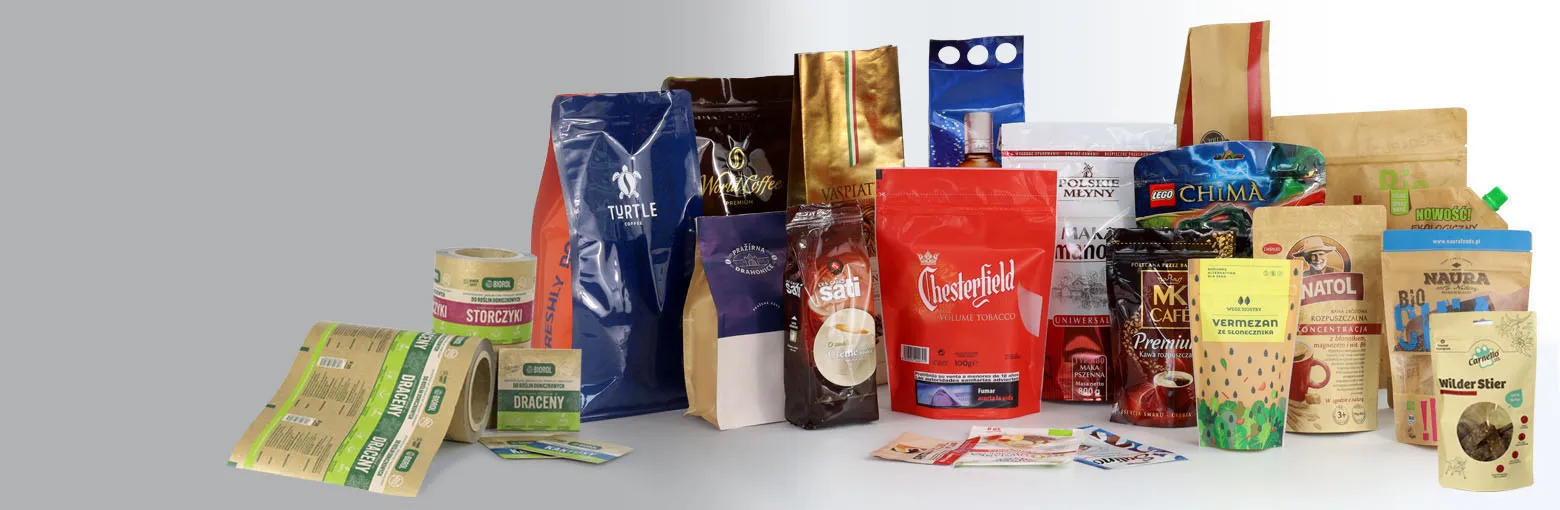
Cette capacité de production élargie permet aux acheteurs de discuter non seulement d'un format de sachet spécifique, mais aussi de la solution d'emballage la mieux adaptée à leur produit et à leurs besoins d'approvisionnement.
Pourquoi choisir le forfait Stanley ?
Fondée en 1998, Paquet Stanley est un Fabricant d'emballages flexibles sur mesure au service de ses clients du monde entier avec des sachets d'emballage sur mesure et des films d'emballage en rouleaux.
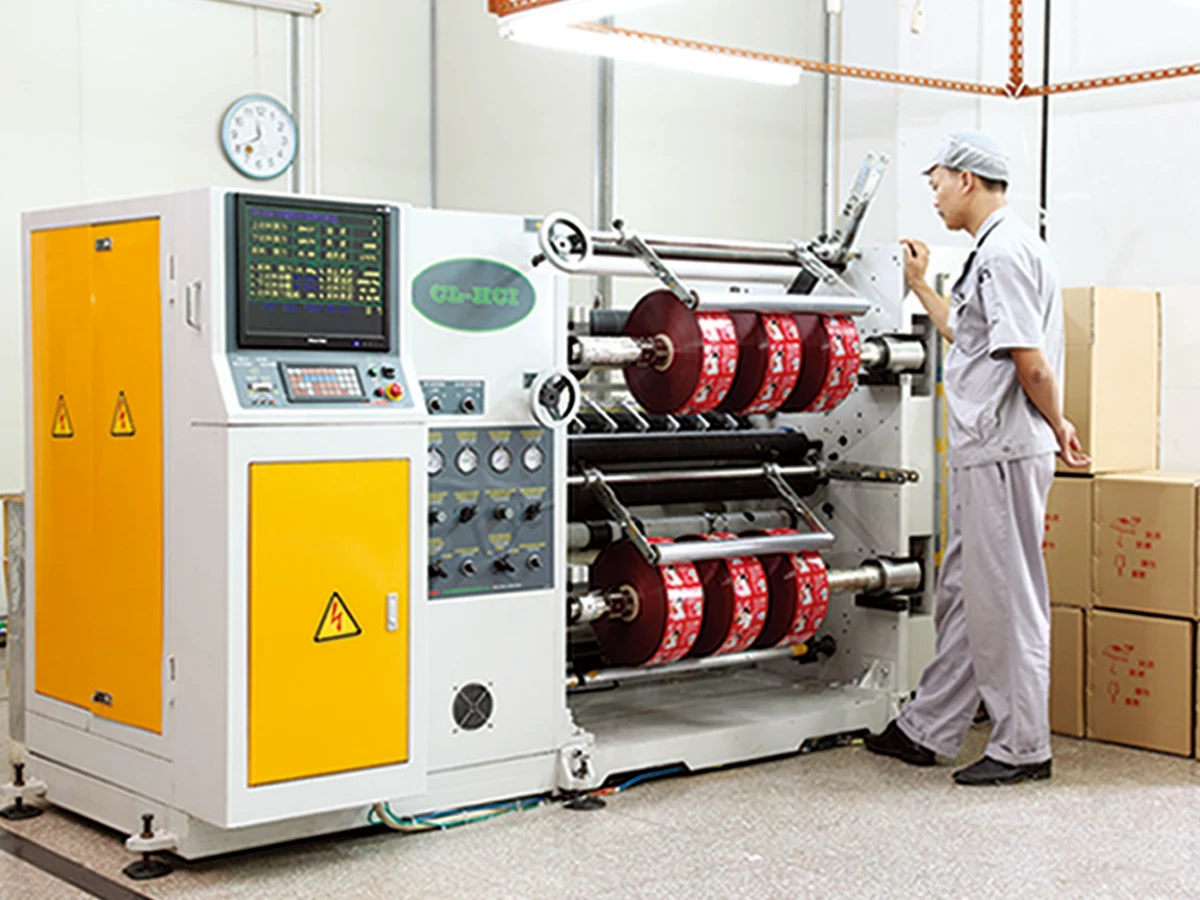
Avec une superficie de production d'environ 15 000 mètres carrés, Stanley Package dispose d'équipements de pointe pour la fabrication d'emballages souples. De la sélection des matériaux et de la conception structurelle à l'impression, au laminage, à la fabrication des sachets et au contrôle qualité, Paquet Stanley offre un accompagnement complet aux marques, aux importateurs, aux distributeurs et aux autres acheteurs d'emballages en B2B.
Prêt à discuter de la quantité minimale de commande (MOQ) pour vos sachets à fond plat ?
La quantité minimale de commande (MOQ) qui vous convient ne dépend pas uniquement du nombre de pièces. Dimensions des sachets, composition des matériaux, impression, caractéristiques fonctionnelles, technologie de fabrication et demande prévue tous ces facteurs influencent la quantité optimale à commander.
Si vous êtes approvisionnement en sachets verticaux sur mesure, veuillez communiquer à Stanley Package la taille de votre sachet, le type de produit, le poids de remplissage, les spécifications relatives au matériau, le visuel d'impression, les caractéristiques fonctionnelles et la quantité estimée de la commande.
Notre équipe peut analyser vos besoins et vous proposer une solution d'emballage adaptée ainsi qu'une quantité minimale de commande (MOQ) pour votre projet.