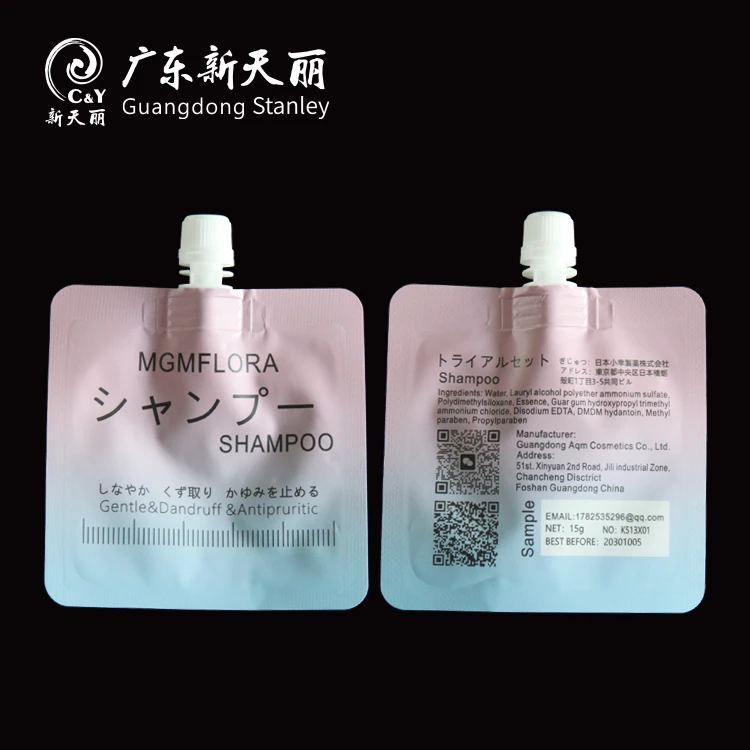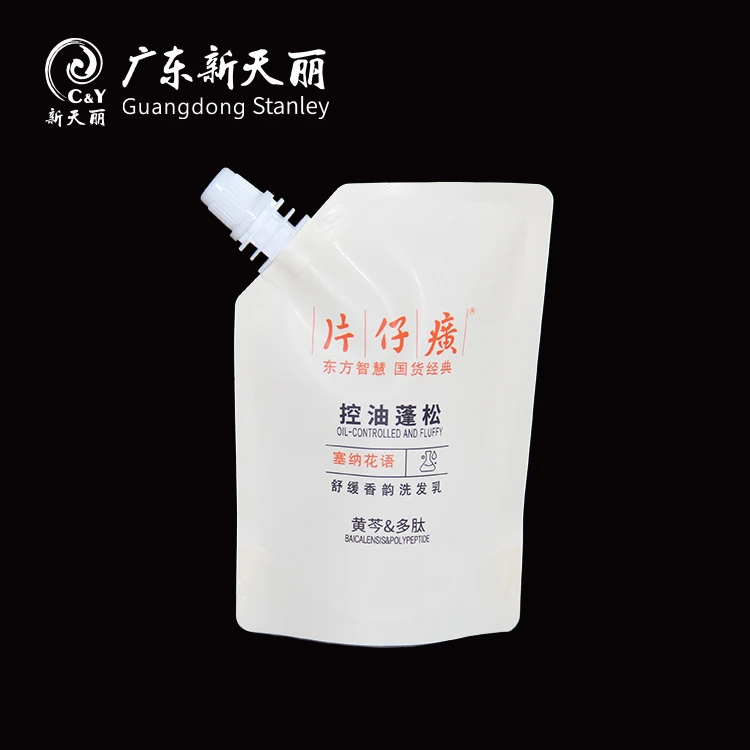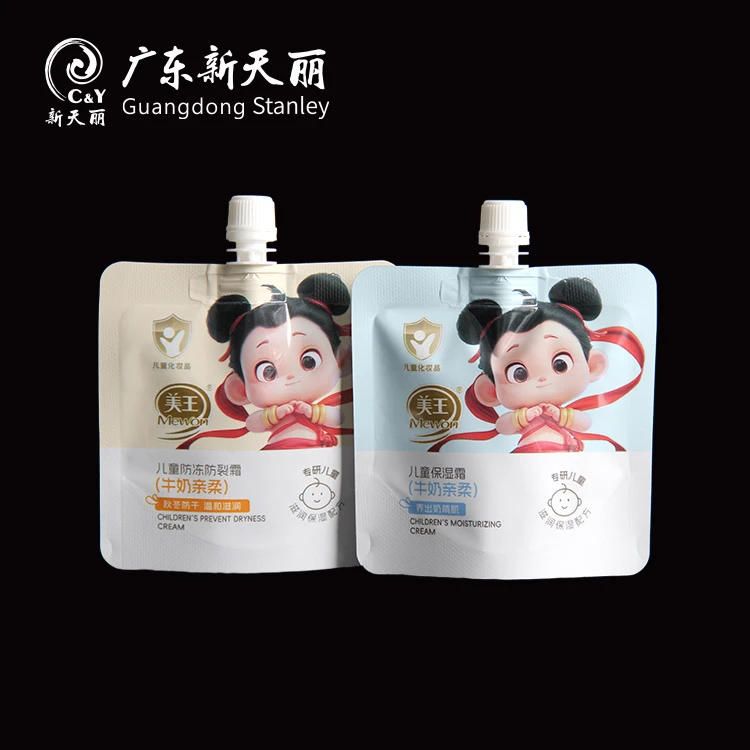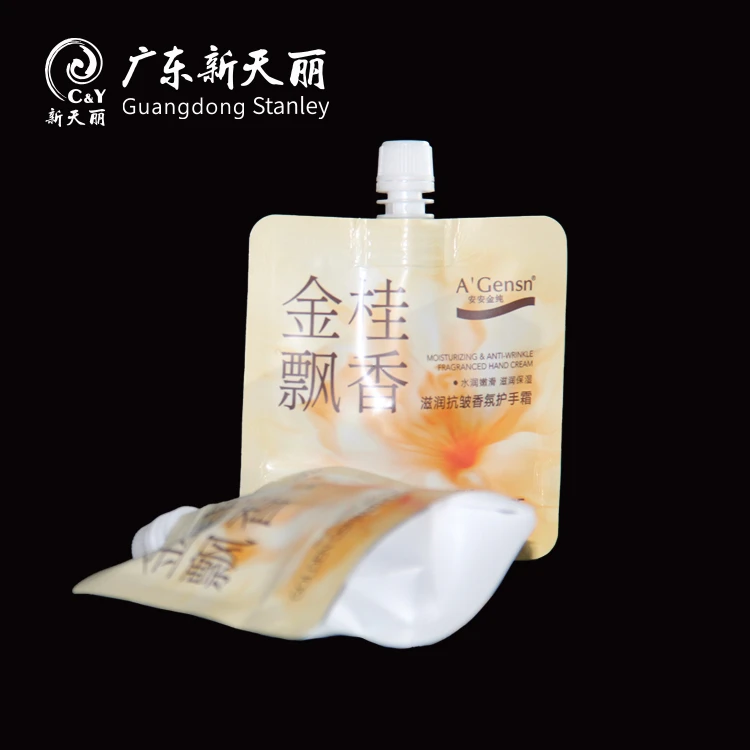
Choosing the right supplement packaging requires more than an attractive design. Brands need to consider product form, moisture and oxygen barriers, light protection, resealability, and material compatibility to maintain product quality and create a consumer reliable experience.
With the development of the global health consumer market, the market demand for vitamins, dietary supplements and functional nutritional products continues to grow. For Supplement Brands and Private Label Businesses, packaging is no longer just the outer container of the product, but an important factor affecting product stability, brand image, shipping efficiency and consumer experience.
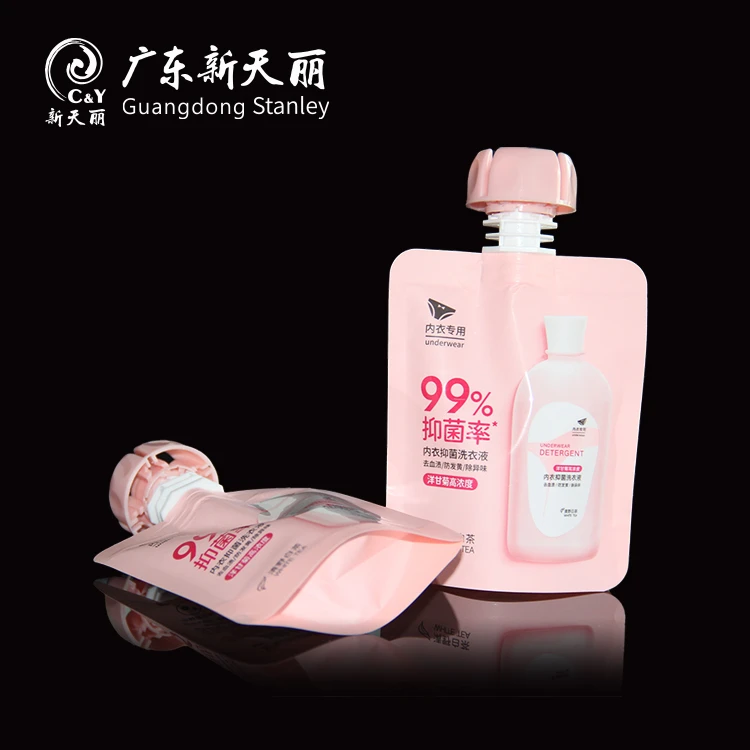
Traditional plastic and glass bottles are still widely used in the supplement industry, but Emballage souple is becoming the choice for more brands. Especially for powders, gummies, capsules and single-dose products, flexible packaging can provide flexible structural design, better space utilization and diverse brand display methods.
So, how do you choose the right packaging for different types of nutritional supplements? This article will provide a practical reference for brands and purchasers on aspects such as product form, material structure, barrier performance, bag design and supplier selection.
1. Why Does Supplement Packaging Matter?
For health product brands, packaging needs to meet multiple needs such as product protection, storage, transportation and market display.
Protecting Nutritional Product Quality
Some active ingredients in vitamins and dietary supplements are susceptible to external environmental influences.
- Moisture: Moisture may cause clumping of powders, softening of tablets, and affect the stability of certain ingredients.
- Oxygen: Oxygen may accelerate the oxidation of some nutrients and affect product quality.
- Light: Light may affect the stability of some photosensitive vitamins and plant extracts.
- Contamination: The sealing properties of the packaging help reduce the risk of external contaminants entering the product.
Therefore, Custom Supplement Pouch Packaging needs to choose the appropriate barrier material and sealing structure based on the actual sensitivity of the product, rather than simply using a thicker film.
Improving Storage and Transportation Efficiency
Compared with traditional rigid packaging, flexible packaging usually has the advantages of being lightweight, taking up less space, and being easy to transport.
For brands that need to sell through e-commerce channels, cross-border logistics and retail channels, properly designed Supplement Pouch Packaging can help optimize outer packaging space and improve warehousing and transportation efficiency.
Building a Recognizable Brand Image
Packaging is also an important entrance for consumers to understand the brand.
By customizing printing, brand colors, surface technology and bag design, brands can establish a unified product visual image and maintain brand recognition across different specifications and series of nutritional products.

2. Choosing the Right Supplement Packaging for Different Products
Different types of dietary supplements have different physical properties and packaging needs. When selecting packaging, priority should be given to product form, usage and storage conditions.
Powder Supplements
Common products include:
- Poudre de protéines
- Collagen Powder
- Creatine Powder
- Electrolyte Powder
- Probiotic Powder
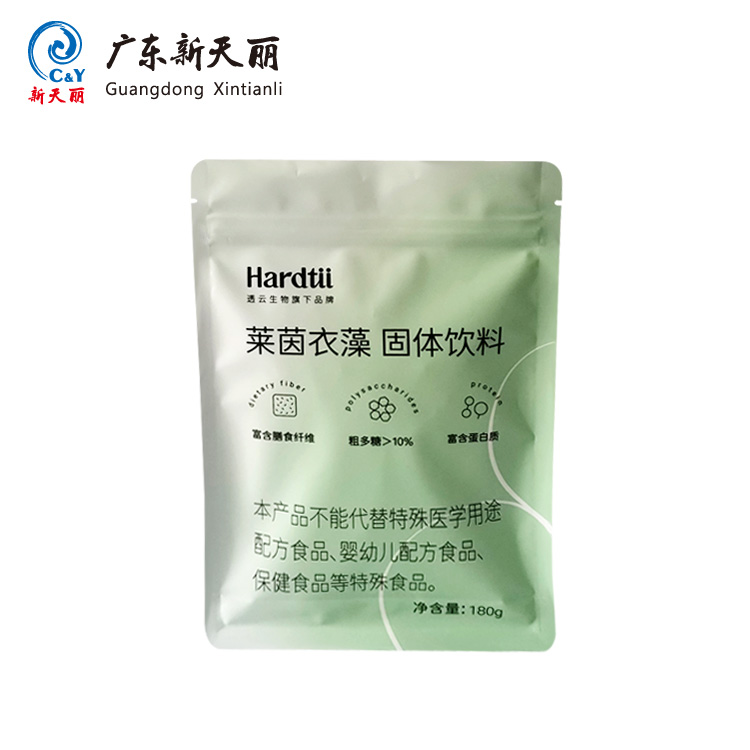
Powder products usually need to focus on moisture resistance, oxygen barrier and sealing properties. Especially for powders that easily absorb moisture, if the barrier properties of the packaging are insufficient, problems such as agglomeration and reduced fluidity may occur.
Recommended to consider:
- High-Barrier Laminated Film
- Sacs à dos
- Resealable Zipper Pouches
- Heat-Sealable Packaging
For large-capacity protein powder and collagen powder, stand-up pouches can provide better shelf display effects. With the zipper design, they can be convenient for consumers to use multiple times.


Capsules and Tablets
Common products include:
- Vitamin C Tablets
- Vitamin D3 Capsules
- Multivitamin Tablets
- Fish Oil Softgels
- Herbal Supplement Capsules
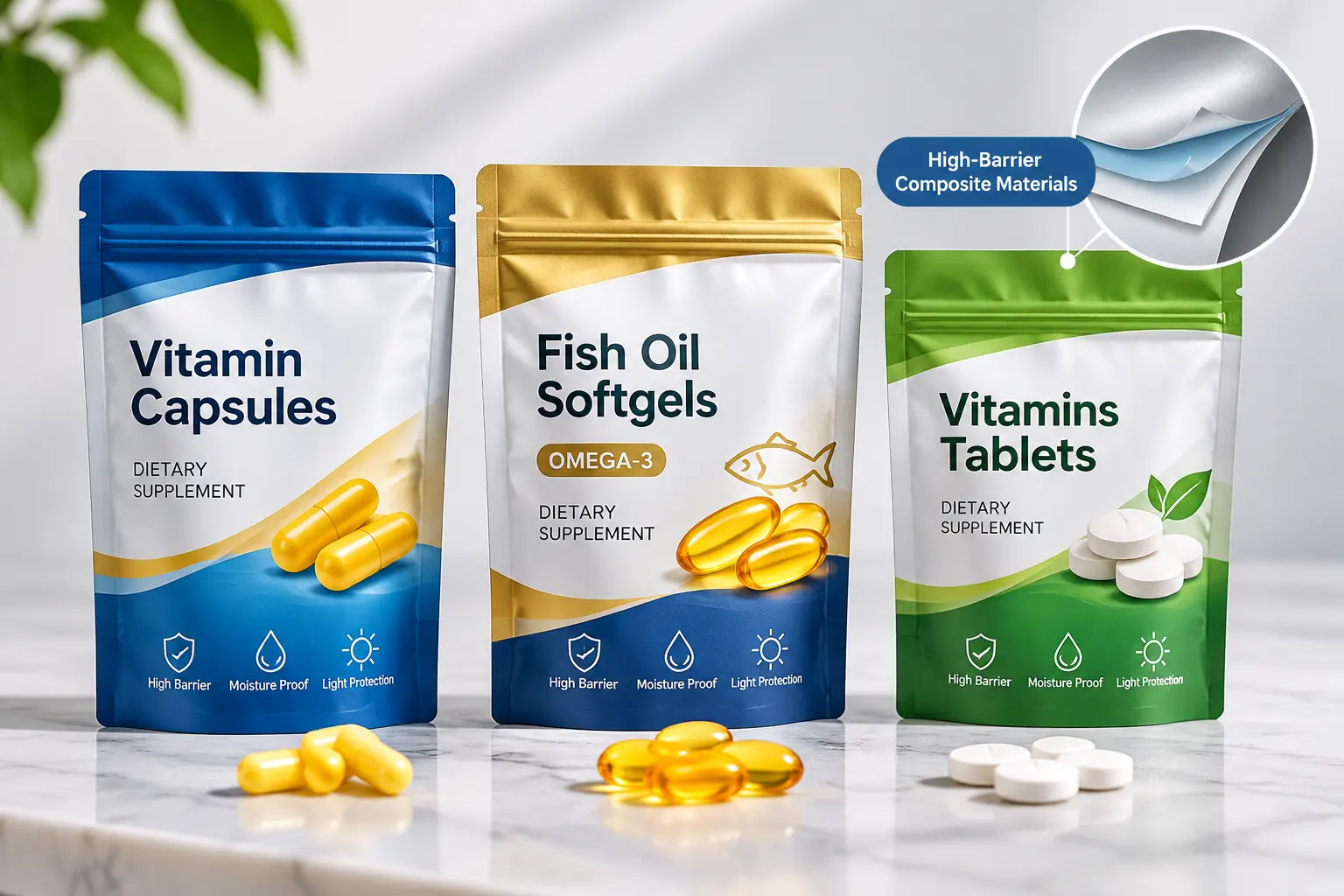
Packaging requirements for capsules and tablets depend on formulation, hygroscopicity and target shelf life.
For products that are susceptible to moisture and light, consider high-barrier composites or packaging structures with light-blocking effects.
In addition, the packaging size should match the quantity of the product to avoid excessive packaging space affecting transportation efficiency. Reasonable space should also be reserved for sealing and necessary protective measures.
Gummies and Chewable Supplements
Common products include:
- Vitamin Gummies
- Melatonin Gummies
- Kids’ Multivitamin Gummies
- Probiotic Gummies
Gummy products often require attention to moisture control, adhesion issues, and storage conditions.
Packaging materials should be evaluated for water vapor barrier properties based on gummy formulation and storage conditions. At the same time, sealing performance is also important to help reduce the entry of external moisture.
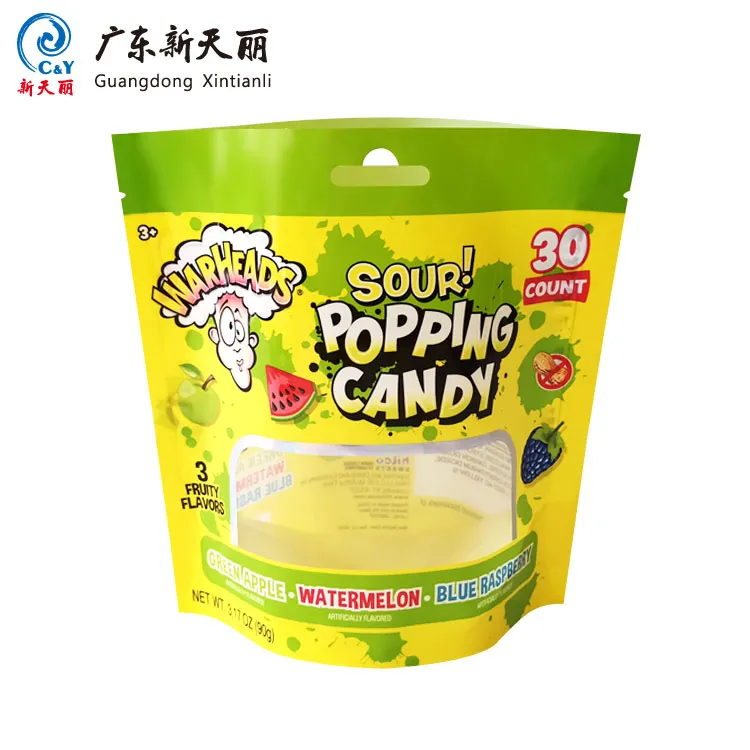
For brands targeting younger consumers and home users, custom printing and distinctive packaging designs can also help enhance product appeal.


Single-Serve Supplement Products
Single-dose packaging is commonly found in:
- Electrolyte Powder
- Vitamin Drink Mix
- Collagen Sachets
- Pre-Workout Supplements
This type of product emphasizes portability and ease of use.
Common packaging forms include three-side sealing bags et back-sealing bags. Independent small packaging is convenient for consumers to carry around, and is also suitable for brands to launch travel packages, trial packages and combination packages.
For brands with high-volume single-dose packaging needs, Film d'emballage en rouleau is also an option worth considering and can be engineered to suit materials and specifications for automated packaging equipment.


3. What Materials Are Used for Supplement Pouch Packaging?
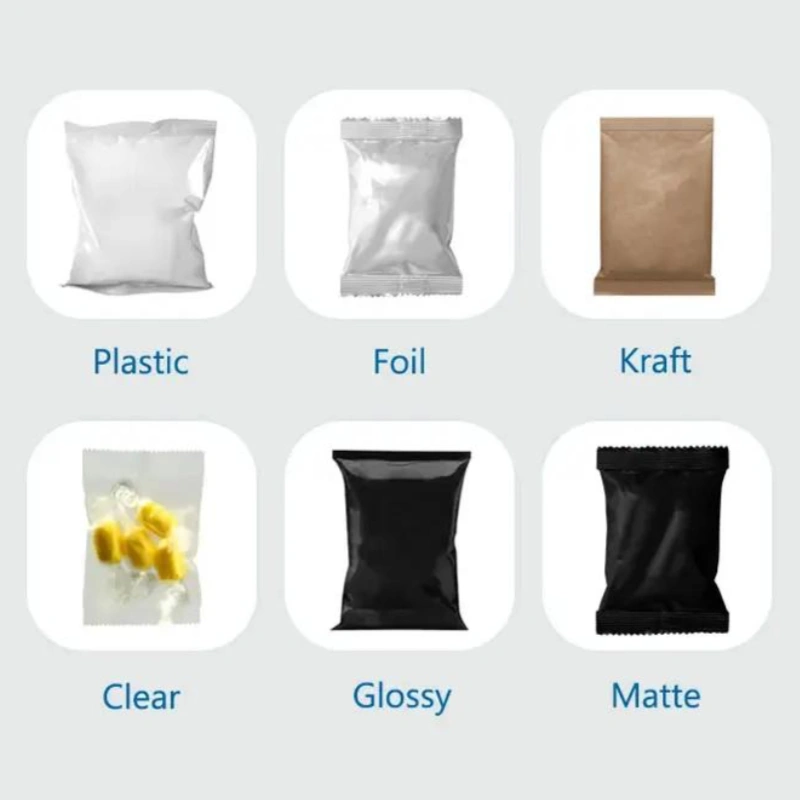
Packaging materials directly affect the barrier properties, mechanical strength, heat sealing effect and overall appearance of the product.
For brand owners, when selecting materials, they should not just focus on cost or thickness, but should evaluate them in combination with product characteristics and target storage cycles.
PET (Polyester Film)
PET is a common outer material in flexible packaging.
Main advantages:
- Has good printing adaptability.
- Has good mechanical strength.
- Helps maintain packaging appearance and structural stability.
- Suitable for a variety of composite packaging structures.
PET is often used as the outer material of composite packaging in combination with other functional films.
PE (Polyethylene Film)
PE is often used as the inner layer of composite packaging, especially suitable for packaging structures that require heat sealing.
Main advantages:
- Has good heat sealing properties.
- Good flexibility.
- Helps create a reliable packaging seal.
- Different types of PE materials can be selected according to packaging needs.
For packaging that needs to be opened and closed repeatedly, the design of the zipper structure and sealing area also needs to be considered comprehensively.
Feuille d'aluminium
Aluminum foil is usually used in composite packaging that requires higher barrier properties.
Main advantages:
- Provides strong water vapor barrier properties.
- Provides strong oxygen barrier properties.
- Can effectively block light.
- Suitable for environmentally sensitive product packaging needs.
However, aluminum foil composites are not required for all supplements. Brands should be selected based on formulation stability, shelf life goals, and cost requirements.
Metallized Film
Aluminized films improve barrier properties through metallization and have material properties different from those of pure aluminum foil.
For brands looking to balance packaging appearance, barrier needs and cost, aluminized composite structures can be evaluated for suitability for specific products.
It should be noted that the barrier performance of aluminized film and aluminum foil is not exactly the same and cannot be directly regarded as equivalent materials.
4. Key Factors When Selecting Custom Supplement Pouch Packaging
In addition to product type and material selection, brands also need to pay attention to the following key factors.
Barrier Performance: Moisture, Oxygen and Light
This is one of the most important technical considerations in Supplement Packaging.
| Protection Requirement | Packaging Consideration |
|---|---|
| Barrière anti-humidité | Reduces the risk of external water vapor entering the packaging |
| Barrière à l'oxygène | Reduce oxygen penetration and reduce the risk of oxidation |
| Light Barrier | Choose light-blocking or opaque structures based on product photosensitivity |
| Intégrité du joint | Ensure reliable sealing performance in the sealing area |
When purchasing, you can ask packaging suppliers to provide WVTR (water vapor transmission rate) and OTR (oxygen transmission rate) data for relevant materials.
It should be noted that the barrier data of the material does not equal the actual protection effect of the final packaging. Bag type, lamination quality, sealing quality and actual storage conditions also affect overall performance.
Resealability and Consumer Convenience
For nutritional supplements that need to be taken multiple times, the zipper design can improve convenience.
Common functional designs include:
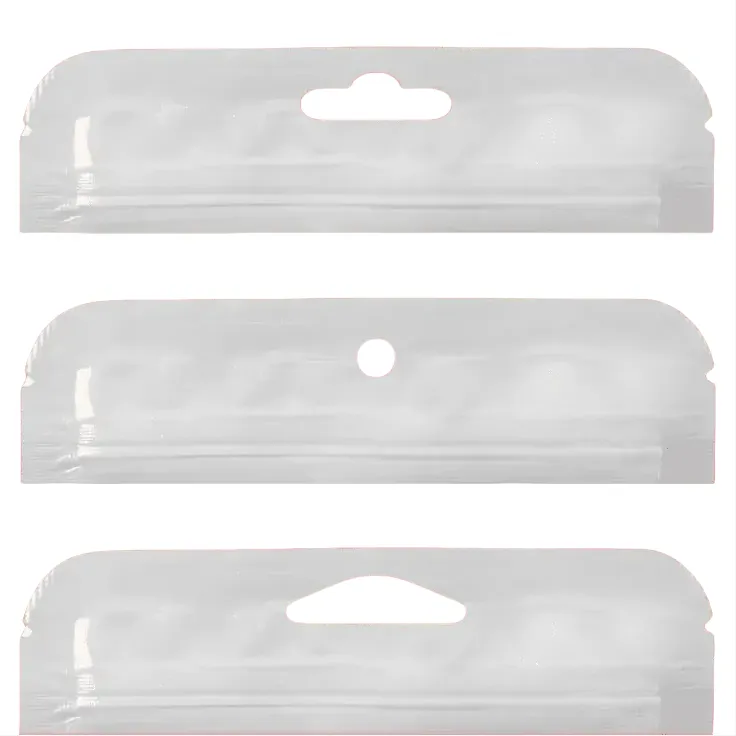
- Resealable Zipper: It is convenient for consumers to open the bag and re-seal it.
- Tear Notch: helps consumers open packaging easily.
- Easy-Open Design: Improves the bag opening experience.
- Hang Hole: Suitable for some retail display scenarios.
It is important to note that zippers do not replace the first heat seal. For products that require higher protection performance, a reliable heat-sealing structure should be retained before opening for the first time.


Packaging Size and Capacity
Packaging size should be determined based on product net content, bulk density, product form and filling method.
For example, protein powder and capsules of the same net weight may have significantly different packaging sizes.
Reasonable size design can not only improve the appearance of packaging, but also help brands reduce unnecessary material consumption and waste of transportation space.

Printing and Brand Presentation
For the highly competitive health care product market, packaging visual design is also an important part of brand differentiation.
Brands can consider:
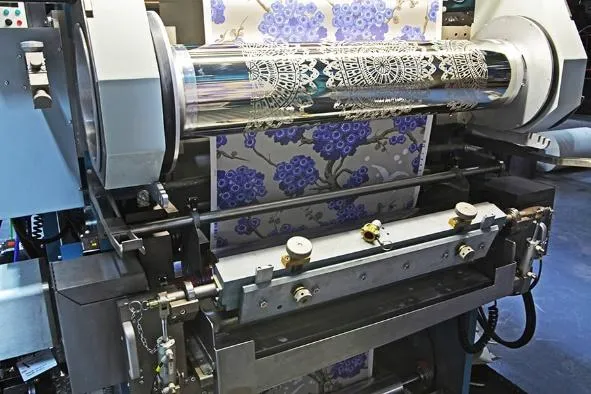
- High-Quality Gravure Printing
- Custom Brand Colors
- Matte or Glossy Finish
- Product Information Display
- Custom Pouch Shapes and Sizes
The brand logo, product name, nutritional information, instructions for use and information areas required by regulations should be reasonably arranged during design to avoid overcrowding in the packaging.
5. Popular Supplement Pouch Packaging Formats
Different bag types are suitable for different product capacities, filling methods and sales channels.
Pochette de rangement
Le stand-up pouch has good shelf display capabilities and is suitable for protein powder, collagen powder and some gummy products.
It can be matched with zippers, easy-tear openings and different surface techniques to meet the design needs of different brands.
Three-Side SSeal Pouch
Le three-side seal pouch features a simple structure, making it ideal for single-dose products, trial samples, and small-format nutritional supplements.
For brands looking to launch a product line with multiple size options, this pouch style offers excellent versatility.
Pochette à fond plat
Flat-bottom pouches feature a stable base structure, allowing them to stand upright effectively on a shelf.
This format is well-suited for mid-to-high-end nutritional supplements that require strong shelf appeal.
Film d'emballage en rouleau
Roll stock film is primarily used in automated packaging lines, where the equipment handles the forming, filling, and sealing processes.
For high-volume production—such as powdered vitamins, nutritional drink mixes, or individually packaged units—roll stock film is the ideal solution for continuous, high-speed packaging.
When selecting roll stock film, key specifications to consider include material structure, film width, roll diameter, thickness, heat-sealing properties, and compatibility with your packaging equipment.

6. What Should Brands Look for in a Supplement Packaging Manufacturer?
When choosing a supplement packaging manufacturer, brands should look beyond just the price quote; it is essential to evaluate the supplier’s material expertise, printing capabilities, and production consistency.
Material and Lamination Capabilities
A professional supplier should offer a variety of composite material options tailored to specific product requirements, with a deep understanding of how different material combinations affect barrier properties and heat-sealing performance.
For supplements with unique storage requirements, the supplier should also be able to collaborate with the client to assess the suitability of specific material structures.
Printing and Customization
A packaging supplier’s printing capabilities directly influence how a brand is presented to the consumer.
For instance, ten-color rotogravure printing allows for a rich, vibrant color palette—an excellent choice for brands that prioritize visual consistency across their packaging.
Production Equipment and Quality Management
Reliable production equipment ensures consistency throughout the printing, lamination, and pouch-forming processes.
Key areas for buyers to investigate include:
- Printing equipment and color control capabilities.
- Production processes, such as dry lamination or solvent-free lamination.
- Heat-sealing and pouch-forming capabilities.
- Quality control protocols for both raw materials and finished products.
- Batch management and production consistency.
Packaging Compatibility and Testing
Before moving to full-scale production, it is crucial to conduct compatibility testing to ensure the packaging works effectively with both the actual product and the filling equipment. Key considerations include:
- Material barrier performance
- Seal strength and integrity
- Pouch dimensions and filling compatibility
- Transportation and storage conditions
- Product compatibility and shelf-life validation
It is important to note that packaging material suppliers cannot guarantee a specific shelf life for a supplement based solely on the material name or structure. The final shelf life must be validated by the brand owner, taking into account the product formulation, packaging format, and actual storage conditions.
7. Why Choose Stanley Package for Custom Supplement Pouch Packaging?
Depuis 1998, Paquet Stanley has specialized in the R&D and production of custom flexible packaging and laminated films, providing a wide range of pouch and roll-stock film solutions to clients worldwide.
As a manufacturer of custom flexible packaging, Stanley offers the following production advantages:
- Advanced Printing Technology: Equipped with high-speed, fully automated 10-color rotogravure presses (with electronic shaft control), we support multi-color custom printing to help brands establish a consistent visual identity.
- Flexible Lamination Processes: We utilize both high-speed dry lamination and solvent-free lamination technologies, allowing us to select the optimal process based on specific packaging requirements.
- Extrusion Coating Technology: Our extrusion coating process eliminates the need for solvents or adhesives, resulting in an eco-friendly, low-odor solution.
- Environmental Management: We employ highly efficient, eco-friendly RTO (Regenerative Thermal Oxidizer) systems to manage VOC emissions, ensuring more environmentally responsible production operations.
- Customized Packaging Solutions: We provide tailored flexible packaging solutions based on your product characteristics, dimensions, material requirements, and brand design.
With a 15,000-square-meter production facility, Stanley Package consistently provides manufacturing support for a diverse range of markets and product categories.
Looking for reliable custom pouch packaging for your supplement brand? Contacter Stanley Package to discuss your product requirements, packaging concepts, and tailored flexible packaging solutions. We look forward to building a successful partnership with you.