Excerpt: Recyclable or biodegradable packaging? Discover the key differences, material considerations, and disposal requirements to choose the right sustainable flexible packaging solution for your brand.
Sustainable packaging is becoming an important consideration for brands looking to reduce their environmental footprint and meet changing market expectations. For businesses purchasing flexible packaging, two options often come up: recyclable packaging and biodegradable packaging.
But which one is better?
The answer depends on your product requirements, target market, packaging performance, and available waste management infrastructure. Understanding how these two options differ can help your brand make a more practical and responsible packaging decision.
What Is Recyclable Packaging?
Recyclable packaging is designed to be collected, processed, and converted into new materials or products after use. Instead of becoming waste immediately, suitable packaging materials can re-enter the production cycle.
How Does Recyclable Flexible Packaging Work?
Traditional flexible packaging often combines multiple materials, such as PET, aluminum foil, and PE. Although these layers provide excellent barrier protection, separating them during recycling can be difficult.
To address this challenge, manufacturers have developed mono-material flexible packaging.
These packages use a single primary material, typically PE or PP, to simplify material recovery and improve compatibility with suitable recycling systems.
Common applications include:
- Stand-up pouches for snacks and dry food.
- Flat pouches for coffee and tea.
- Recyclable packaging films for consumer products.
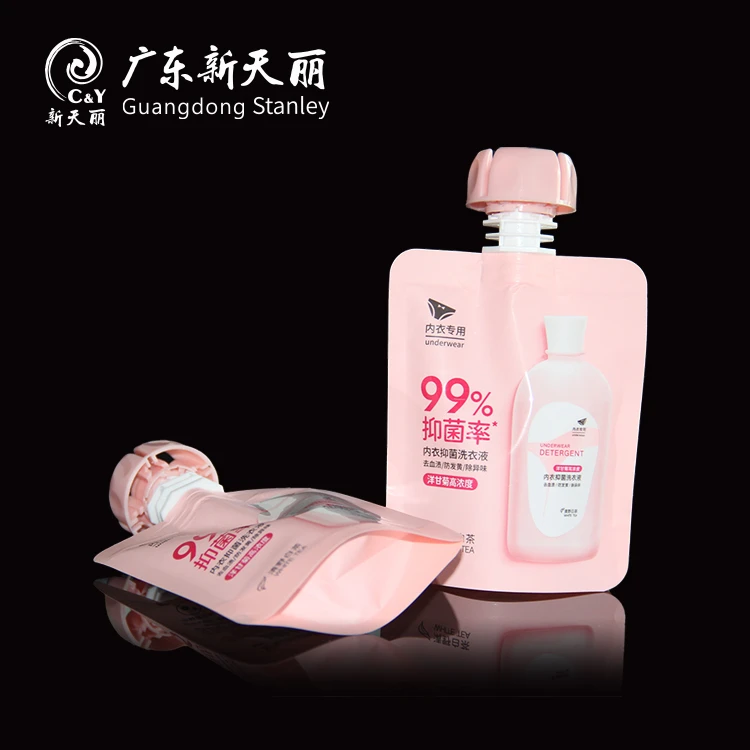
- Flexible pouches for personal care and household products.
Advantages and Limitations
Avantages :
- Supports material recovery and a circular economy.
- Lightweight construction can reduce material consumption and transportation weight.
- Offers familiar packaging formats for existing filling and distribution processes.
- Can help brands meet recyclable packaging targets.
Limites :
- Recycling availability varies between countries and regions.
- Some mono-material structures may offer lower barrier performance than conventional multi-layer packaging.
- Inks, adhesives, closures, labels, and other components can affect the recyclability of the complete package.
Importantly, a mono-material structure does not automatically mean a package is recyclable everywhere. Brands should evaluate the complete packaging structure against the recycling requirements of their target markets.
What Is Biodegradable Packaging?
Biodegradable packaging is made from materials that can break down through biological processes under suitable environmental conditions.
Depending on the material, this process may involve microorganisms, moisture, temperature, and oxygen. However, the time required and the final breakdown products can vary significantly.
Some biodegradable packaging solutions use bio-based materials, while others incorporate biodegradable polymers.
Common Applications of Biodegradable Packaging
Biodegradable packaging is attracting attention from brands seeking alternatives to conventional plastic materials.
Potential applications include:
- Food and fresh produce packaging.
- Disposable packaging for selected consumer products.
- Retail packaging for environmentally conscious brands.
- Flexible packaging applications where suitable biodegradable materials meet product requirements.
Advantages and Limitations
Avantages :
- Certain materials can break down under specified biological conditions.
- Provides an alternative for brands exploring different end-of-life packaging solutions.
- Can support sustainability initiatives when appropriate disposal systems are available.
Limites :
- Decomposition depends on material composition and environmental conditions.
- Some materials require industrial composting facilities rather than ordinary disposal environments.
- Barrier performance, sealing properties, durability, and shelf-life protection must be evaluated for each application.
- Biodegradable claims without clear testing standards or disposal instructions can mislead consumers.
One important distinction is that biodegradable and compostable are not interchangeable terms. Compostable packaging must meet specific requirements for breakdown under defined composting conditions. Industrially compostable materials, for example, may not break down effectively in home composting environments.
Brands should therefore look for relevant test reports and certifications before making environmental claims.
Recyclable vs. Biodegradable Packaging: Key Differences
Both options offer potential environmental benefits, but they support different waste management approaches.
| Comparison | Recyclable Packaging | Biodegradable Packaging |
|---|---|---|
| Main purpose | Recover and reuse materials | Break down through biological processes |
| End-of-life pathway | Suitable recycling systems | Suitable biological treatment conditions |
| Material options | PE, PP and other recyclable materials | Selected biodegradable polymers and bio-based materials |
| Key requirement | Collection, sorting and recycling infrastructure | Appropriate decomposition conditions |
| Main consideration | Complete package recyclability | Breakdown conditions and verified claims |
| Best suited for | Brands targeting material recovery | Brands with suitable biological waste treatment options |
Neither option is automatically more sustainable. Recyclable packaging may be more practical where collection and recycling infrastructure is established. Biodegradable packaging may be appropriate for specific applications where the required disposal conditions are accessible.
The right choice should be based on the entire packaging lifecycle rather than a single environmental label.
How to Choose the Right Sustainable Packaging for Your Brand
For B2B buyers, choosing sustainable packaging involves more than selecting an environmentally friendly material. The packaging must also protect the product, support production efficiency, and meet customer expectations.
Consider these three factors before making a decision.
1. Evaluate Your Product Protection Requirements
Food, beverages, cosmetics, and household products have different packaging requirements.
For example, coffee and snack products may need effective moisture and oxygen barriers to maintain freshness. Liquid products require reliable sealing and leak resistance.
If switching to recyclable or biodegradable materials compromises product protection, the resulting product waste may undermine the intended environmental benefits.
2. Consider Your Target Market
Recycling and composting infrastructure varies significantly across markets.
A packaging solution that is accepted in one country may not be collected or processed in another. Before selecting materials, understand local disposal systems and the environmental claims permitted in your target market.
3. Work with an Experienced Sustainable Packaging Manufacturer
A qualified Sustainable Packaging Manufacturer can help evaluate material structures, packaging performance, and manufacturing feasibility.
Instead of focusing only on whether a material is recyclable or biodegradable, discuss how the complete pouch or roll stock film will perform during printing, lamination, filling, transportation, and storage.
Sample testing is also important before moving into bulk production.
Work with Stanley Package on Sustainable Flexible Packaging
Fondée en 1998, Paquet Stanley est un professionnel Fabricant d'emballages flexibles sur mesure supplying customized packaging pouches and roll stock packaging film to customers worldwide.
Operating a 15,000-square-meter production facility, Stanley is equipped with 10-color electronic-shaft gravure printing machines, high-speed dry and solvent-free lamination machines, and extrusion coating and laminating equipment.
Our extrusion coating process eliminates the need for solvents and adhesives, helping reduce production-related emissions and odors. We also use an advanced RTO system to treat VOC emissions and support cleaner manufacturing operations.
From mono-material recyclable packaging to biodegradable flexible packaging and low-plastic paper pouches, Stanley helps brands explore packaging solutions that balance product protection, functionality, and sustainability goals.
Looking for the right sustainable packaging for your products? Contact Stanley Package to discuss your material requirements and customized pouch or roll stock film solutions. Let’s develop packaging that works for your products and your market.