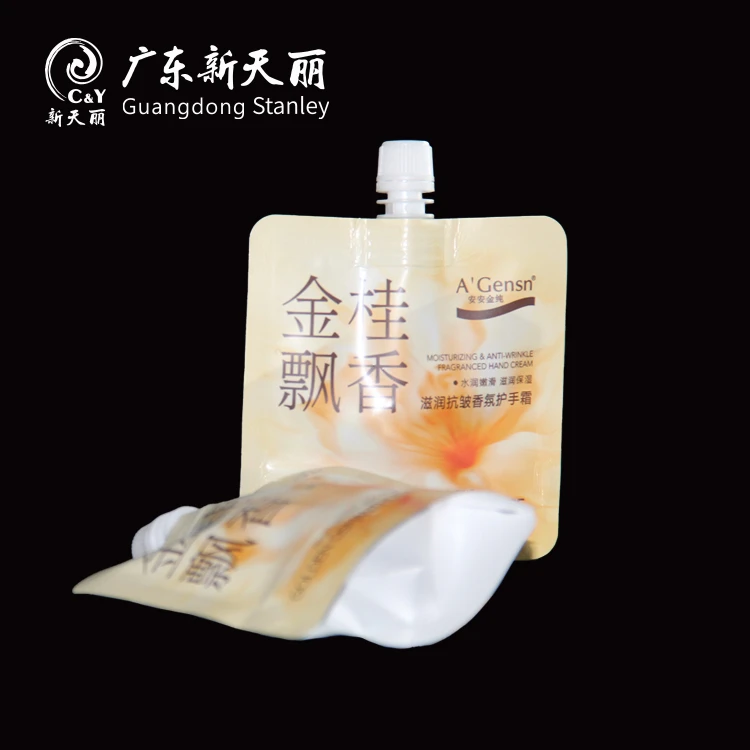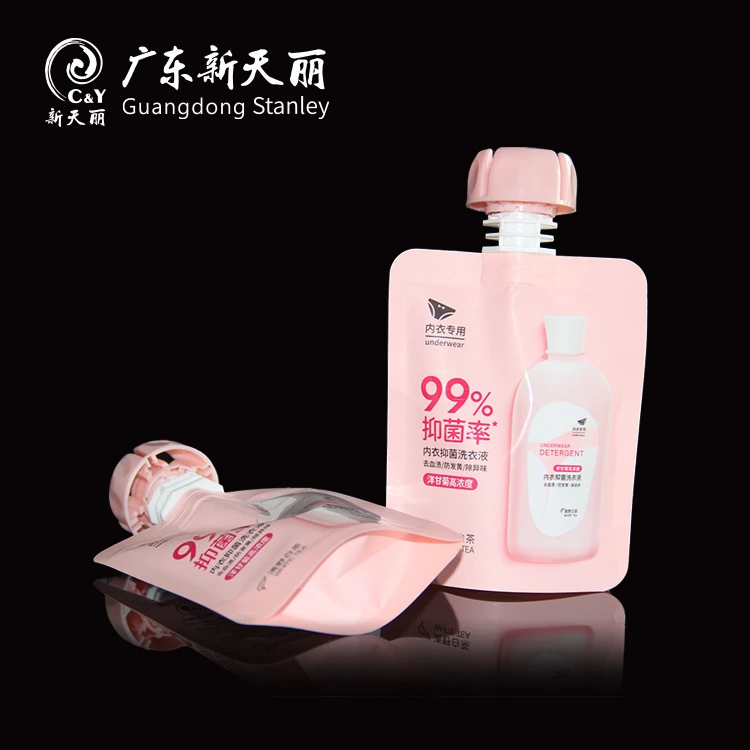
مع تشديد اللوائح العالمية المتعلقة بالتغليف وتحوّل العلامات التجارية نحو أهداف الاقتصاد الدائري،, التغليف المصنوع من مادة واحدة أصبحت واحدة من أهم الابتكارات في صناعة التغليف المرن.
على عكس الألواح المركبة التقليدية متعددة الطبقات، صُممت الهياكل أحادية المادة لتُصنع من عائلة بوليمر واحدة, ، مما يجعل إعادة تدويرها أسهل بكثير ضمن مسارات النفايات الحالية.
يشرح هذا الدليل كل ما تحتاج إلى معرفته عن العبوات المصنوعة من مادة واحدة — بدءًا من هيكلها ومنطق إعادة تدويرها وصولاً إلى تطبيقاتها الصناعية واعتبارات التصميم.
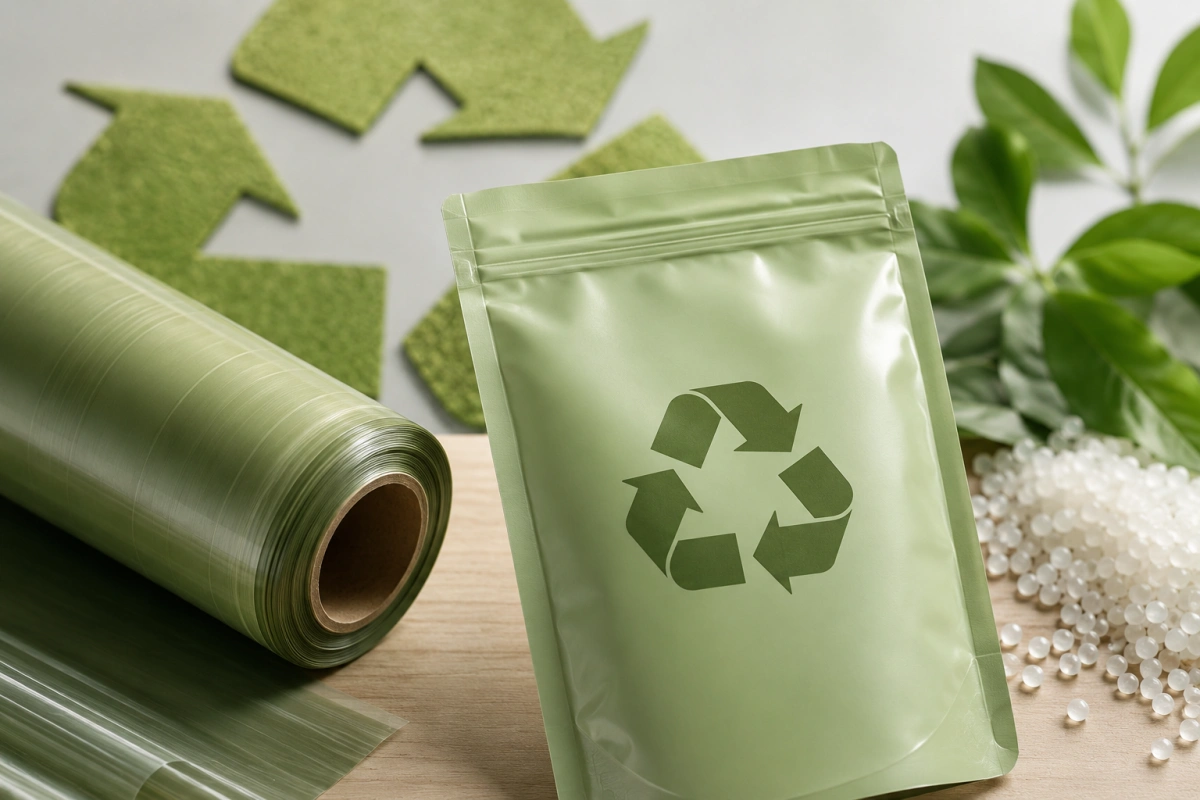
1. ما هي العبوات المصنوعة من مادة واحدة؟
التغليف المصنوع من مادة واحدة يشير إلى هياكل التغليف المرنة المصنوعة أساسًا من نوع واحد من البوليمرات، وأكثرها شيوعًا:
- PE (الهياكل المصنوعة من البولي إيثيلين)
- PP (الهياكل المصنوعة من البولي بروبيلين)
بدلاً من الجمع بين عدة مواد غير متوافقة (مثل PET + ALU + PE)، تهدف التصاميم أحادية المادة إلى الحفاظ على تجانس المادة عبر جميع الطبقات.
تشمل الهياكل النموذجية ما يلي:
- أكياس مصنوعة بالكامل من البولي إيثيلين (PE/PE/PE)
- أغشية التغليف المصنوعة بالكامل من البولي بروبيلين (الرقائق المركبة القائمة على البولي بروبيلين)
- هياكل مصنوعة من مادة البولي إيثيلين (PE) أحادية المادة ذات الحاجز العالي
2. لماذا يصعب إعادة تدوير العبوات التقليدية متعددة الطبقات
غالبًا ما تتكون العبوات المرنة التقليدية من طبقات وظيفية متعددة:
- PET من أجل قابلية الطباعة
- ورق الألمنيوم كطبقة عازلة
- النايلون لمقاومة الثقب
- البولي إيثيلين (PE) المستخدم في الإحكام
ورغم أن هذا الهيكل يعمل بشكل جيد من الناحية التقنية، إلا أنه يطرح تحديات كبيرة في مجال إعادة التدوير:
2.1 خلط المواد غير المتوافقة
لا يمكن فصل البوليمرات المختلفة بشكل فعال أثناء عملية إعادة التدوير.
2.2 حواجز التصفيح اللاصقة
تمنع طبقات الترابط القوية حدوث الانفصال الميكانيكي.
2.3 المنتجات المعاد تدويرها ذات القيمة المنخفضة
تؤدي البوليمرات المختلطة إلى إنتاج حبيبات معاد تدويرها ذات جودة أقل وتطبيقات محدودة.
2.4 تلوث تدفق النفايات
تؤدي الأغشية متعددة الطبقات إلى تعطيل أنظمة إعادة تدوير البولي إيثيلين (PE) والبولي بروبيلين (PP) القياسية.
3. لماذا يُعد التغليف المصنوع من مادة واحدة أسهل في إعادة التدوير
الميزة الأساسية للتغليف المصنوع من مادة واحدة بسيطة:
وهو يوائم تصميم العبوات مع الطريقة التي تعمل بها أنظمة إعادة التدوير في الواقع.
3.1 توافق تيار النفايات أحادي البوليمر
يمكن أن تدخل العبوات المصنوعة من مادة واحدة مباشرةً إلى:
- مسار إعادة تدوير البولي إيثيلين
- مسار إعادة تدوير البولي بروبيلين
لا حاجة إلى الفصل.
3.2 كفاءة إعادة تدوير أعلى
لأن المواد متسقة:
- معدل الاستفادة من إعادة التدوير أعلى
- يتم تقليل تعقيد عملية الفرز
- انخفاض استهلاك الطاقة في عمليات التصنيع
3.3 راتنج معاد تدويره ذو جودة أعلى
يؤدي الإنتاج من مادة واحدة إلى:
- خصائص بوليمرية أكثر استقرارًا
- إمكانية إعادة استخدام أعلى
- القدرة على العودة إلى دورات إنتاج التغليف
3.4 انخفاض تكلفة النظام بالنسبة لشركات إعادة التدوير
تستفيد منشآت إعادة التدوير من:
- الفرز المبسط
- تقليل مخاطر التلوث
- دورات معالجة أسرع
3.5 الامتثال للوائح التنظيمية العالمية
تساعد العبوات المصنوعة من مادة واحدة على الامتثال لما يلي:
- لائحة الاتحاد الأوروبي بشأن التغليف ونفايات التغليف (PPWR)
- أنظمة المسؤولية الموسعة للمنتج (EPR)
- إرشادات التصميم المراعية لإمكانية إعادة التدوير في الولايات المتحدة والاتحاد الأوروبي
4. التحدي التقني: هل يمكن للمواد أحادية المكون أن تضاهي الأداء؟
هناك اعتقاد خاطئ شائع مفاده أن العبوات المصنوعة من مادة واحدة تؤثر سلبًا على الأداء.
وقد نجحت هندسة التغليف المرن الحديثة في حل هذه المشكلة إلى حد كبير.
4.1 تقنية المواد الأحادية ذات الحاجز العالي
تشمل الحلول المتقدمة ما يلي:
- طبقات الحاجز المصنوعة من مادة EVOH (دمج بنسبة منخفضة)
- أغشية حاجزة مصنوعة بتقنية البثق المشترك
- طلاءات تعزيز الحاجز ضد الأكسجين والرطوبة
4.2 التحسين الهيكلي
تساهم الهياكل المصممة هندسيًّا المصنوعة من الأغشية في تحسين:
- مقاومة الثقب
- قوة الختم
- المرونة في خطوط التعبئة الآلية
4.3 استبدال الهياكل المصنوعة من رقائق الألومنيوم
يمكن للأغشية عالية الحاجز المصنوعة من البولي إيثيلين (PE) أو البولي بروبيلين (PP) أن تحل محل:
- الرقائق المركبة من PET/AL/PE
- الهياكل الحاجزة المصنوعة من النايلون
5. الاعتبارات التصميمية الرئيسية للتغليف المصنوع من مادة واحدة
لتحقيق كل من قابلية إعادة التدوير والأداء، يجب تحسين تصميم العبوة بعناية:
5.1 استراتيجية تقليل الطبقات
كلما قل عدد الطبقات غير المتوافقة = ارتفعت درجة قابلية إعادة التدوير
5.2 اختيار الحبر والطلاء
يجب أن تكون أنظمة الطباعة متوافقة مع عمليات إعادة التدوير
5.3 تقليل استخدام المواد اللاصقة
يفضل استخدام مواد لاصقة ذات تأثير منخفض أو عملية تصفيح خالية من المذيبات
5.4 توافق الأختام
ضمان إحكام الإغلاق باستخدام مادة واحدة دون المساس بفترة الصلاحية
5.5 التوازن بين الحاجز والأداء
تصميم يعتمد على نوع المنتج (الأغذية الجافة مقابل المنتجات عالية الرطوبة)
6. تطبيقات التغليف المرن المصنوع من مادة واحدة
يتزايد استخدام الحلول القائمة على مادة واحدة في مختلف القطاعات:
- تغليف الأطعمة الخفيفة
- تغليف القهوة والشاي
- أكياس الأطعمة المجمدة
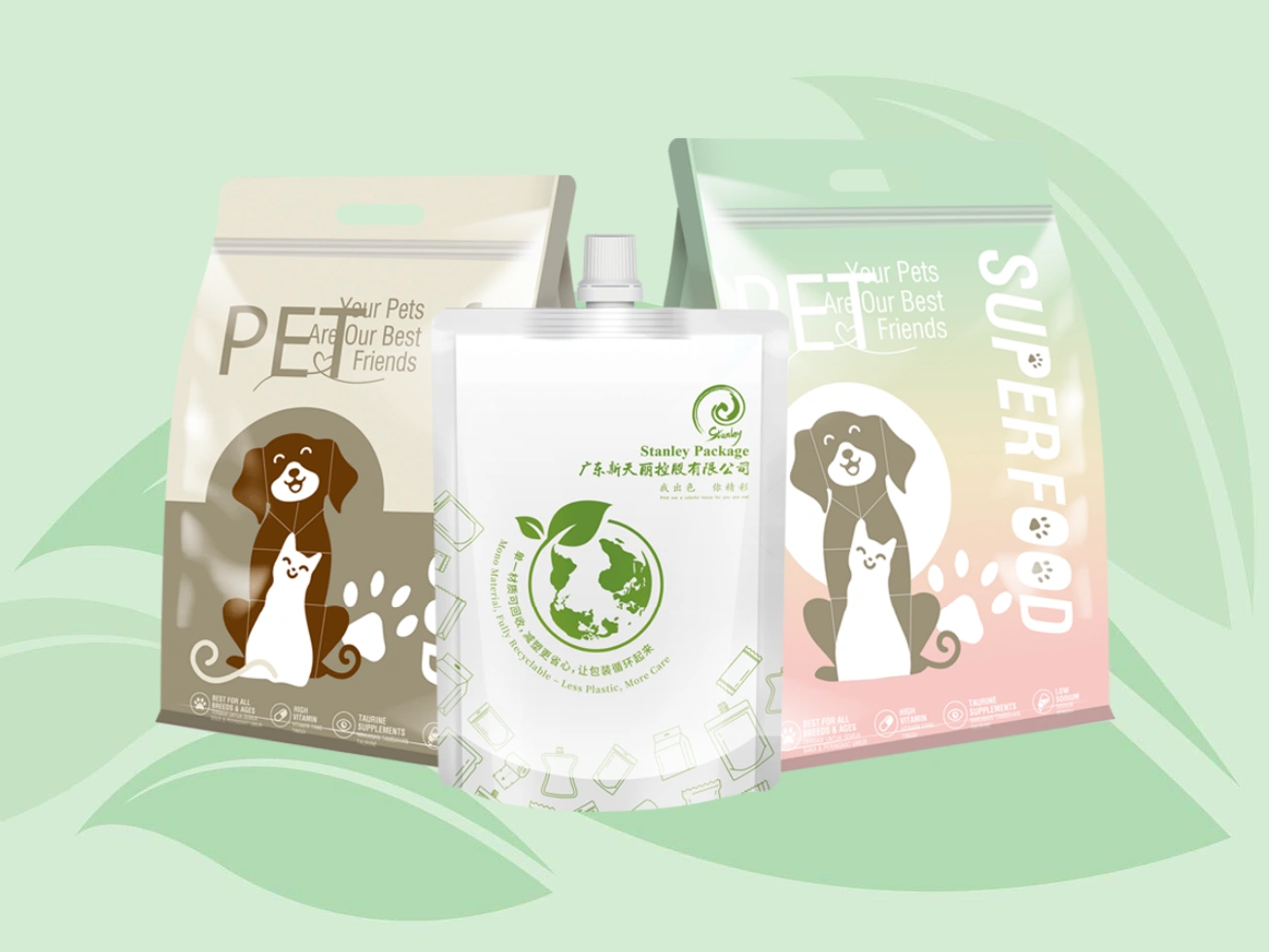
- تغليف أغذية الحيوانات الأليفة
- المنتجات المنزلية ومنتجات التنظيف
- أغلفة الشحن الخاصة بالتجارة الإلكترونية
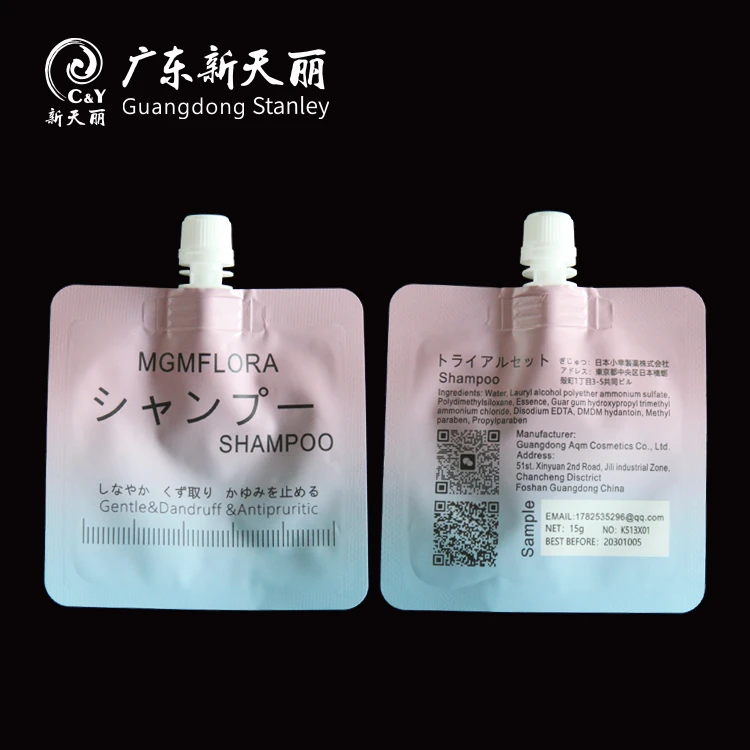
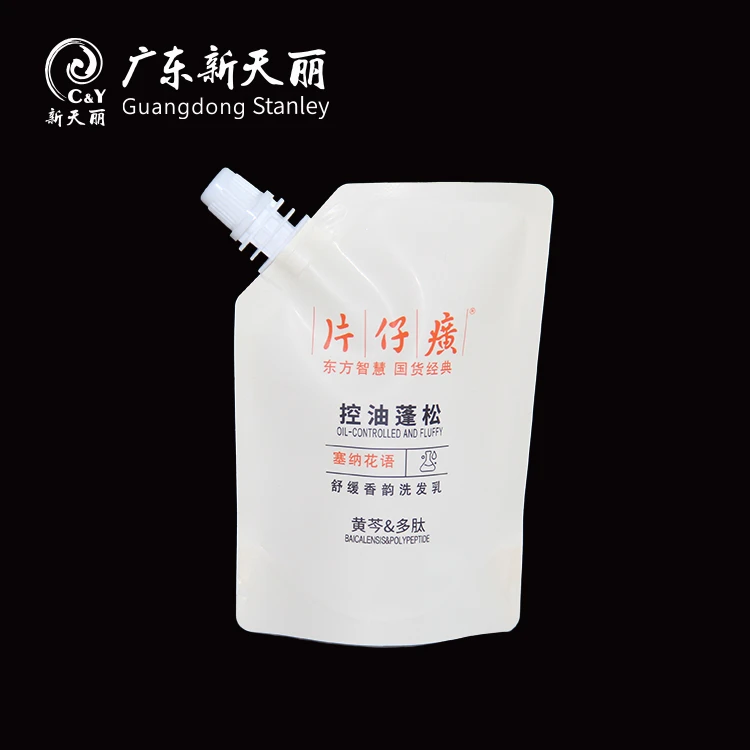
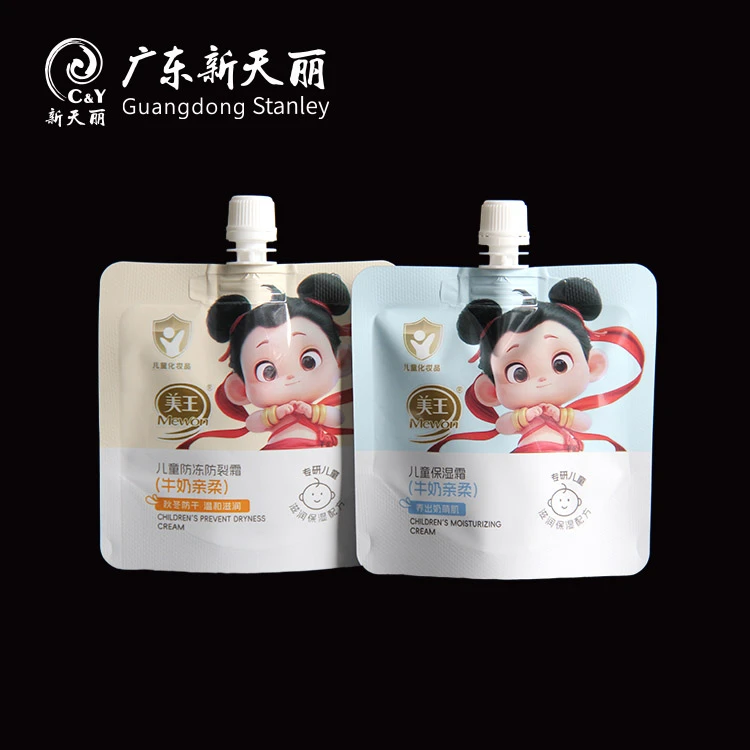
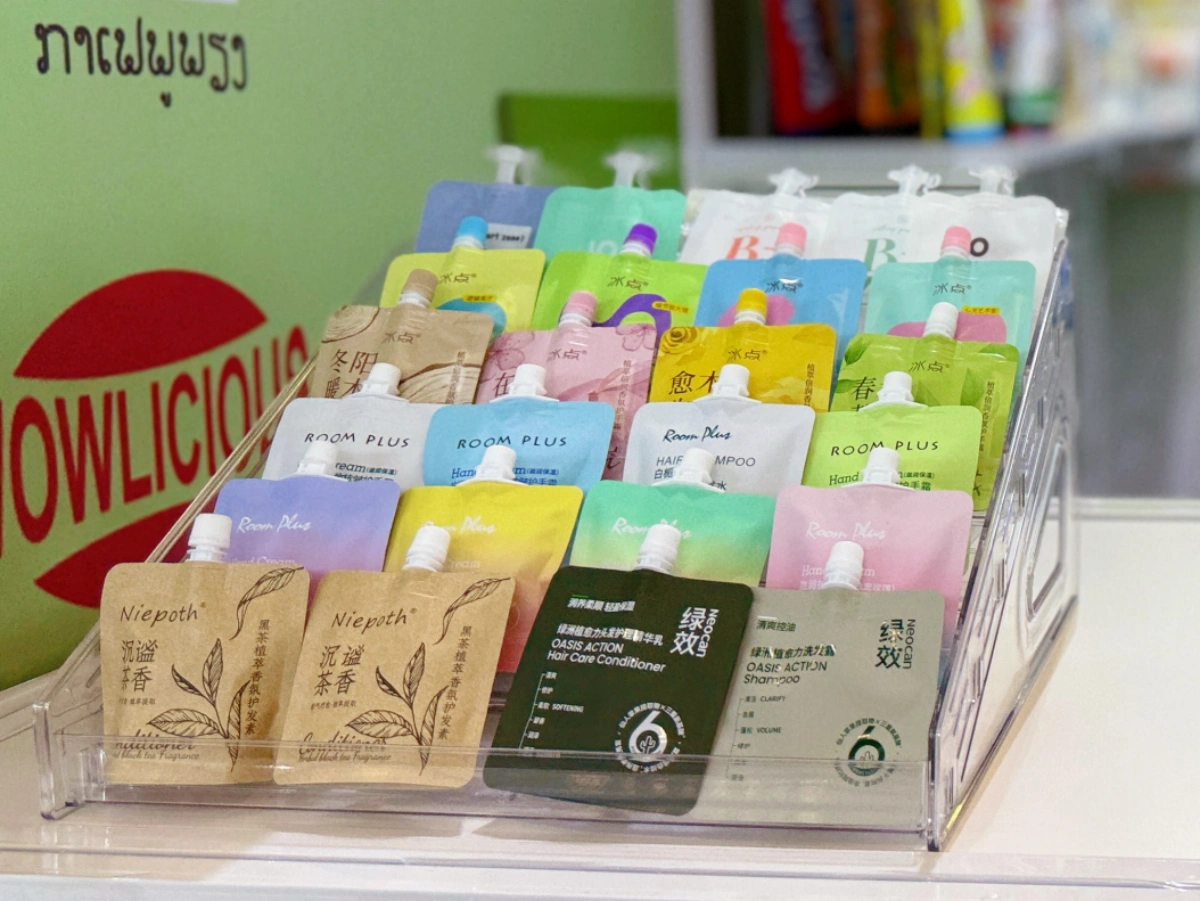
- أكياس منتجات العناية الشخصية ومستحضرات التجميل
7. اتجاهات السوق: لماذا أصبحت المواد أحادية المكون معيارًا عالميًا
هناك ثلاث عوامل رئيسية تدفع الاتجاه نحو استخدام العبوات المصنوعة من مادة واحدة:
7.1 الضغوط التنظيمية
تقوم الحكومات بتطبيق سياسات «إعادة التدوير من خلال التصميم».
7.2 التزامات العلامة التجارية في مجال الاستدامة
تلتزم العلامات التجارية العالمية للسلع الاستهلاكية سريعة التداول بما يلي:
- 100% - عبوات قابلة لإعادة التدوير
- تقليل استخدام البلاستيك البكر
- الامتثال لمتطلبات إعداد تقارير ESG
7.3 واقع البنية التحتية لإعادة التدوير
تم تحسين معظم أنظمة إعادة التدوير من أجل تدفقات المواد الأحادية, ، وليس المواد المركبة متعددة الطبقات.
8. التغليف أحادي المادة مقابل التغليف متعدد الطبقات
| الميزة | مواد أحادية | الألواح المركبة متعددة الطبقات |
|---|---|---|
| قابلية إعادة التدوير | عالية | منخفضة |
| تعقيد الفرز | منخفضة | عالية |
| أداء الحاجز | متوسط – مرتفع | مرتفع جدًّا |
| الكفاءة من حيث التكلفة (إعادة التدوير) | عالية | منخفضة |
| الامتثال للوائح التنظيمية | قوي | الضعف |
9. كيف تدعم «ستانلي باكيج» تطوير التغليف المصنوع من مادة واحدة
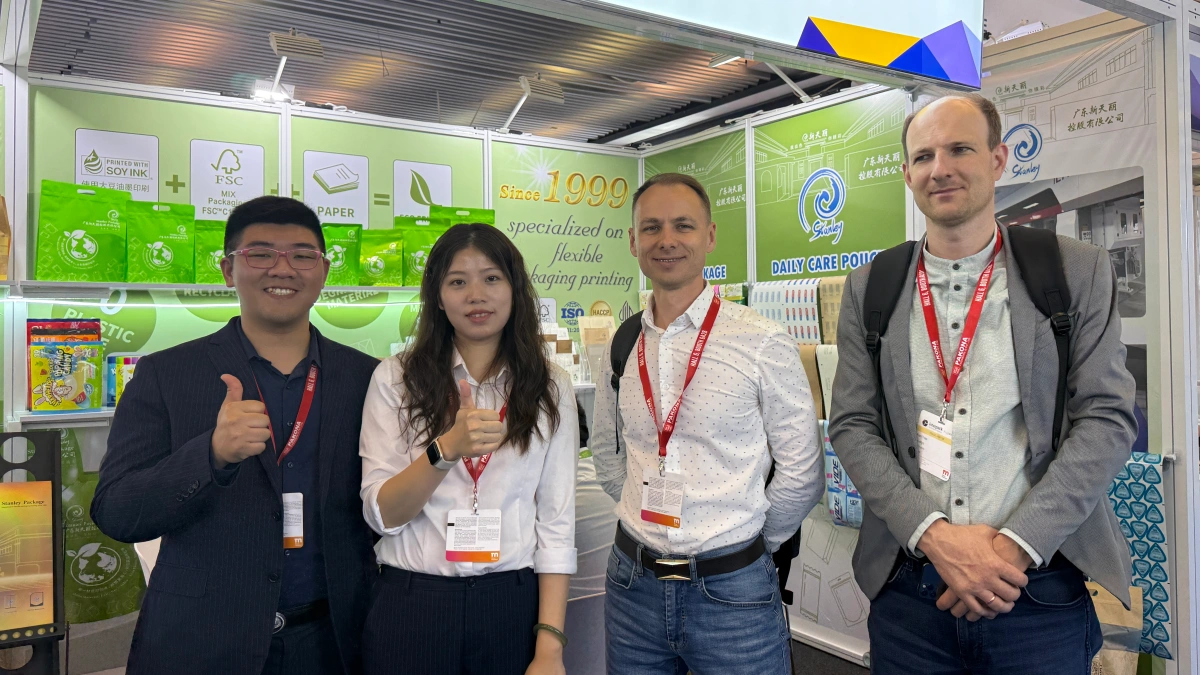
بصفتك شركة متخصصة في تصنيع التغليف المرن حسب الطلب، تأسست عام 1998, باقة ستانلي يوفر ميزات متقدمة حلول التغليف باستخدام الأكياس ولفائف غلاف التغليف للعلامات التجارية العالمية التي تتجه نحو اعتماد أنظمة تغليف قابلة لإعادة التدوير ومستدامة. تقدم شركة «ستانلي باكيج» ما يلي:
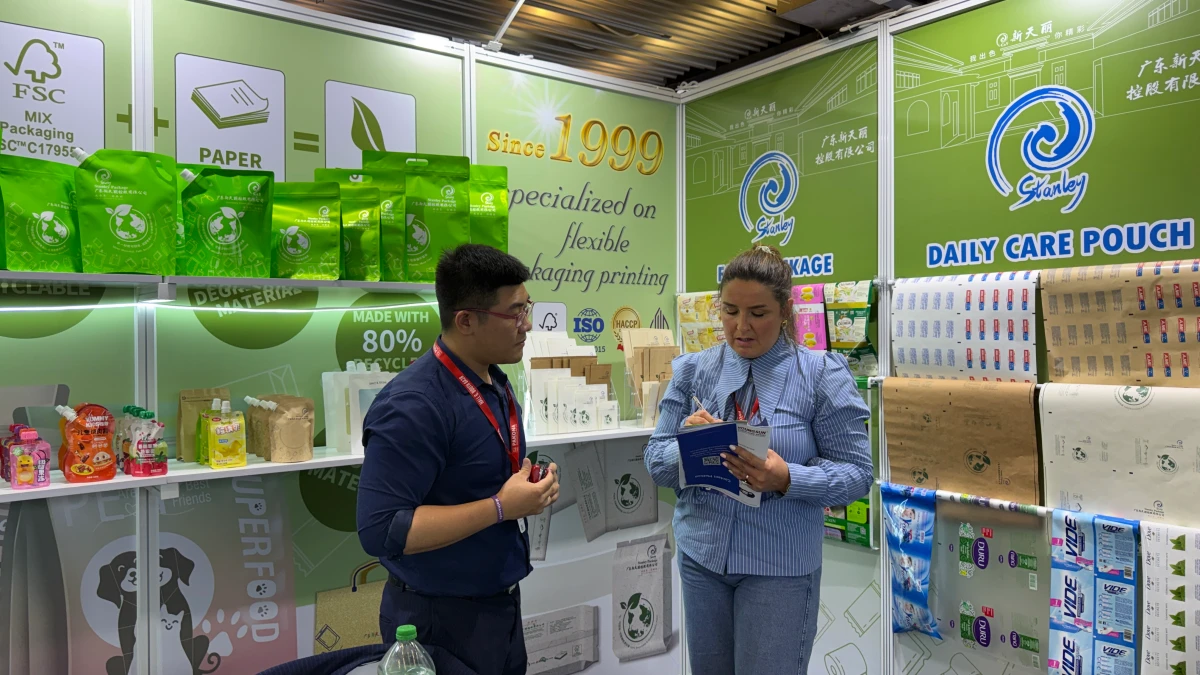
- هياكل متطورة للأكياس المصنوعة من مادة واحدة
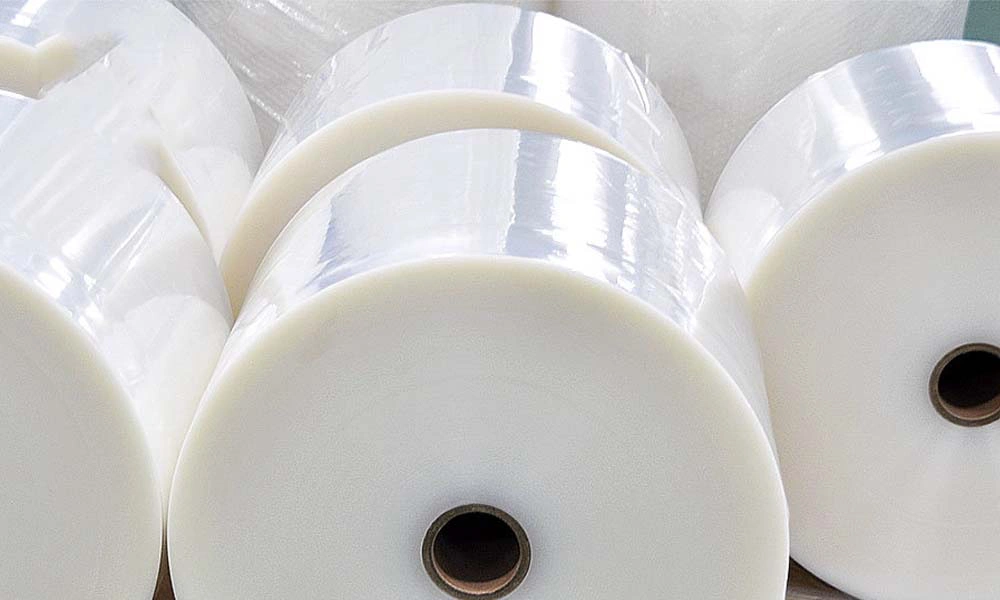
- فيلم تغليف على شكل لفائف ذو حاجز عالي
- حلول التغليف المرنة المخصصة وفقًا لمعايير OEM/ODM
- إنتاج دقيق مع أنظمة صارمة لمراقبة الجودة
- تصنيع قابل للتوسع للعلامات التجارية العالمية
نحن نساعد العلامات التجارية على الانتقال من الهياكل التقليدية متعددة المستويات إلى أنظمة تغليف قابلة لإعادة التدوير وعالية الأداء ومصنوعة من مادة واحدة دون المساس بكفاءة الإنتاج أو أداء مدة الصلاحية.