Da die weltweiten Verpackungsvorschriften immer strenger werden und Marken zunehmend auf Ziele der Kreislaufwirtschaft hinarbeiten, Verpackungen aus einem einzigen Material hat sich zu einer der wichtigsten Innovationen in der Branche der flexiblen Verpackungen entwickelt.
Im Gegensatz zu herkömmlichen Mehrschichtlaminaten sind Einstoffstrukturen so konzipiert, dass sie aus einem eine einzige Polymerfamilie, wodurch sie sich innerhalb bestehender Abfallströme deutlich leichter recyceln lassen.
Dieser Leitfaden erläutert alles, was Sie über Verpackungen aus einem einzigen Material wissen müssen – von der Struktur über die Recyclinglogik bis hin zu Anwendungsbereichen in der Industrie und Gestaltungsaspekten.
1. Was sind Verpackungen aus einem einzigen Material?
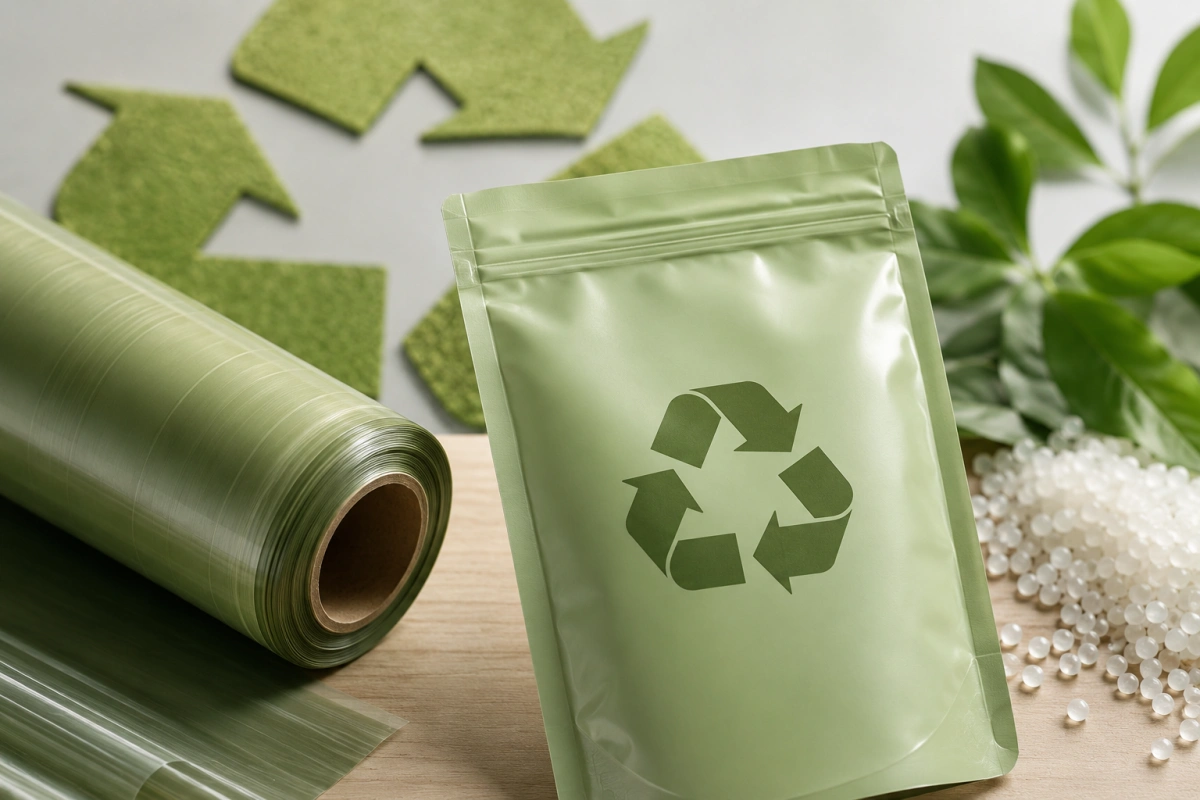
Verpackungen aus einem einzigen Material bezieht sich auf flexible Verpackungsstrukturen, die hauptsächlich aus einer einzigen Polymerart bestehen, am häufigsten:
- PE (Strukturen auf Polyethylenbasis)
- PP (Strukturen auf Polypropylenbasis)
Anstatt mehrere miteinander unverträgliche Materialien (wie PET + ALU + PE) zu kombinieren, zielen Ein-Material-Konstruktionen darauf ab, Materialgleichmäßigkeit über alle Schichten hinweg.
Zu den typischen Strukturen gehören:
- Beutel aus reinem PE (PE/PE/PE)
- Verpackungsfolien aus reinem PP (Laminate auf PP-Basis)
- Monomer-PE-Strukturen mit hoher Barrierewirkung
2. Warum herkömmliche Mehrschichtverpackungen schwer zu recyceln sind
Herkömmliche flexible Verpackungen bestehen häufig aus mehreren Funktionsschichten:
- PET für die Bedruckbarkeit
- Aluminiumfolie als Barriere
- Nylon für Durchstoßfestigkeit
- PE zur Abdichtung
Diese Struktur funktioniert zwar technisch gesehen gut, stellt uns jedoch vor große Herausforderungen beim Recycling:
2.1 Vermischung unverträglicher Materialien
Verschiedene Polymere lassen sich beim Recycling nicht effizient voneinander trennen.
2.2 Klebeverbundbarrieren
Starke Haftschichten verhindern eine mechanische Ablösung.
2.3 Recycelte Produkte mit geringem Wert
Durch gemischte Polymere entstehen Recyclinggranulate minderer Qualität mit eingeschränkten Anwendungsmöglichkeiten.
2.4 Verunreinigung des Abfallstroms
Mehrschichtfolien beeinträchtigen herkömmliche PE/PP-Recyclingsysteme.

3. Warum Verpackungen aus einem einzigen Material leichter zu recyceln sind
Der wesentliche Vorteil von Verpackungen aus einem einzigen Material ist ganz einfach:
Es passt das Verpackungsdesign an die tatsächliche Funktionsweise der Recyclingsysteme in der Praxis an.
3.1 Kompatibilität mit Abfallströmen aus einem einzigen Polymer
Verpackungen aus einem einzigen Material können direkt in folgende Bereiche gelangen:
- PE-Recycling-Strom
- PP-Recycling-Strom
Es ist keine Trennung erforderlich.
3.2 Höhere Recyclingeffizienz
Da die Materialien einheitlich sind:
- Die Recyclingausbeute ist höher
- Die Sortierkomplexität wird reduziert
- Der Energieverbrauch bei der Verarbeitung sinkt
3.3 Recycelter Kunststoff von besserer Qualität
Die Verwendung eines einzigen Materials führt zu folgenden Ergebnissen:
- Stabilere Polymereigenschaften
- Höheres Wiederverwendungspotenzial
- Möglichkeit, in die Produktionszyklen der Verpackungsfertigung wieder einzusteigen
3.4 Geringere Systemkosten für Recyclingunternehmen
Recyclinganlagen profitieren von:
- Vereinfachtes Sortieren
- Geringeres Kontaminationsrisiko
- Schnellere Bearbeitungszyklen
3.5 Einhaltung globaler Vorschriften
Verpackungen aus einem einzigen Material tragen zur Einhaltung folgender Vorschriften bei:
- EU-Verordnung über Verpackungen und Verpackungsabfälle (PPWR)
- Systeme der erweiterten Herstellerverantwortung (EPR)
- Richtlinien zur recyclinggerechten Gestaltung in den USA und der EU
4. Die technische Herausforderung: Kann ein Material aus einem einzigen Werkstoff die gleiche Leistung erbringen?
Ein weit verbreiteter Irrtum ist, dass Verpackungen aus einem einzigen Material Leistungseinbußen mit sich bringen.
Die moderne Technik der flexiblen Verpackungen hat dieses Problem weitgehend gelöst.
4.1 Hochbarriere-Ein-Material-Technologie
Zu den fortschrittlichen Lösungen gehören:
- Barriereschichten auf EVOH-Basis (Integration mit geringem Anteil)
- Coextrudierte Barrierefolien
- Beschichtungen zur Verbesserung der Sauerstoff- und Feuchtigkeitsbarriere
4.2 Strukturoptimierung
Technisch optimierte Folienstrukturen verbessern:
- Durchstoßfestigkeit
- Dichtungsfestigkeit
- Flexibilität für automatisierte Abfüllanlagen
4.3 Austausch von Aluminiumfolienkonstruktionen
PE- oder PP-Folien mit hoher Barrierewirkung können folgende Materialien ersetzen:
- PET/AL/PE-Laminate
- Barrierestrukturen auf Nylonbasis
5. Wichtige Gestaltungsaspekte bei Verpackungen aus einem einzigen Material
Um sowohl Recyclingfähigkeit als auch Leistungsfähigkeit zu gewährleisten, muss das Verpackungsdesign sorgfältig optimiert werden:
5.1 Strategie zur Schichtenreduktion
Weniger inkompatible Schichten = höherer Recycling-Wert
5.2 Auswahl von Druckfarben und Lacke
Drucksysteme müssen mit Recyclingprozessen kompatibel sein
5.3 Minimierung des Klebstoffverbrauchs
Vorzugsweise umweltfreundliche Klebstoffe oder lösungsmittelfreie Laminierung
5.4 Kompatibilität der Dichtungen
Stellen Sie eine einmaterialige Versiegelung sicher, ohne die Haltbarkeit zu beeinträchtigen
5.5 Gleichgewicht zwischen Barrierewirkung und Leistung
Auslegung je nach Produkttyp (Trockenfutter vs. Produkte mit hohem Feuchtigkeitsgehalt)
6. Anwendungsbereiche von flexiblen Verpackungen aus einem einzigen Material
Lösungen aus einem einzigen Material finden branchenübergreifend zunehmend Anwendung:
- Verpackungen für Snacks
- Verpackungen für Kaffee und Tee
- Tüten für Tiefkühlkost
- Verpackungen für Tiernahrung
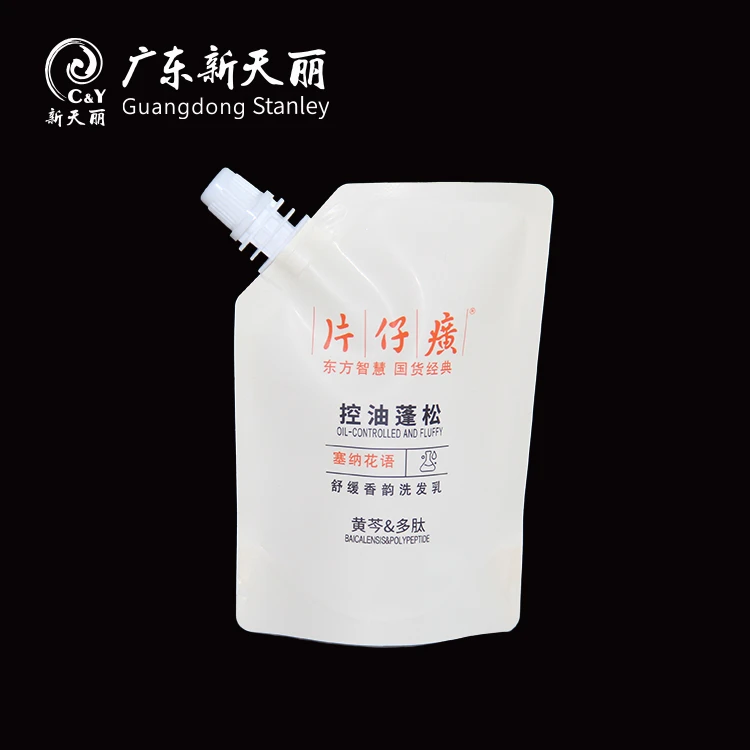
- Haushalts- und Reinigungsmittel
- Versandtaschen für den E-Commerce
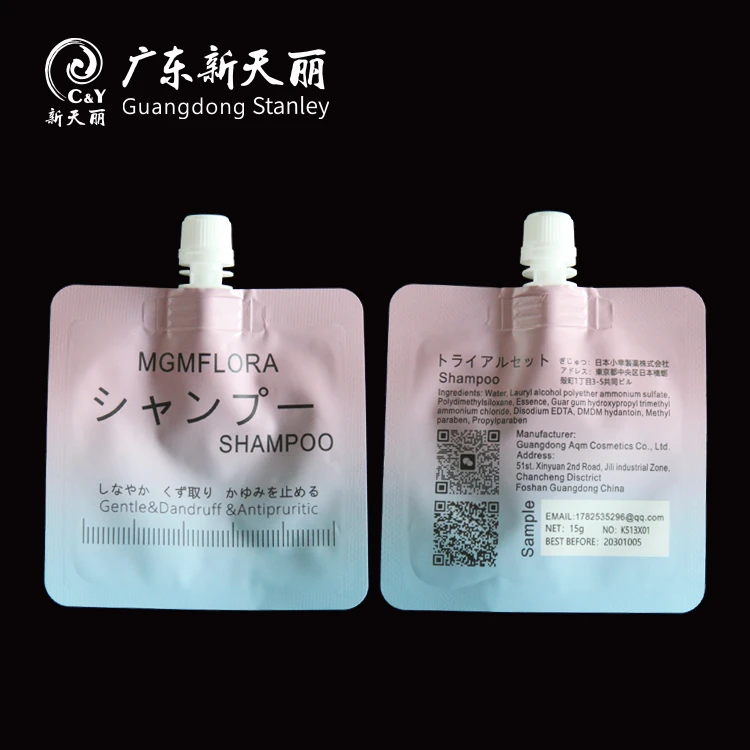
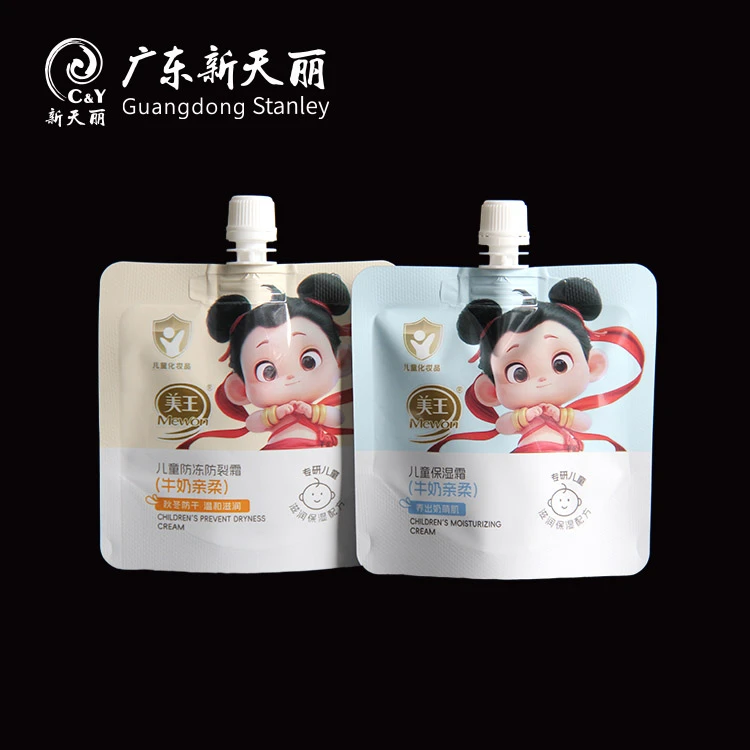
- Beutel für Körperpflegeprodukte und Kosmetika
7. Markttrends: Warum Ein-Material-Verpackungen zum globalen Standard werden
Der Trend hin zu Verpackungen aus einem einzigen Material wird von drei wesentlichen Faktoren vorangetrieben:
7.1 Regulatorischer Druck
Die Regierungen setzen Maßnahmen zur „Recyclability-by-Design“ durch.
7.2 Verpflichtungen der Marke zur Nachhaltigkeit
Weltweit tätige FMCG-Marken verpflichten sich zu Folgendem:
- 100% – recycelbare Verpackung
- Reduzierter Einsatz von Neuplastik
- Einhaltung der ESG-Berichtspflichten
7.3 Die Realität der Recycling-Infrastruktur
Die meisten Recyclingsysteme sind optimiert für Monomaterialströme, nicht mehrschichtige Verbundwerkstoffe.
8. Verpackungen aus einem einzigen Material im Vergleich zu mehrschichtigen Verpackungen
| Funktion | Ein Material | Mehrschichtlaminate |
|---|---|---|
| Wiederverwertbarkeit | Hoch | Niedrig |
| Sortierkomplexität | Niedrig | Hoch |
| Barrierewirkung | Mittel–Hoch | Sehr hoch |
| Kosteneffizienz (Recycling) | Hoch | Niedrig |
| Einhaltung gesetzlicher Vorschriften | Stark | Abschwächung |
9. Wie Stanley Package die Entwicklung von Verpackungen aus einem einzigen Material unterstützt
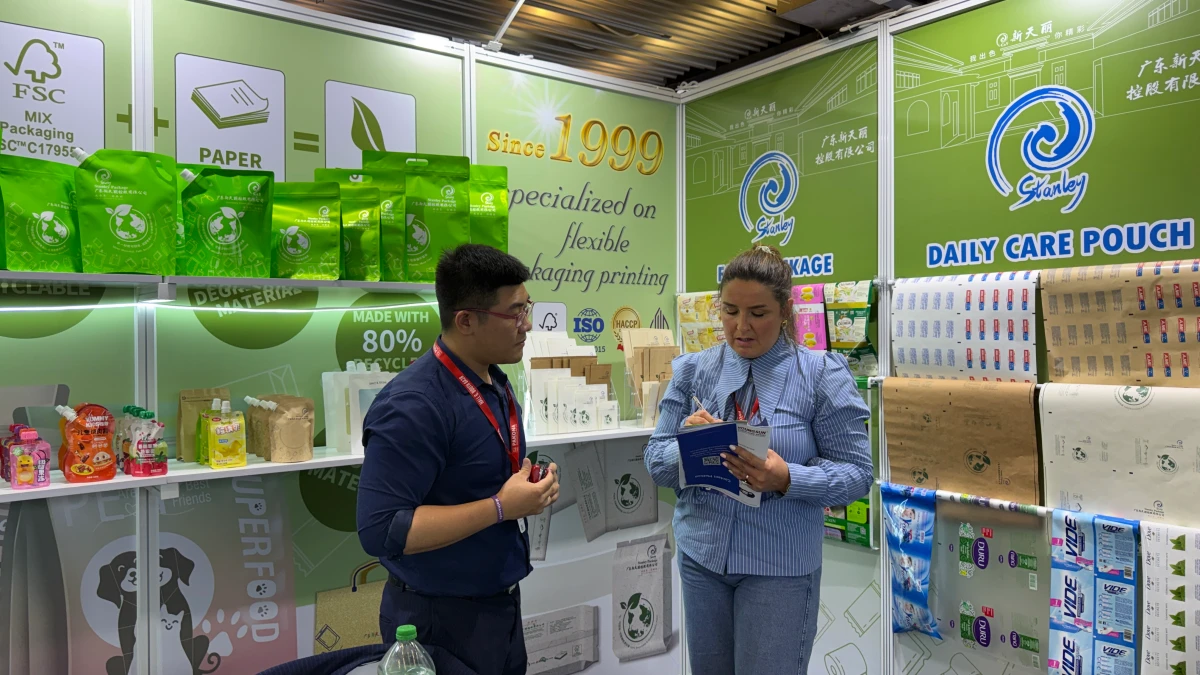
Als Hersteller von maßgeschneiderten flexiblen Verpackungen, gegründet 1998, Stanley-Paket bietet fortschrittliche Verpackungsbeutel und Verpackungsfolien auf Rollen für globale Marken, die auf recycelbare und nachhaltige Verpackungssysteme umstellen. Stanley Package bietet:
- Fortschrittliche Beutelstrukturen aus einem einzigen Material
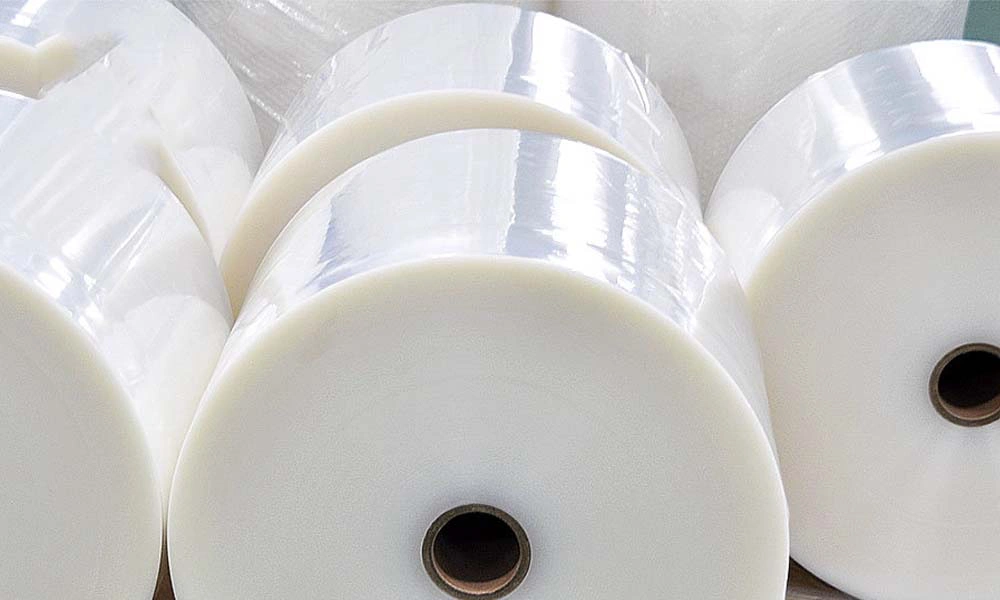
- Verpackungsfolie in Rollenform mit hoher Barrierewirkung
- Maßgeschneiderte OEM/ODM-Lösungen für flexible Verpackungen
- Präzisionsfertigung mit strengen Qualitätskontrollsystemen
- Skalierbare Fertigung für globale Marken
Wir unterstützen Marken beim Übergang von traditionellen mehrstufigen Strukturen zu recycelbare, leistungsstarke Verpackungssysteme aus einem einzigen Material ohne dabei Abstriche bei der Produktionseffizienz oder der Haltbarkeit zu machen.