PET/AL/PE vs. EVOH? Vergleichen Sie echte OTR- und WVTR-Daten, um die optimale Hochbarriere-Struktur für Kaffeebeutel mit einer Haltbarkeit von mehr als 12 Monaten zu finden.
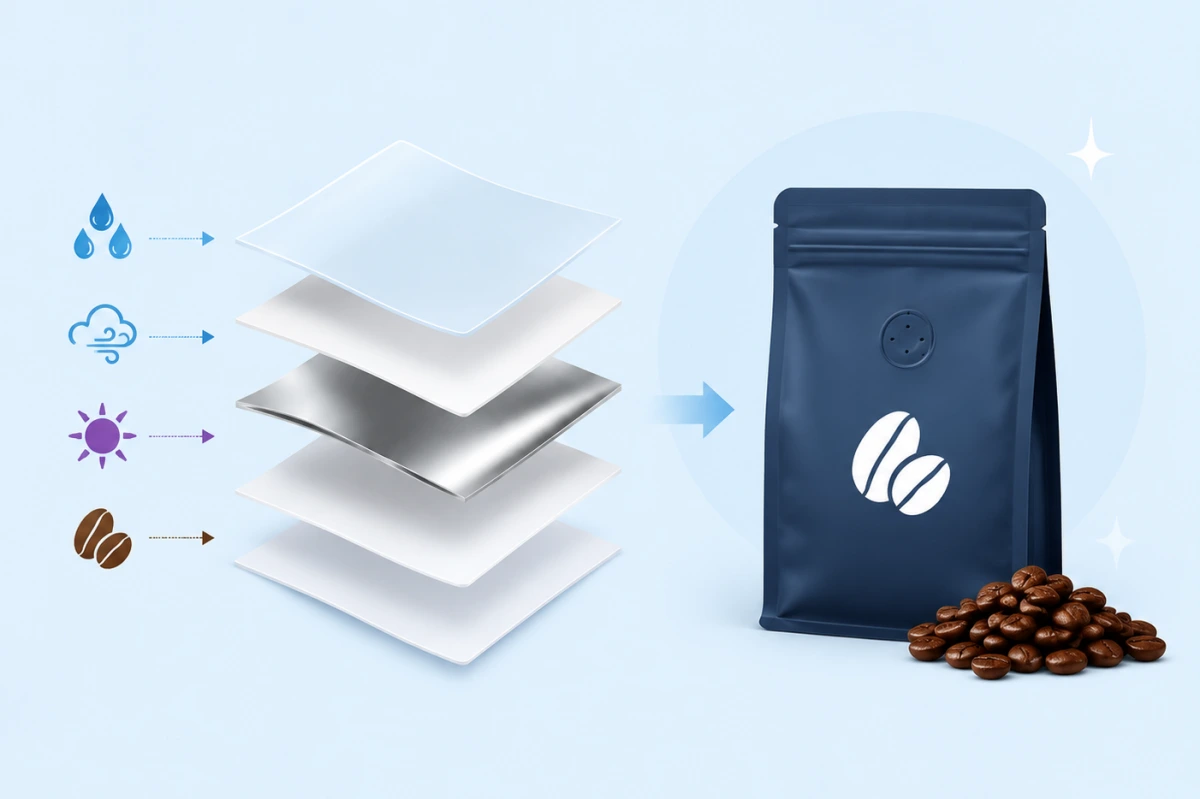
Für Spezialitätenkaffee-Röster und -Marken ist der Schutz der empfindlichen chemischen Zusammensetzung frisch gerösteter Kaffeebohnen eine Herausforderung von großer Tragweite. Sobald der Röstvorgang beendet ist, beginnt für die Kaffeebohnen ein Wettlauf gegen die Zeit. Sie setzen große Mengen an Kohlendioxid (CO₂) frei und werden gleichzeitig äußerst anfällig für Sauerstoff, Feuchtigkeit und Licht.
Ohne eine geeignete Verpackung mit hoher Barrierewirkung können geröstete ganze Bohnen ihr lebendiges, komplexes Geschmacksprofil bereits nach 1 bis 2 Wochen, da flüchtige Aromastoffe verfliegen und ungesättigte Lipide oxidieren, was zu abgestandenen, ranzigen Noten führt.
Um diese Haltbarkeitsdauer auf 12 bis 18 Monate Bei ungeöffneten Verpackungen müssen die Hersteller spezielle mehrschichtige Laminate verwenden. Aber Was ist mathematisch und wissenschaftlich gesehen die am besten Struktur? Lassen Sie uns die Daten zur Barrierewirkung, zur chemischen Beständigkeit und zur strukturellen Integrität analysieren.
1. Die Chemie des Kaffeeverfalls
Um zu verstehen, warum bestimmte Barrierewerte erforderlich sind, müssen wir uns die wichtigsten Abbauprozesse bei geröstetem Kaffee ansehen:
- Oxidation: Kaffee enthält etwa 10%∼15% Lipide (ungesättigte Fettsäuren). Durch den Kontakt mit Sauerstoff wird die Lipidoxidation ausgelöst, wodurch Peroxide und Aldehyde entstehen, die einen ranzigen Geschmack verursachen.
- Feuchtigkeitsaufnahme: Gerösteter Kaffee ist extrem trocken (Feuchtigkeitsgehalt <3%). Das Eindringen von Wasserdampf beschleunigt den Verderb und zerstört die knusprige, lösliche Struktur der Bohne.
- Verlust durch Verflüchtigung: Das Röstaroma setzt sich aus über 800 flüchtigen organischen Verbindungen zusammen (hauptsächlich Furane und Pyrazine). Aufgrund einer schwachen Materialbarriere können diese aromatischen Gase direkt durch den Kunststoff entweichen.
2. Vergleich von Barrierematerialien: Die wissenschaftlichen Daten
Zwei entscheidende Kennzahlen bestimmen die Barrierewirkung eines Verpackungsmaterials:
- OTR (Sauerstoffdurchlässigkeitsrate): Gemessen in cm³/m²·Tag bei 23 °C / 0% relativer Luftfeuchtigkeit. Je niedriger, desto besser.
- WVTR (Wasserdampfdurchlässigkeitsrate): Gemessen in g/m²·Tag bei 37,8 °C / 90% relative Luftfeuchtigkeit. Je niedriger, desto besser.
Gemäß den Verpackungsnormen und Datenbanken zu Materialeigenschaften (wie beispielsweise Labthink Instruments (sowie Versuche mit Verpackungen für den akademischen Bereich) – hier ein Vergleich der gängigen Bestandteile von Laminatschichten:
| Materialschicht | Typischer OTR (cc/m²·Tag) | Typischer WVTR (g/m²·Tag) | Barriere-Bewertung |
| Polyethylen (PE) | >5,000 | ∼10 | Schlecht |
| PET (Polyethylenterephthalat) | 50∼100 | 15∼25 | Mäßig |
| MPET (metallisiertes PET) | 1∼3 | 0,1∼0,5 | Hoch |
| EVOH (Ethylen-Vinylalkohol) | <1,5 | 1,5∼3,0 | Hoch (hygroskopisch) |
| Aluminiumfolie (Al) | ≈0 (unterhalb der Nachweisgrenze) | ≈0 (unterhalb der Nachweisgrenze) | Ausgezeichnet (Absolute Barriere) |
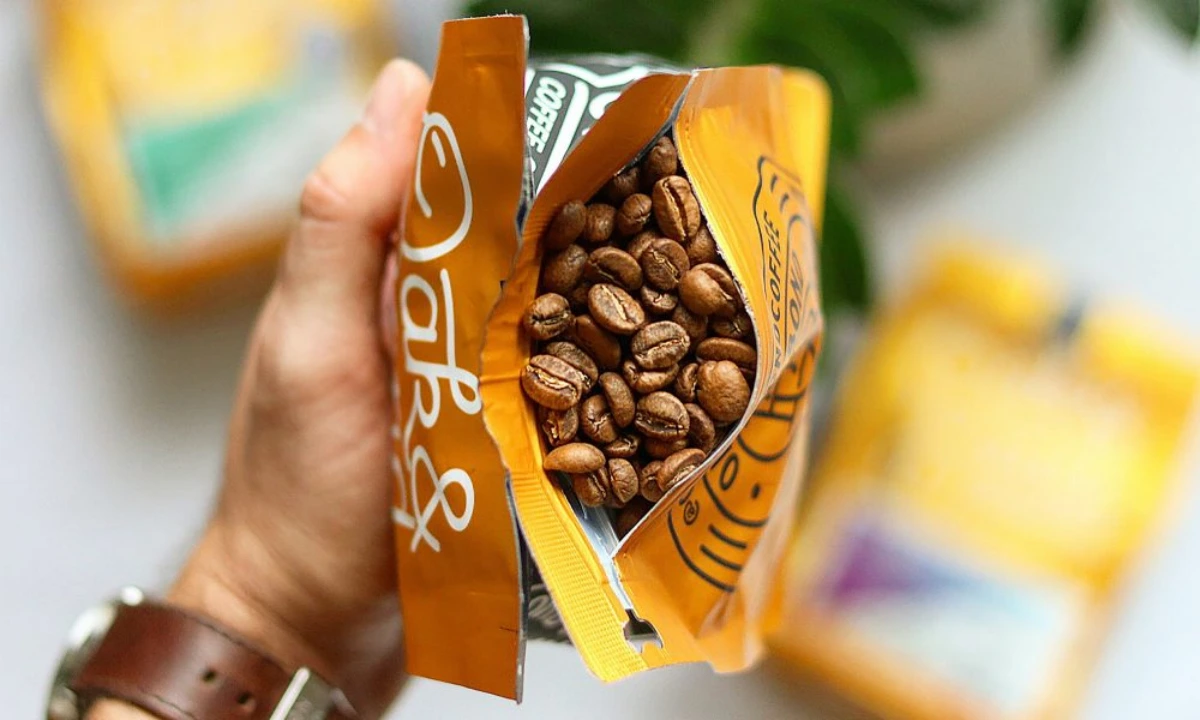
3. Die „Gold Standard“-Struktur: PET / AL / PE
In vergleichenden Verpackungsstudien – wie beispielsweise den im Zeitschrift für Agrar- und Lebensmittelchemie sowie beschleunigte Haltbarkeitstests durch MDPI—Der unangefochtene Spitzenreiter in Sachen langfristige Haltbarkeit ist die dreischichtige Folienstruktur: PET / AL / PE.
Warum diese Kombination funktioniert:
- Außenlage: PET (in der Regel 12 Mikrometer): Bietet mechanische Festigkeit, Durchstoßfestigkeit und eine hervorragende, gleichbleibende Oberfläche für hochauflösenden, individuellen Druck.
- Kern-Sperrschicht: Aluminiumfolie (in der Regel 7 bis 9 Mikrometer): Dient als physikalischer, undurchlässiger Schutzschild. Es bildet eine absolute Barriere gegen Licht (100% undurchsichtig), Sauerstoff (OTR ≈0) und Feuchtigkeit (WVTR ≈0).
- Innere Kontaktschicht: PE (typischerweise 60 bis 100 Mikrometer): Polyethylen in Lebensmittelqualität bietet eine hervorragende Heißsiegelfähigkeit und sorgt für hermetische Verschlüsse, die ein Auslaufen entlang der Beutelnähte verhindern.
Die Daten sprechen für sich:
Eine wegweisende Studie zur Bewertung der Haltbarkeit von Spezialitätenkaffee unter beschleunigten Bedingungen (40 °C bis 60 °C, umgerechnet auf normale Raumtemperatur) hat Folgendes gezeigt:
- Einfach gelagerter Kaffee Kraftpapier- oder Kunststoffbeutel mit geringer Barrierewirkung bis zu 80% seiner flüchtigen aromatischen Verbindungen und fiel unter die für Tassenkaffee akzeptablen Qualitätswerte in weniger als 30 Tage.
- Im Gegensatz dazu wird Kaffee, der in Aluminiumfolien-Laminate (PET/AL/PE) behalten seine für Spezialitätenkaffee typische Bewertung und sein frisches Geschmacksprofil bei für bis zu 250 Tage bei 20 °Cund über 600 Tage bei Lagerung bei 10 °C.
4. Die moderne, umweltfreundliche Alternative: PET / EVOH-PE
Während PET / AL / PE Auch wenn es nach wie vor der technische Goldstandard ist, hat das weltweite Streben nach Nachhaltigkeit viele Marken dazu veranlasst, nach recycelbaren, metallfreien Konstruktionen zu suchen.
Die praktikabelste Alternative mit hoher Barriere ist PET / EVOH-PE (oder aus einem einzigen Material PP / EVOH / PP):
- EVOH (Ethylen-Vinylalkohol) bietet eine außergewöhnliche Sauerstoffbarriere (OTR < 1,5).
- EVOH ist jedoch äußerst feuchtigkeitsempfindlich. In dieser Struktur fungieren das äußere PET und das innere PE als “Feuchtigkeitsschutzschichten”, um das EVOH trocken zu halten, wodurch es seine außergewöhnliche Sauerstoffbarriere bewahrt.
- Zwar verfügt es nicht über die absolute Lichtundurchlässigkeit von Folie, doch kann es eine Haltbarkeit bei ungeöffnetem Zustand von 8 bis 12 Monate und lässt sich in modernen Recyclingprozessen viel leichter verarbeiten.
5. Unverzichtbarer Begleiter: Das Einweg-Entgasungsventil
Ganz gleich, wie hoch die Laminatbarriere auch sein mag: Frisch gerösteter Kaffee lässt sich ohne einen Einweg-Entgasungsventil.
Frischer Kaffee setzt bis zu 10 Liter CO₂-Gas pro Kilogramm in den ersten Wochen nach dem Rösten. Ohne Ventil:
- Das Päckchen wird anschwellen und schließlich platzen.
- Wenn Sie vor dem Verpacken warten, bis der Kaffee an der Luft auf natürliche Weise entgast ist, oxidieren die Bohnen und werden ranzig, noch bevor sie überhaupt in den Beutel gelangen.
Ein hochwertiges Einwegventil arbeitet mit Druckunterschieden. Wenn der Innendruck des CO₂ einen winzigen Schwellenwert überschreitet, wird eine Gummimembran verformt, sodass Gas entweichen kann. Sobald sich der Druck ausgeglichen hat, schließt das Ventil wieder dicht und verhindert so, dass Sauerstoff von außen (der zu 21% aus der Umgebungsluft besteht) eindringt.
Arbeiten Sie mit Stanley Package zusammen – für perfekte Frische
Um die optimale Haltbarkeit Ihrer gerösteten Kaffeebohnen zu erreichen, ist ein ausgewogenes Gleichgewicht zwischen der Auswahl der Materialien, einer präzisen Dichtheit der Versiegelung und der Integration hochwertiger Ventile erforderlich.
Unter Stanley-Paket (gegründet 1998) sind wir ein weltweit anerkanntes Hersteller von kundenspezifischen flexiblen Verpackungen mit über 25 Jahren Erfahrung in der Entwicklung von Lösungen mit hoher Barrierewirkung.
Wir bieten:
- Hochwertige PET/AL/PE- und umweltfreundliche EVOH-Laminate: Getestet und geprüft auf Einhaltung der strengen OTR- und WVTR-Barriereanforderungen.
- Integrierte Entgasungsventile: Hochleistungs-Rückschlagventile, die perfekt abgedichtet sind, um das Eindringen von Sauerstoff zu verhindern.
- Benutzerdefinierte Formate: Erhältlich mit individueller Bedruckung Stand-up-Beutel, Beutel mit flachem Boden, und Hochgeschwindigkeits- Rollenware Verpackungsfolie.
Schützen Sie das Aroma, die Crema und den Geschmack Ihres Kaffees – von der Rösterei bis in die Tasse des Verbrauchers. Nehmen Sie noch heute Kontakt mit Stanley Package auf für professionelle, wissenschaftlich fundierte Verpackungslösungen.