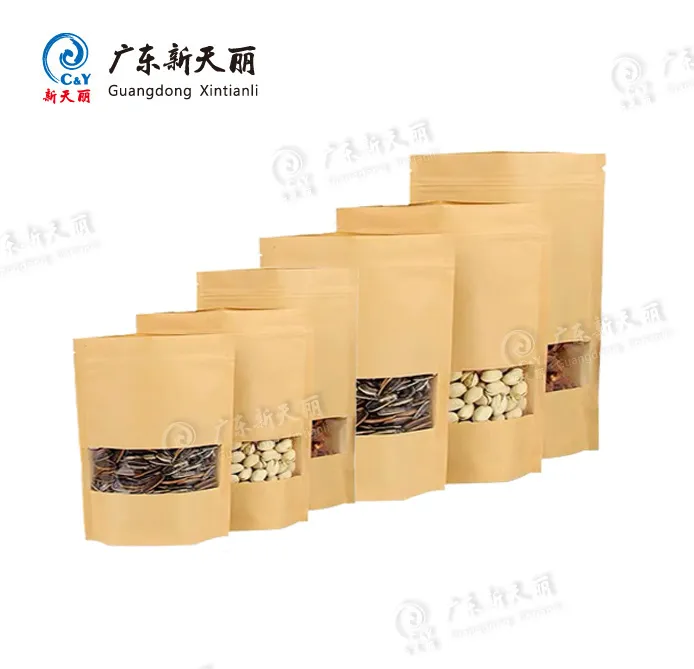
Elegir el adecuado tamaño de la bolsa vertical va más allá de elegir una bolsa con capacidad para el peso neto deseado. Para las marcas, los importadores, los distribuidores y los compradores de envases, las dimensiones adecuadas de la bolsa deben equilibrar volumen del producto, peso de llenado, densidad del producto, espacio libre, presentación en el lineal, requisitos de sellado y compatibilidad con la línea de envasado.
Una bolsa de 500 g para café, por ejemplo, puede requerir unas dimensiones diferentes a las de una bolsa de 500 g para proteína en polvo, ya que ambos productos tienen densidades aparentes distintas. Por eso, las dimensiones de las bolsas deben determinarse en función del producto concreto y no solo del peso.
En esta guía se explica cómo tamaños de las bolsas verticales cómo se miden, cómo se relacionan las dimensiones con la capacidad y el peso de llenado, y cómo los compradores B2B pueden seleccionar el tamaño de bolsa adecuado antes de realizar un pedido de envases a medida.
¿Cómo se miden los tamaños de las bolsas verticales?
Bolsas verticales se suelen especificar como:
Ancho × Alto + Refuerzo inferior
Por ejemplo:
160 × 240 + 80 mm
significa aproximadamente:
- Ancho: 160 mm
- Altura: 240 mm
- Refuerzo inferior: 80 mm
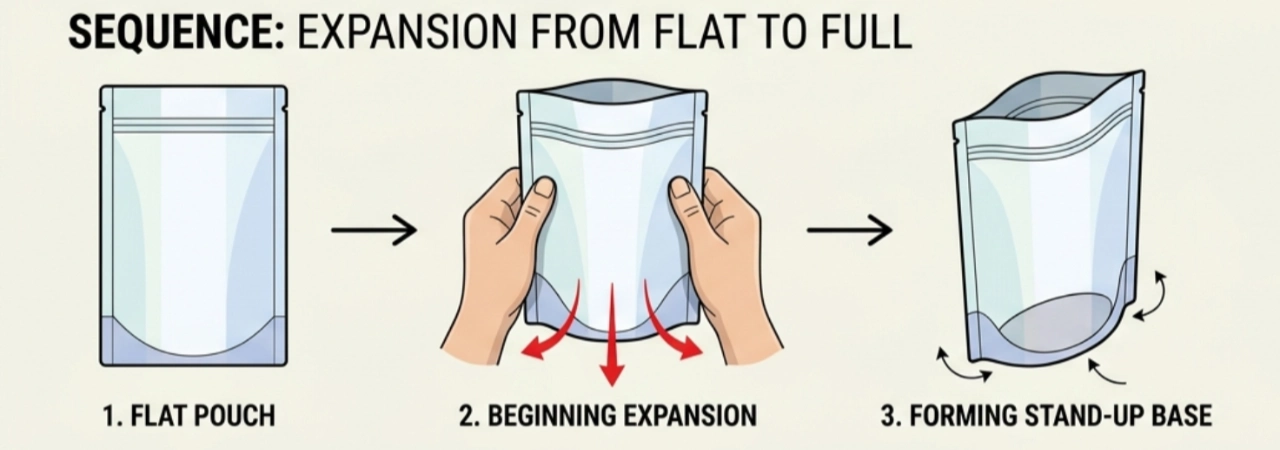
El refuerzo inferior se expande cuando se llena la bolsa, creando la base que permite que el envase se mantenga en posición vertical.
Sin embargo, estas dimensiones se refieren a la bolsa en sí y no a un peso de llenado garantizado. La capacidad real depende en gran medida de la densidad del producto, el tamaño de las partículas, el método de llenado, la estructura de la bolsa, la posición de la cremallera, la zona de sellado y el espacio libre necesario.
Cómo entender las dimensiones de las bolsas verticales
1. Anchura
En anchura es la medida horizontal de la bolsa vista desde delante.
Afecta directamente a:
- Área de visualización del panel frontal
- Visibilidad en el lineal
- Espacio disponible para obras de arte
- Distribución del producto en el interior de la bolsita
- Proporciones generales del paquete
Una bolsa más ancha puede ofrecer más espacio para el logotipo, mientras que una bolsa más estrecha puede dar una apariencia más alta y compacta.

2. Altura
En altura Se mide desde la parte inferior de la bolsa hasta la parte superior de la misma.
Normalmente incluye zonas que no están totalmente disponibles para el relleno, como por ejemplo:
- Área de sellado superior
- Zona de la cremallera
- Muesca de desgarro
- Agujero para colgar
- Boquilla u otros componentes del cierre
Por lo tanto, la altura exterior no debe considerarse como la altura real de relleno.
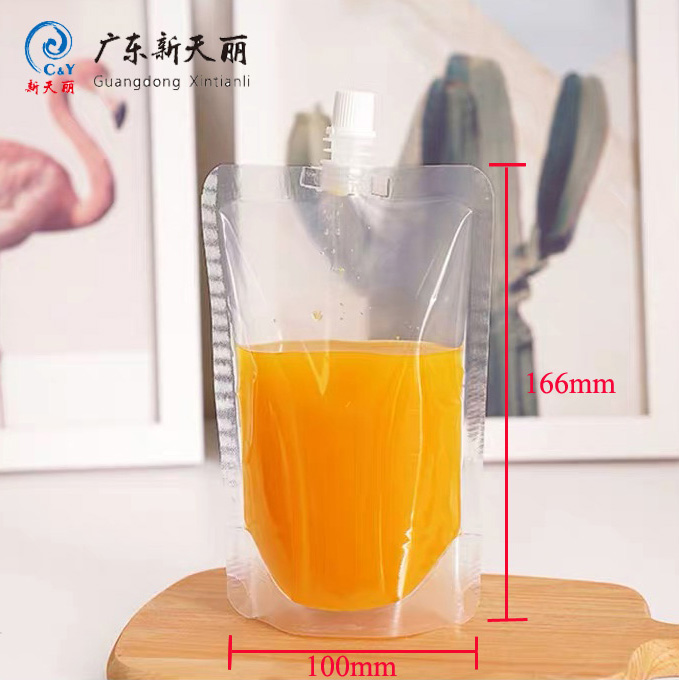
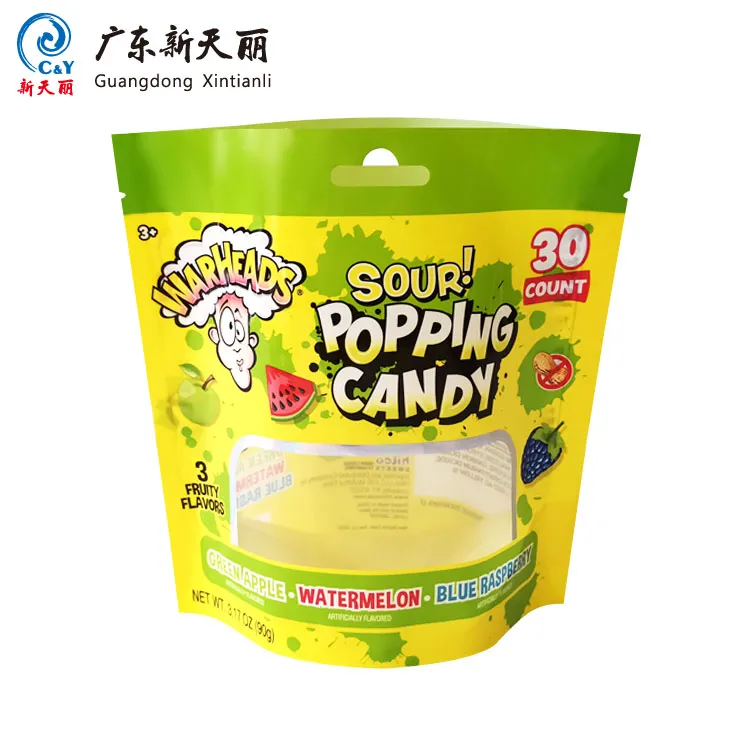
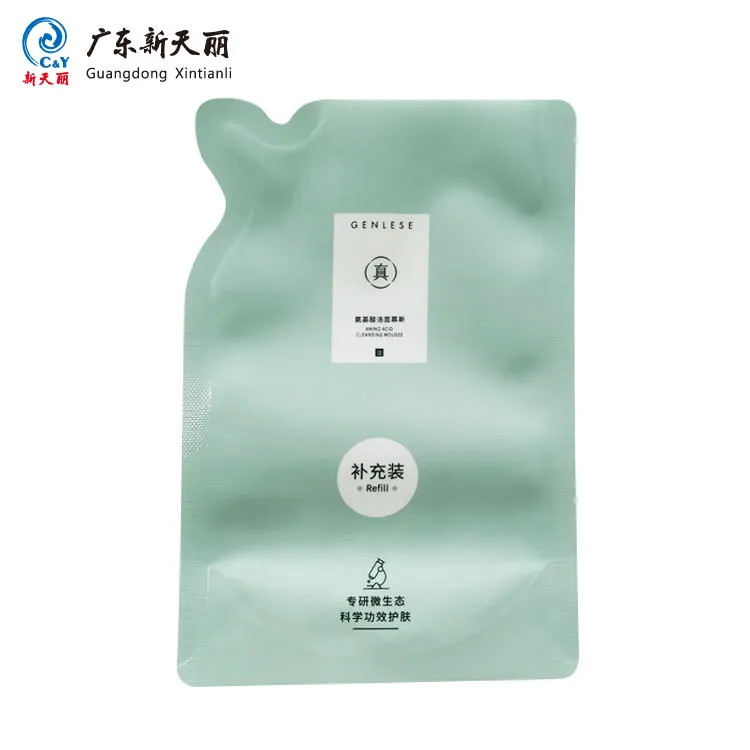
3. Refuerzo inferior
En refuerzo inferior es la parte doblada situada en la parte inferior de una bolsa vertical.
Cuando la bolsa está vacía, el pliegue lateral queda doblado. Una vez llena, se expande para ganar profundidad y crear una base estable que le permite mantenerse de pie.
El refuerzo influye en:
- Volumen interno
- Estabilidad en posición de pie
- Superficie de la base
- Presentación del producto
- Proporciones generales de la bolsa
Un refuerzo más grande puede aumentar el volumen útil sin que la bolsa resulte excesivamente alta.
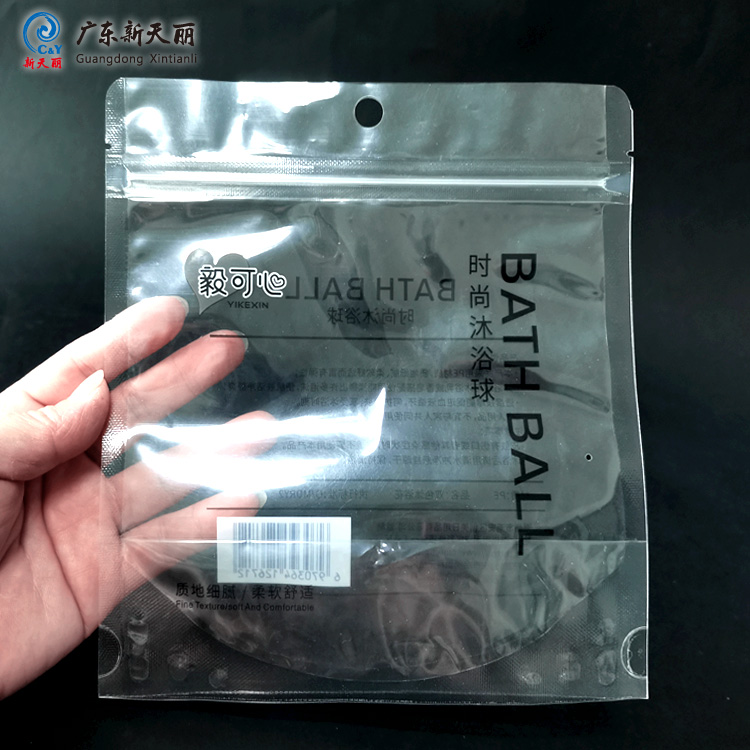
Tabla de tallas de bolsas verticales
La siguiente tabla ofrece unas dimensiones orientativas generales para las aplicaciones más habituales de las bolsas verticales. Estas cifras son directrices, en lugar de normas fijas del sector ya que la capacidad real varía en función de la densidad del producto y del diseño de la bolsa. Las tablas de medidas del sector también destacan que unas mismas dimensiones de bolsa pueden albergar diferentes pesos en función del producto.
| Tamaño de referencia | Dimensiones aproximadas (An × Al + G) | Capacidad aproximada del producto* | Aplicaciones típicas |
|---|---|---|---|
| Pequeño | 100 × 150 + 60 mm | 30-100 g | Muestras, especias, té, aperitivos |
| Pequeña-Mediana | 130 × 200 + 70 mm | 100-250 g | Dulces, frutos secos, café, golosinas para mascotas |
| Medio | 160 × 240 + 80 mm | 250-500 g | Café, muesli, aperitivos, suplementos |
| Mediano-grande | 190 × 265 + 90 mm | 500–750 g | Café, comida para mascotas, productos en polvo |
| Grande | 240 × 335 + 100 mm | 750 g–1 kg+ | Proteína en polvo, comida para mascotas, alimentos a granel |
| Extragrande | 300 × 500 + 120 mm | 2–3 kg+ | Alimentos a granel, alimentos para mascotas, productos industriales |
*La capacidad aproximada varía considerablemente en función de la densidad del producto, el tamaño de las partículas, el método de llenado y el espacio libre deseado.
Por ejemplo, una tabla de referencia publicada indica 160 × 230 + 70 mm con un peso aproximado de 250 g, 190 × 265 + 90 mm con un peso aproximado de 500 g y 240 × 335 + 100 mm con un peso aproximado de 1.000 g. Estas cifras demuestran por qué las tablas de tamaños deben considerarse puntos de partida y no especificaciones.
Capacidad de las bolsas verticales frente al peso de llenado
Uno de los conceptos más importantes para los compradores de envases es la diferencia entre capacidad y peso de llenado.
La capacidad se mide por el volumen
La capacidad se refiere al espacio físico disponible en el interior de la bolsa. Se puede expresar en:
- mL
- L
- onzas líquidas
- Centímetros cúbicos (cm³)
El peso de llenado se mide por masa
El peso de llenado se refiere al peso del producto envasado:
- g
- kg
- oz
- lb
Estas dos medidas están relacionadas, pero no son intercambiables.
Una bolsa con capacidad para 500 ml de producto no tiene por qué contener necesariamente 500 g.
La relación se puede simplificar de la siguiente manera:
Volumen del producto ≈ Peso del producto ÷ Densidad aparente
Por ejemplo, si un producto tiene una densidad aparente de 0,5 g/ml:
500 g ÷ 0,5 g/ml = 1.000 ml
El producto necesitaría aproximadamente 1 litro de volumen.
Por eso, una bolsa de 500 g de un producto puede ser considerablemente más grande que una bolsa de 500 g de otro.
Por qué es importante la densidad del producto a la hora de elegir el tamaño de la bolsa
Granos de café
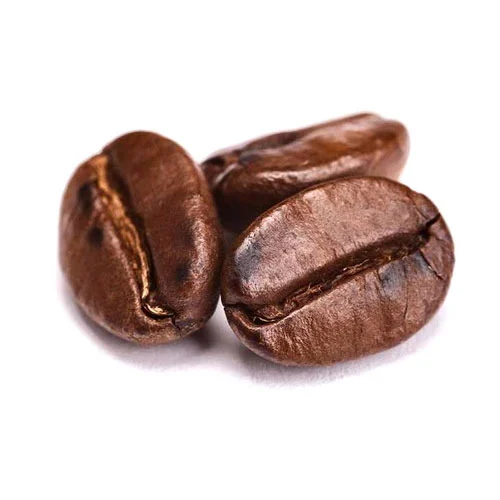
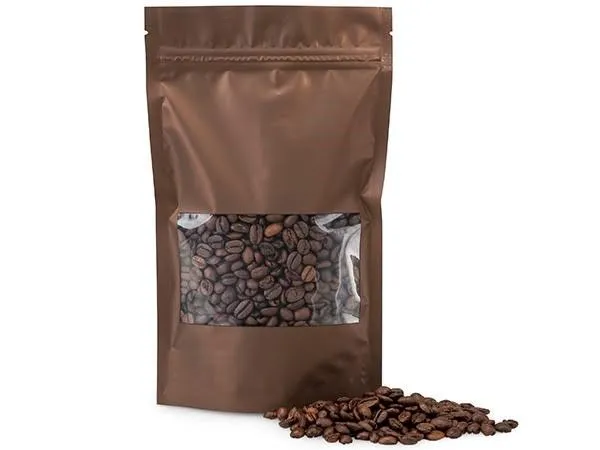
Los granos de café enteros contienen un espacio de aire considerable entre cada grano, por lo que, por lo general, ocupan más volumen que un polvo denso del mismo peso.
Por lo tanto, una bolsa diseñada para contener entre 250 y 340 g de café aproximadamente puede necesitar un volumen interno considerablemente mayor que una bolsa diseñada para el mismo peso de un polvo denso.
Proteína en polvo
La proteína en polvo suele ser más compacta que los granos de café enteros, pero su densidad aparente puede variar considerablemente según la fórmula.
El tamaño de las partículas, la formulación, la sedimentación y la aireación pueden influir en el volumen necesario.
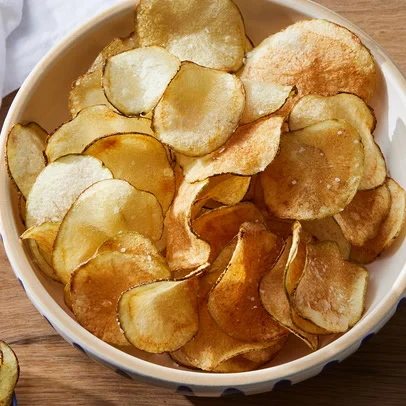
Frutos secos y aperitivos
Productos como las almendras, la muesli, las patatas fritas y las golosinas para mascotas tienen formas irregulares y contienen un volumen de aire considerable. Por lo tanto, su volumen real de llenado puede variar incluso cuando el peso neto se mantiene constante.
Productos líquidos
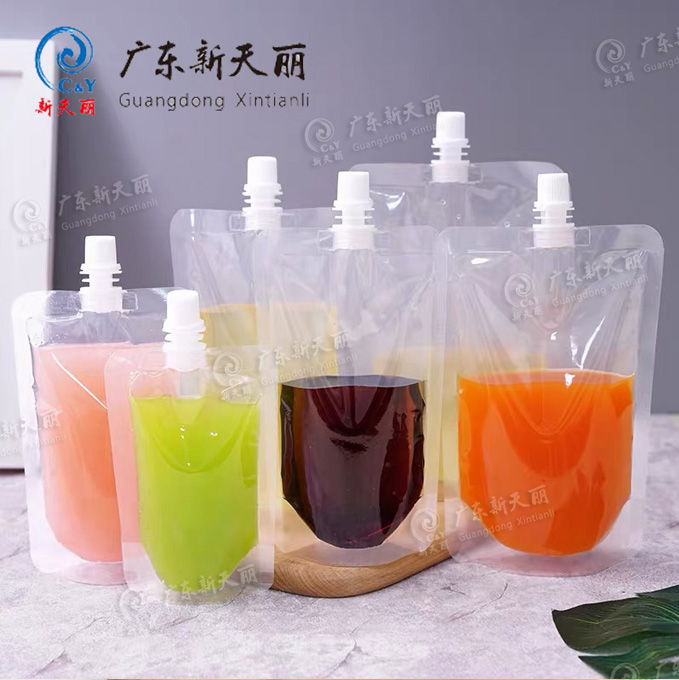
Por lo general, es más fácil calcular el volumen de los líquidos, ya que su densidad es más constante que la de muchos productos secos. No obstante, la bolsa debe disponer de suficiente espacio libre para el sellado y la manipulación.
En el caso de las bolsas verticales para líquidos, la posición del pico vertedor y el diseño de la bolsa también pueden reducir el volumen interno útil.
Tamaños habituales de las bolsas verticales según el tipo de producto
Envasado de café
Entre los tamaños habituales de las bolsitas de café para venta al por menor se incluyen los siguientes formatos:
- 100-150 g
- 227 g / 8 oz
- 250 g
- 340 g / 12 oz
- 454 g / 1 lb
- 500 g
- 1 kg
El envasado del café también puede requerir un válvula desgasificadora unidireccional para permitir que se escape el dióxido de carbono y, al mismo tiempo, limitar la entrada de oxígeno.
Por lo tanto, en el caso de una marca de café, las dimensiones de las bolsitas deben seleccionarse teniendo en cuenta:
- Peso neto previsto
- Tipo de café
- Café en grano o molido
- Válvula de desgasificación
- Cremallera
- Método «Fill»
- Aspecto deseado en el lineal
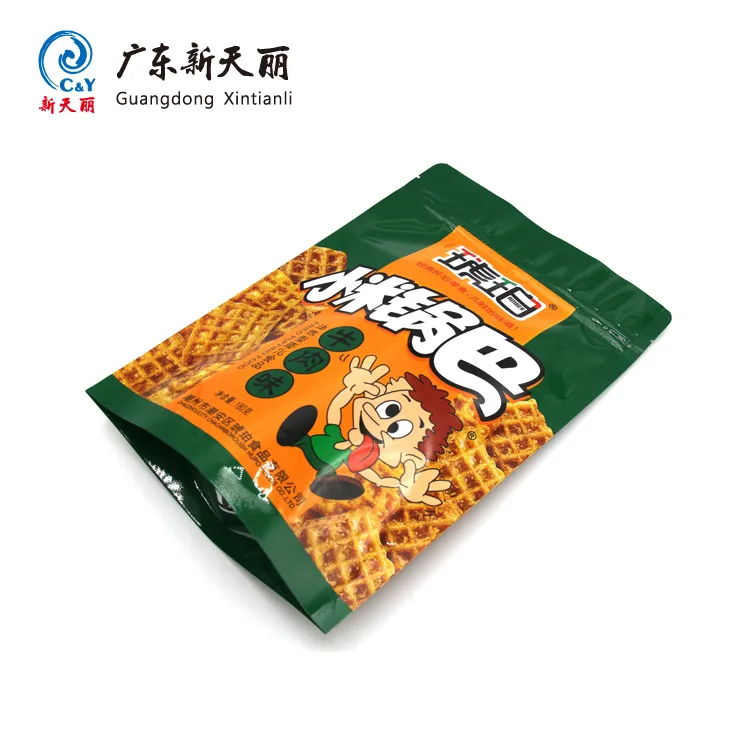
Envasado de aperitivos
Los productos de aperitivo, como los frutos secos, la fruta deshidratada, la muesli y las patatas fritas, suelen requerir un volumen adicional debido a su forma irregular y a los huecos de aire que contienen.
Entre los formatos más habituales se encuentran:
- Bolsitas de prueba pequeñas
- Bolsitas de una sola ración
- Envases para venta al por menor de 100 a 250 g
- Envases familiares de 500 g
- Paquetes económicos de 1 kg
En el caso de los aperitivos, un panel frontal más ancho también puede ofrecer más espacio para la imagen de marca y las fotografías del producto.
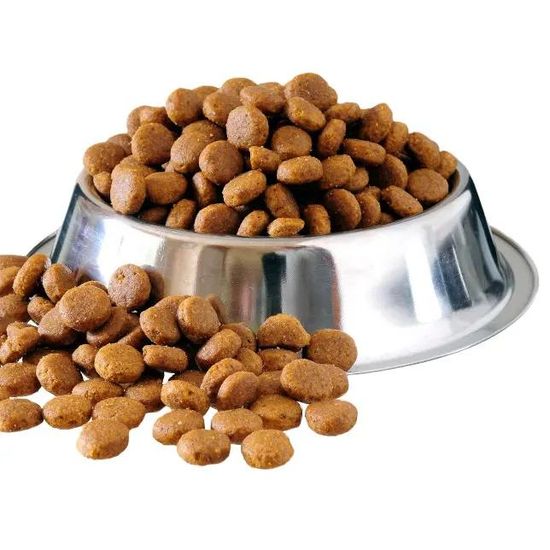
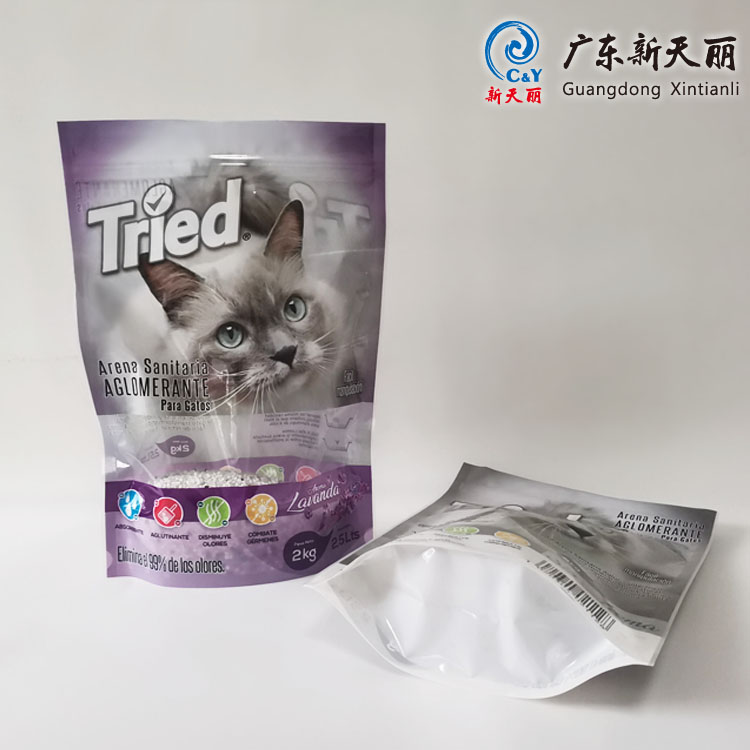
Envasado de alimentos para mascotas
Las golosinas y el pienso seco para mascotas pueden requerir bolsas de mayores dimensiones debido a su densidad aparente relativamente baja y al tamaño irregular de sus partículas.
Los formatos habituales van desde pequeños paquetes de golosinas hasta paquetes familiares más grandes y envases a granel.
En el caso de las bolsas de comida para mascotas de mayor tamaño, los compradores también deberían tener en cuenta lo siguiente:
- Requisitos de las asas
- Resistencia de la cremallera
- Resistencia del sellado
- Estabilidad del refuerzo
- Espesor del material
- Resistencia al transporte
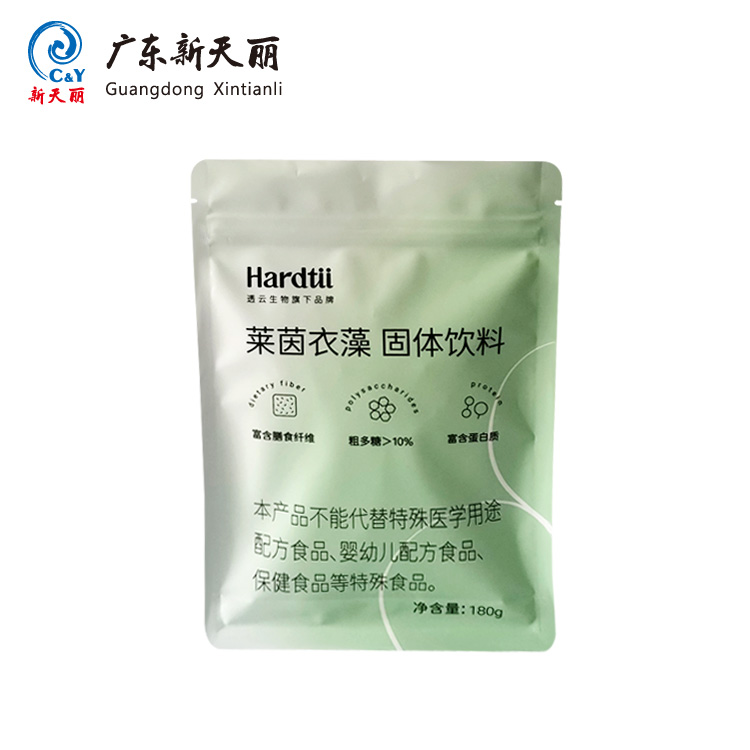
Envasado en polvo
Los polvos pueden presentar densidades aparentes muy diferentes.
La proteína en polvo, la harina, los suplementos, el detergente en polvo y otros productos en polvo pueden requerir tamaños de bolsitas diferentes, incluso cuando el peso de llenado deseado sea idéntico.
Por ello, resulta especialmente importante realizar pruebas reales con el producto antes de fijar las dimensiones definitivas de la bolsa.

Envasado de salsas y líquidos
En el caso de las salsas, los condimentos, las bebidas y otros líquidos, los compradores suelen fijarse objetivos de volumen como, por ejemplo:
- 100 ml
- 250 ml
- 500 ml
- 1 L
Las bolsas verticales para líquidos también pueden incorporar boquillas y tapones para facilitar su uso.
El envase debe contar con suficiente espacio libre y una hermeticidad adecuada para evitar fugas durante el transporte y el almacenamiento.


Cómo elegir el tamaño adecuado para una bolsa vertical
Paso 1: Definir el peso de llenado deseado
Empieza por los requisitos comerciales.
Por ejemplo:
- 100 g
- 250 g
- 500 g
- 1 kg
Pero no te fijes solo en el peso.
La siguiente pregunta debería ser: ¿Qué producto vas a meter en la bolsita?
Paso 2: Determinar la densidad aparente del producto
Mide u obtén la densidad aparente aproximada del producto real.
Esto permite convertir el peso objetivo en un volumen estimado necesario.
Si vas a comprar envases para un producto nuevo, probar el producto en sí es mucho más fiable que utilizar tablas de capacidad genéricas que se encuentran en Internet.
Paso 3: Calcular el volumen necesario
Un cálculo inicial sencillo es:
Volumen necesario = Peso de llenado deseado ÷ Densidad aparente
Por ejemplo:
500 g ÷ 0,5 g/ml = 1.000 ml
Esto ofrece un volumen aproximado del producto antes de tener en cuenta el espacio libre y el diseño del envase.
Paso 4: Añadir el espacio libre adecuado
No diseñes la bolsa de tal forma que el producto llegue hasta el borde superior.
Es posible que se necesite espacio adicional para:
- Sellado térmico
- Cierre de cremallera
- Movimiento de productos
- Tolerancia de llenado
- Asentamiento del producto
- Presentación visual
Una bolsa que, técnicamente, sea lo suficientemente grande puede parecer, aun así, demasiado llena o no sellarse correctamente si no se deja suficiente espacio libre.
Paso 5: Selecciona el refuerzo
El refuerzo inferior debe proporcionar la profundidad suficiente para que la bolsa se mantenga en pie con estabilidad.
Una bolsa más grande suele necesitar un refuerzo lateral adecuado para mantener la estabilidad.
El refuerzo también influye en el volumen interno, por lo que debe tenerse en cuenta a la hora de calcular la capacidad total, y no solo como un elemento puramente estético.
Paso 6: Realizar pruebas con el producto real
La forma más fiable de confirmar un tamaño de la bolsa vertical consiste en llenar una muestra física con el producto real.
Comprueba:
- Peso real de llenado
- Volumen del producto
- Espacio mental
- Posición de la cremallera
- Área de sellado
- Estabilidad en posición de pie
- Aspecto del panel frontal
- Compatibilidad con máquinas de envasado
Las pruebas de muestra son especialmente importantes cuando el producto presenta una densidad o una forma de partículas inusuales. Los proveedores de envases suelen recomendar pruebas empíricas, ya que las cifras de capacidad de referencia no pueden tener en cuenta todas las características del producto.
Factores que pueden influir en el tamaño requerido de la bolsa
Densidad del producto
El factor más importante suele ser la densidad aparente.
Un producto denso ocupa menos volumen para el mismo peso, mientras que un producto de baja densidad ocupa más.
Forma del producto
Los productos en polvo, líquidos, gránulos, copos, granos enteros y aperitivos de forma irregular se comportan de manera diferente dentro de una bolsita.
Posición de la cremallera
Una cremallera ocupa parte de la zona superior y reduce el espacio disponible para el relleno.
Área de sellado
La bolsa debe tener suficiente espacio por encima del producto para garantizar un sellado térmico fiable.
Boquilla o válvula
Una boquilla, una tapa o una válvula de desgasificación modifican la superficie útil y pueden afectar a las dimensiones finales de la bolsa.
Estructura material
La estructura y el grosor del material pueden influir en la rigidez de la bolsa, el comportamiento del pliegue lateral y el aspecto final.
Equipos de llenado
Las líneas de llenado automático pueden tener requisitos específicos en cuanto a:
- Ancho de la bolsa
- Altura de la bolsa
- Ancho de apertura
- Posición de la cremallera
- Refuerzo inferior
- Área de sellado
Una bolsa que funciona bien para el llenado manual no tiene por qué estar optimizada para el llenado automático a alta velocidad.
Tamaños personalizados frente a tamaños estándar de las bolsas verticales
Cuando los tamaños estándar son la solución
Las dimensiones estándar o de uso habitual pueden resultar adecuadas cuando:
- Tu producto se adapta a un formato minorista ya consolidado
- Quieres simplificar la adquisición de embalajes
- Necesitas un formato de estantería que haya demostrado su eficacia
- Tu equipo de llenado ya es compatible con ese tamaño
- El peso de llenado previsto se aproxima a las especificaciones de una bolsa ya existente
Cuándo son mejores las dimensiones personalizadas
A medida tamaños de las bolsas verticales merece la pena tenerlos en cuenta cuando:
- Tu producto tiene una densidad inusual
- El peso de llenado que deseas se encuentra entre los tamaños habituales
- Necesitas unas dimensiones específicas para la estantería
- Tu producto requiere un espacio libre adicional
- Quieres unas proporciones de envase que destaquen
- Tu equipo de llenado requiere unas dimensiones específicas
- Debes optimizar el uso del material
El tamaño a medida permite a las marcas encontrar el equilibrio entre la protección del producto, la presentación visual, la eficiencia en el llenado y el consumo de material, en lugar de tener que meter el producto a la fuerza en una bolsa genérica.
El tamaño de la bolsa vertical debe tenerse en cuenta junto con otras especificaciones
El tamaño es solo uno de los aspectos que conforman las especificaciones de un envase flexible a medida.
Las especificaciones completas de una bolsa pueden incluir:
| Especificaciones | Ejemplos |
|---|---|
| Tamaño | Ancho × Alto + Refuerzo |
| Material | PET, PE, papel de aluminio, etc. |
| Barrera | Humedad, oxígeno, luz |
| Cierre | Cremallera, cierre térmico, boquilla |
| Apertura | Muesca de rasgado, orificio de suspensión |
| Válvula | Válvula de desgasificación unidireccional |
| Ventana | Transparente, parcial, con forma personalizada |
| Impresión | Flexografía o rotograbado |
| Finalizar | Brillo, mate, efectos puntuales |
| Sostenibilidad | Estructuras reciclables, compostables y con un menor contenido de plástico |
Por ejemplo, Stanley ofrece bolsas verticales a medida con diferentes opciones de sellado, apertura, ventanas y accesorios, entre los que se incluyen cierres de cremallera, muescas para rasgar, orificios para colgar, válvulas de desgasificación, boquillas, tapones y asas.
¿Por qué elegir Stanley Package para las bolsas verticales personalizadas?
Paquete Stanley es un Fabricante de envases flexibles a medida Fundada en 1998, se especializa en soluciones de envases flexibles a medida para clientes de todo el mundo. La empresa ofrece una amplia gama de bolsas de envase y film de envase en rollo para diferentes aplicaciones.
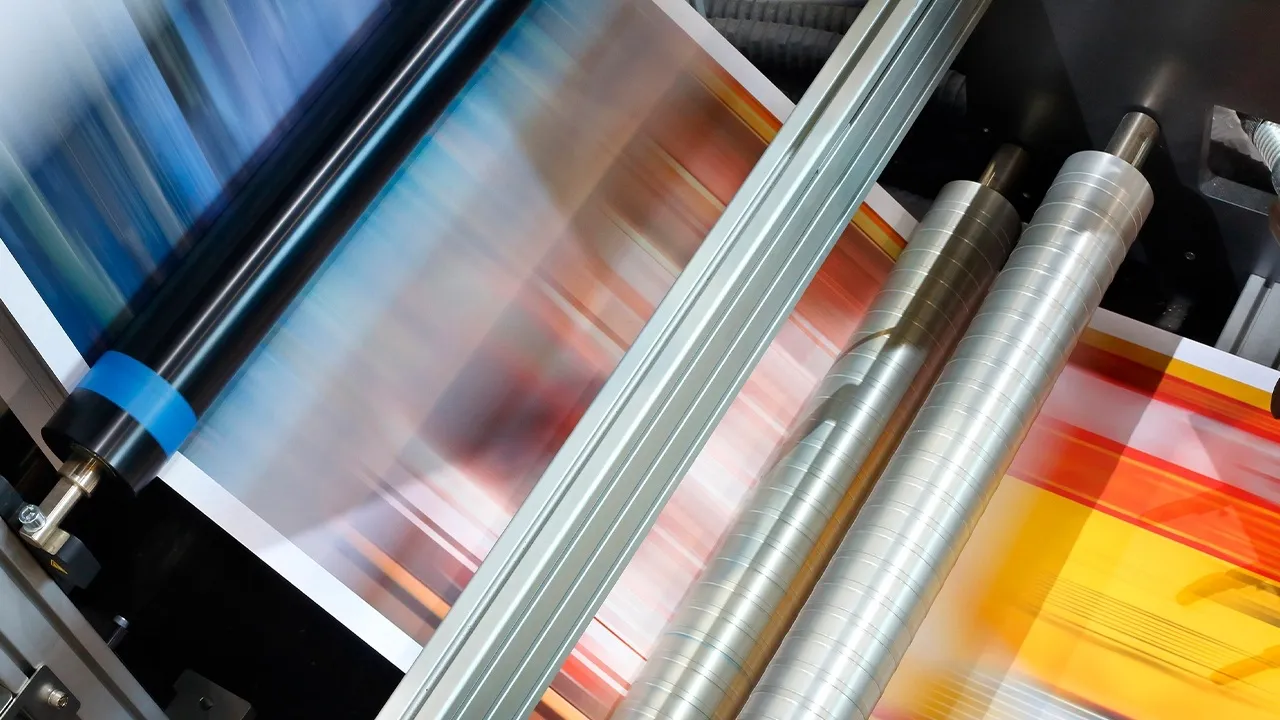
Con una planta de fabricación que ocupa aproximadamente 15.000 metros cuadrados, Stanley Package cuenta con equipos de producción avanzados, entre los que se incluyen: Máquinas automáticas de impresión en huecograbado de alta velocidad con eje electrónico de 10 colores, máquinas de laminación en seco de alta velocidad, máquinas de laminación sin disolventes de alta velocidad y equipos de recubrimiento y laminación por extrusión.
Para los proyectos de bolsas verticales, Stanley puede ayudar a los clientes desde la elaboración de las especificaciones y el diseño hasta la fase de muestras y la producción. Sus soluciones de bolsas a medida abarcan diferentes tamaños, materiales, procesos de impresión, cierres, ventanas, válvulas, boquillas y otros requisitos funcionales.
¿Buscas el tamaño adecuado para tu bolsa vertical?
Si estás buscando proveedores bolsas de pie personalizadas ya sea café, aperitivos, comida para mascotas, suplementos, productos en polvo, salsas, bebidas, cosméticos u otros productos, comparte tu tipo de producto, peso de llenado previsto, dimensiones deseadas y requisitos de envasado con el paquete Stanley.
Nuestro equipo puede ayudarle a evaluar la estructura y el tamaño adecuados de la bolsa, desarrollar muestras y ofrecerle una solución de envase flexible a medida para su empresa.
Ponte en contacto con Stanley Package hoy mismo para hablar sobre tu proyecto de envases verticales y solicitar una solución de envasado a medida.