اختيار الخيار المناسب مواد تغليف القهوة يُعد أمرًا بالغ الأهمية لحماية البن المحمص من الأكسجين والرطوبة والضوء وفقدان الرائحة. وبالنسبة لمحامصي البن والمستوردين والعلامات التجارية الخاصة والموزعين، فإن اختيار المواد لا يؤثر فقط على مدة الصلاحية، بل يؤثر أيضًا على أداء التغليف وجودة الطباعة والمظهر والمكانة الإجمالية للمنتج.
ومع ذلك، فإن مادة البولي إيثيلين تيريفثالات (PET) والبولي إيثيلين (PE) ورقائق الألومنيوم وورق الكرافت لا تخدم جميعها الغرض نفسه بالضبط. ففي معظم أكياس القهوة التجارية، يتم دمج هذه المواد في هيكل متعدد الطبقات بدلاً من استخدامها كل على حدة. ويمكن أن يساعد فهم دور كل مادة المشترين على اختيار هيكل التغليف المناسب لمنتجات القهوة الخاصة بهم.
ما الذي يجب أن تحمي منه مواد تغليف القهوة؟
القهوة المحمصة حساسة تجاه عدة عوامل بيئية. فالأكسجين يمكن أن يُسرّع عملية الأكسدة ويؤدي إلى تدهور النكهة والرائحة، في حين أن الرطوبة يمكن أن تؤثر على جودة القهوة وقوامها. كما يمكن للضوء أن يسهم في تدهور جودتها، لا سيما عند تعرض القهوة له لفترات طويلة.
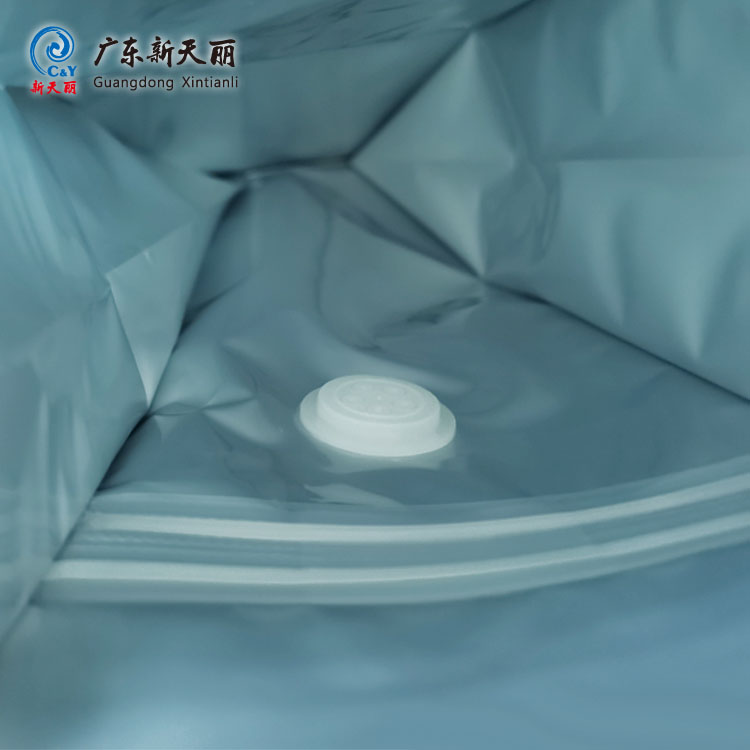
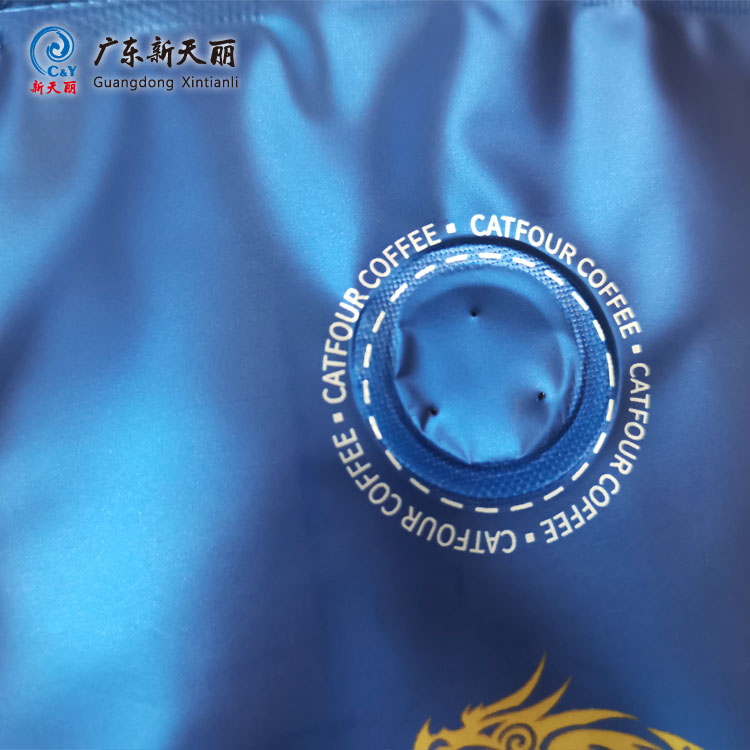
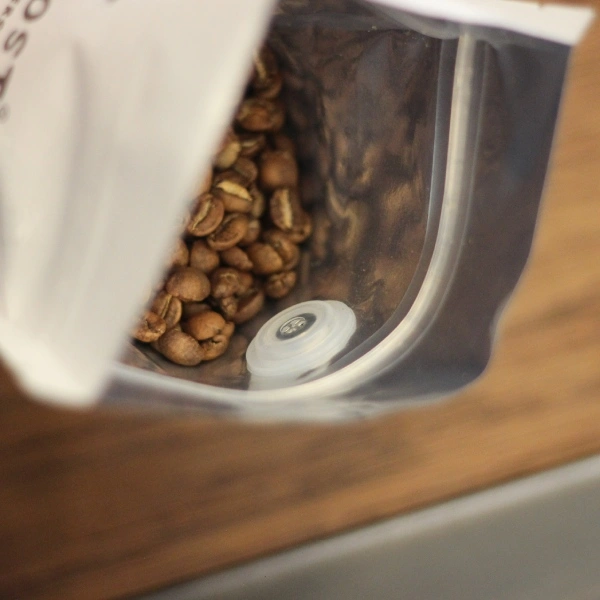
كما أن القهوة تطلق غاز ثاني أكسيد الكربون بعد تحميصها. ولهذا السبب، تستخدم العديد من عبوات القهوة صمامًا أحادي الاتجاه لإخراج الغازات، يتيح خروج غاز ثاني أكسيد الكربون مع منع دخول الهواء الخارجي إلى العبوة.
وبالنسبة للمشترين في قطاع الأعمال (B2B)، ينبغي أن تحقق بنية التغليف المثالية التوازن بين:
- أداء حاجز الأكسجين والرطوبة
- الحماية من الضوء
- قوة اللحام الحراري
- مقاومة الثقب والتعامل مع المنتج
- متطلبات الطباعة والعلامة التجارية
- توقعات مدة الصلاحية
- توافق معدات التعبئة والتغليف
- الاستدامة ومتطلبات السوق
PET: طبقة خارجية متينة وقابلة للطباعة
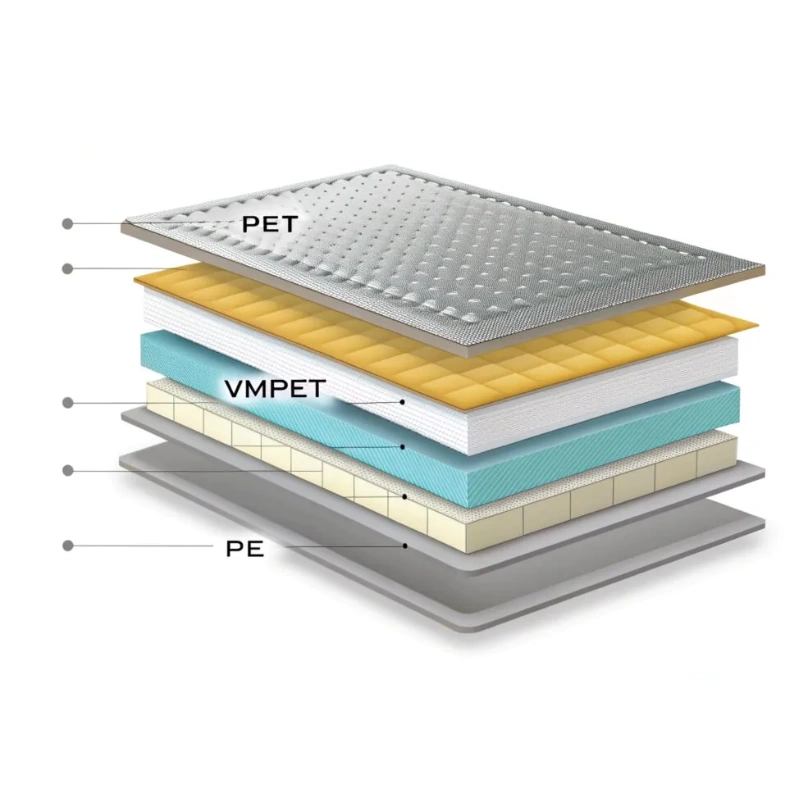
يُستخدم مادة البولي إيثيلين تيريفثاليت (PET) بشكل شائع كطبقة خارجية في عبوات القهوة المصفحة.
تتمثل إحدى المزايا الرئيسية في قوتها الميكانيكية. يوفر مادة البولي إيثيلين تيريفثالات (PET) ثباتًا جيدًا في الأبعاد ويساعد الكيس على تحمل عمليات المناولة والنقل والتكديس. كما يتميز بسطح أملس مناسب تمامًا للطباعة عالية الجودة، مما يجعله مفيدًا لعلامات القهوة التجارية التي تعتمد بشكل كبير على التصميمات الجرافيكية للتغليف.
لا يُختار البولي إيثيلين التيريفثالات (PET) عادةً بمفرده كطبقة حاجزة أساسية في تطبيقات القهوة التي تتطلب معايير صارمة. بل يتم دمجه مع مواد مثل رقائق الألومنيوم، أو الأغشية المعدنية، أو البولي إيثيلين (PE) لتشكيل هيكل تغليف متكامل.
بالنسبة للعلامات التجارية التي تبحث عن رسومات تفصيلية، أو لمسات نهائية فاخرة، أو مظهر متسق للتغليف، يمكن أن يُعد مادة PET طبقة خارجية فعالة.

PE: الطبقة الداخلية القابلة للختم بالحرارة
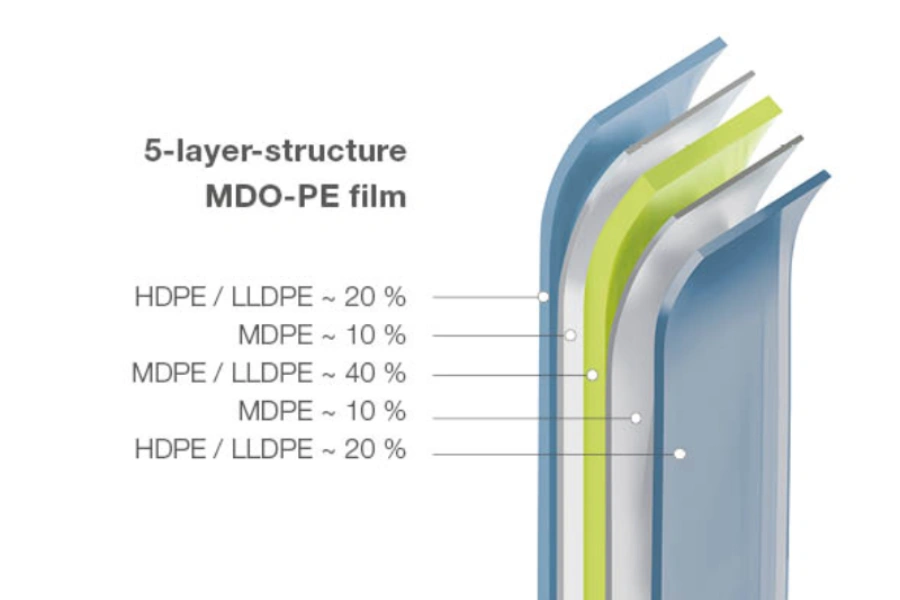
يُستخدم البولي إيثيلين (PE) على نطاق واسع كطبقة داخلية في عبوات القهوة المرنة، وذلك بفضل خصائصه الممتازة في الختم الحراري.
تشكل طبقة البولي إيثيلين (PE) الجزء من الكيس الذي يتلامس مع القهوة، وتساعد في تكوين إغلاقات محكمة وموثوقة. ويُعد الإغلاق الجيد أمرًا ضروريًّا، لأن حتى المواد ذات البنية العالية الحاجزة قد تعطي أداءً ضعيفًا إذا كانت إغلاقات الكيس النهائي ضعيفة أو غير متسقة.
كما يوفر البولي إيثيلين (PE) مرونة ويساعد في حماية العبوة أثناء التعبئة والنقل.
ولهذا السبب، غالبًا ما يتم دمج البولي إيثيلين (PE) مع البولي إيثيلين تيريفثالات (PET) أو رقائق الألومنيوم أو الأغشية المعدنية أو الورق في هياكل تغليف القهوة المصفحة.

ورق الألمنيوم: أقصى حماية عازلة
تُعد رقائق الألومنيوم من أكثر مواد الحاجز فعاليةً المتاحة لتغليف القهوة. فهي توفر حماية قوية ضد الأكسجين والرطوبة والضوء، مما يجعلها مناسبة للاستخدامات التي تُعد فيها الحفاظ على نضارة القهوة خلال فترة توزيع طويلة أولويةً.
من البنى الشائعة ذات الحاجز العالي بنية PET/AL/PE. وفي هذه البنية:
- حيوان أليف يوفر المتانة وسطحًا خارجيًا قابلًا للطباعة.
- رقائق الألومنيوم يوفر حاجزًا قويًّا ضد الضوء والأكسجين والرطوبة.
- بى بى يوفر الختم الحراري والطبقة الملامسة للأغذية.
يُعد هذا النوع من العبوات مناسبًا بشكل خاص للقهوة المحمصة التي تتطلب حماية قوية من العوامل الخارجية وضمان مدة صلاحية أطول.
وتكمن المعضلة الرئيسية في أن الهياكل المصنوعة من رقائق الألومنيوم أكثر تعقيدًا من الهياكل البلاستيكية البسيطة، وقد لا تتناسب مع استراتيجية الاستدامة أو متطلبات التغليف الخاصة بكل علامة تجارية.

ورق كرافت: المظهر الطبيعي ومكانة العلامة التجارية
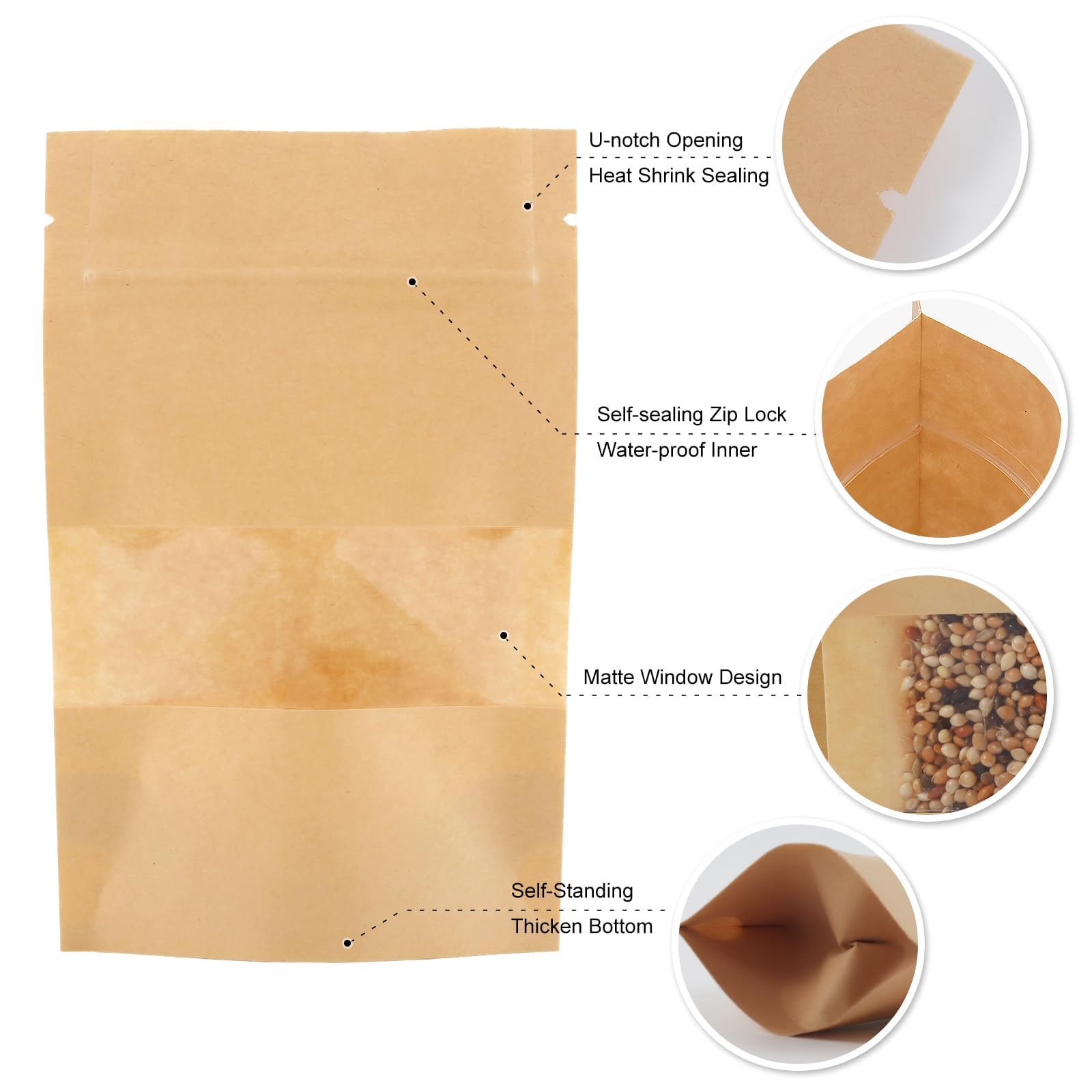
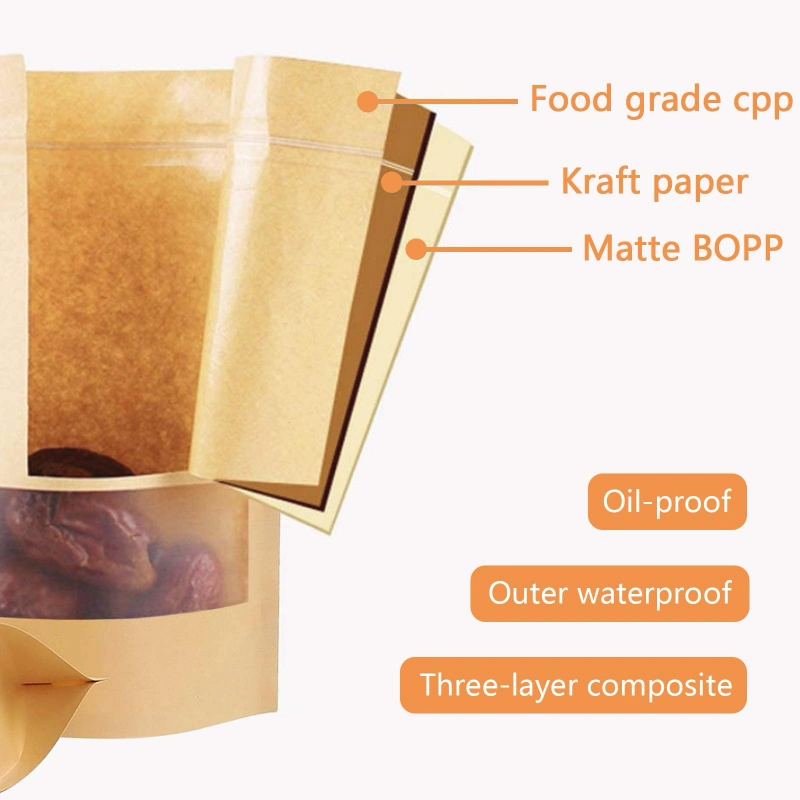
يتزايد استخدام ورق الكرافت في تغليف القهوة بفضل مظهره الطبيعي الفاخر. ويمكن أن يساعد ذلك العلامات التجارية المتخصصة في القهوة على إظهار صورة علامة تجارية تعكس الطابع الحرفي أو العضوي أو الوعي البيئي.
ومع ذلك، فإن ورق الكرافت وحده لا يوفر الأداء الحاجز المطلوب عادةً لتغليف البن المحمص التجاري. ولذلك، يُغلف عادةً بأغشية حاجزة أو رقائق ألومنيوم وطبقة داخلية قابلة للختم بالحرارة.
على سبيل المثال، قد تجمع كيس القهوة المصنوع من ورق الكرافت بين طبقة خارجية من ورق الكرافت وبنية داخلية عالية الحاجز. وهذا يتيح للعلامات التجارية تحقيق المظهر الجذاب للورق مع الحفاظ في الوقت نفسه على الحماية الوظيفية المطلوبة للقهوة.
بالنسبة لمحامصي البن المتخصصين والعلامات التجارية الخاصة، يمكن أن تُعد العبوات المصنوعة من ورق الكرافت خيارًا فعالاً عندما يكون المظهر على الرف بنفس أهمية أداء الحاجز.
البولي إيثيلين تيريفثالات (PET) مقابل البولي إيثيلين (PE) مقابل رقائق الألومنيوم مقابل ورق الكرافت
| المواد | الدور الرئيسي | الميزة الرئيسية | تطبيق نموذجي |
|---|---|---|---|
| حيوان أليف | الطبقة الخارجية | المتانة وقابلية الطباعة | أكياس قهوة مطبوعة حسب الطلب |
| بى بى | الطبقة الداخلية | اللحام الحراري والمرونة | الطبقة الملامسة للأغذية وطبقة الإغلاق |
| رقائق الألومنيوم | طبقة العازلة | حاجز ممتاز ضد الضوء والأكسجين والرطوبة | عبوات القهوة عالية الحاجز |
| ورق كرافت | الطبقة الخارجية | مظهر طبيعي وفاخر | ماركات القهوة المتخصصة والفاخرة |
النقطة المهمة هي أنه لا ينبغي للمشترين اختيار مواد تغليف القهوة بناءً على المظهر وحده. بل يجب أن تتناسب بنية التغليف النهائية مع نوع القهوة، ومدة الصلاحية المتوقعة، وطريقة التعبئة، وظروف النقل، والسوق المستهدفة.
كيفية اختيار هيكل التغليف المناسب للقهوة
عند شراء عبوات القهوة، ينبغي على المشترين أولاً تحديد متطلبات المنتج والمتطلبات التجارية.
1. ضع في اعتبارك شكل القهوة
قد تختلف متطلبات التعبئة والتغليف بين حبوب البن المحمصة الكاملة والبن المطحون. وينبغي أخذ كل من كمية ثاني أكسيد الكربون المنبعثة بعد التحميص، وخصائص الجسيمات، وظروف التعبئة، ومدة الصلاحية المتوقعة في الاعتبار.
2. تحديد مستوى الحاجز المطلوب
إذا كان القهوة يحتاج إلى حماية قوية ضد الأكسجين والرطوبة والضوء، فقد يكون من المناسب استخدام مادة مغلفة ذات حاجز عالي. ويمكن النظر في استخدام رقائق الألومنيوم أو طبقات الحاجز المعدنية، اعتمادًا على الأداء المطلوب واستراتيجية التعبئة والتغليف.
3. مواءمة الكيس مع عملية التعبئة
يجب أن يتوافق هيكل العبوة وشكل الكيس مع معدات التعبئة الخاصة بالعميل. فقد تختلف متطلبات الإنتاج والتعبئة باختلاف أنواع الكيس، مثل الأكياس القائمة ذات القاعدة المسطحة، والأكياس ذات القاع المسطح، والأكياس ذات الجوانب الموسعة، والأكياس الملفوفة.
4. النظر في العلامة التجارية وطريقة عرض المنتجات في متاجر البيع بالتجزئة
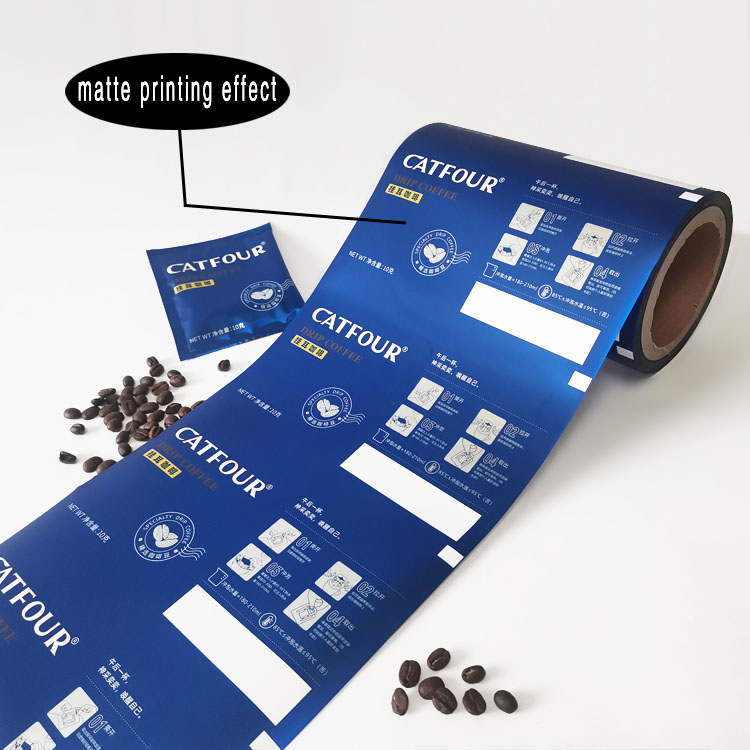
يوفر مادة البولي إيثيلين تيريفثالات (PET) سطحًا أملسًا قابلًا للطباعة، في حين أن ورق الكرافت يمكن أن يضفي مظهرًا أكثر طبيعية. وينبغي على العلامات التجارية تقييم خيارات الطباعة، والتشطيبات غير اللامعة أو اللامعة، والألوان المخصصة، والمتطلبات الزخرفية الأخرى جنبًا إلى جنب مع اختيار المواد.
5. ناقش خيارات المواد مع المورد الخاص بك
شخص ذو خبرة مورد أكياس القهوة ينبغي أن يكونوا قادرين على اقتراح هيكل رقائقي مناسب بدلاً من الاكتفاء بتقديم تركيبة مواد محددة مسبقًا. ويجب على المشترين تقديم معلومات حول نوع القهوة، وحجم العبوة، ومدة الصلاحية المستهدفة، وعملية التعبئة، وظروف التوزيع، ومتطلبات السوق قبل تأكيد الهيكل النهائي.
لماذا يجب التعامل مع مورد أكياس قهوة ذي خبرة؟
تغليف القهوة لا يقتصر الأمر مجرد اختيار البلاستيك أو رقائق الألومنيوم أو الورق. فأداء الكيس النهائي يعتمد على البنية الكاملة للمواد، وعملية التصفيح، والطباعة، والختم، وتصميم الكيس، بالإضافة إلى الميزات الاختيارية مثل السحابات وصمامات إخراج الغازات.
يمكن أن يساعد العمل مباشرةً مع شركة مصنعة ذات خبرة في مجال التغليف المرن علامات القهوة التجارية على تقييم هذه العوامل معًا وتطوير تغليف يتناسب مع متطلبات منتجاتها وعمليات إنتاجها.
نبذة عن باقة ستانلي
تأسست عام 1998, باقة ستانلي هو مُصنِّع العبوات المرنة المخصصة متخصصون في أكياس التغليف المصممة حسب الطلب وأغشية التغليف الملفوفة. وبفضل أنظمة الطباعة والتصفيح والطلاء بالبثق ومعالجة المركبات العضوية المتطايرة (VOC) المتطورة، نقدم حلول تغليف موثوقة لعلامات القهوة التجارية ومحامص القهوة والمستوردين والموزعين.