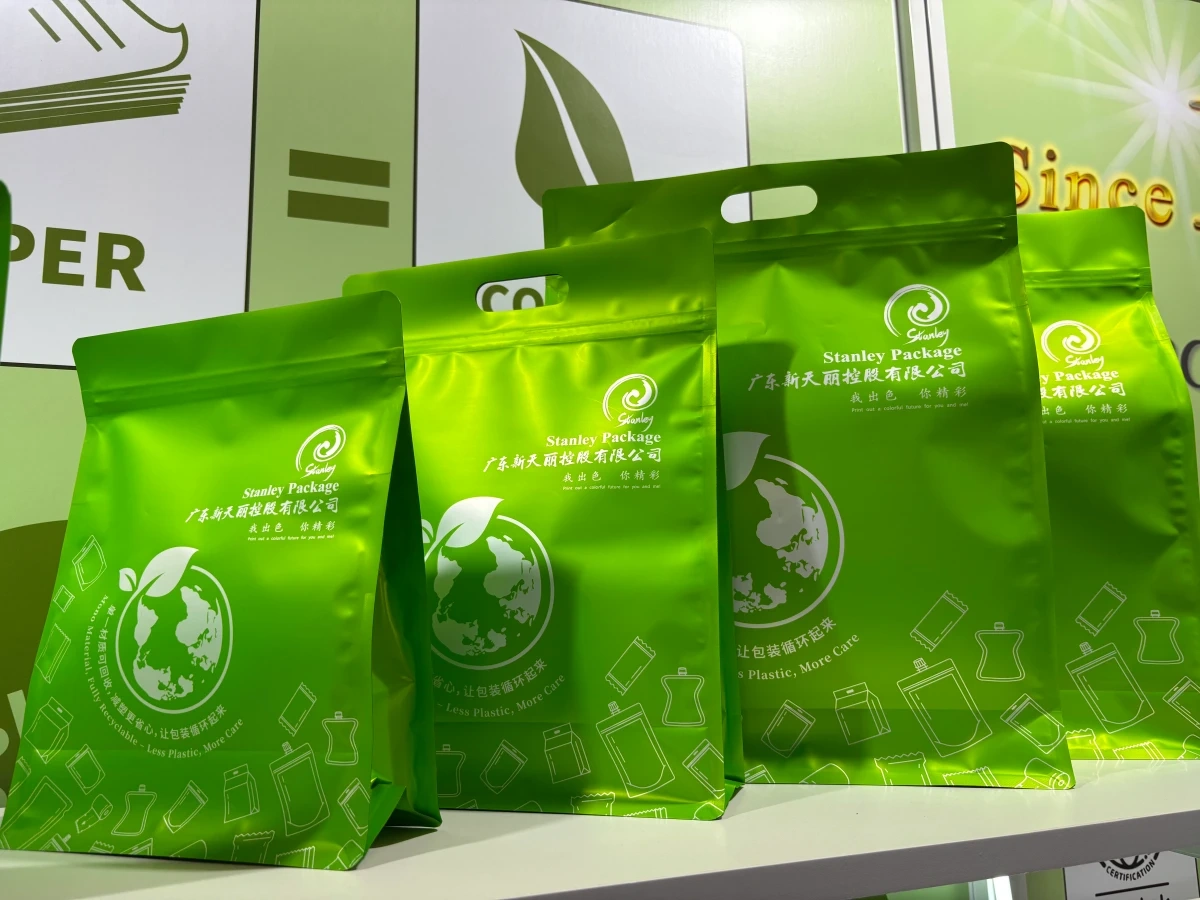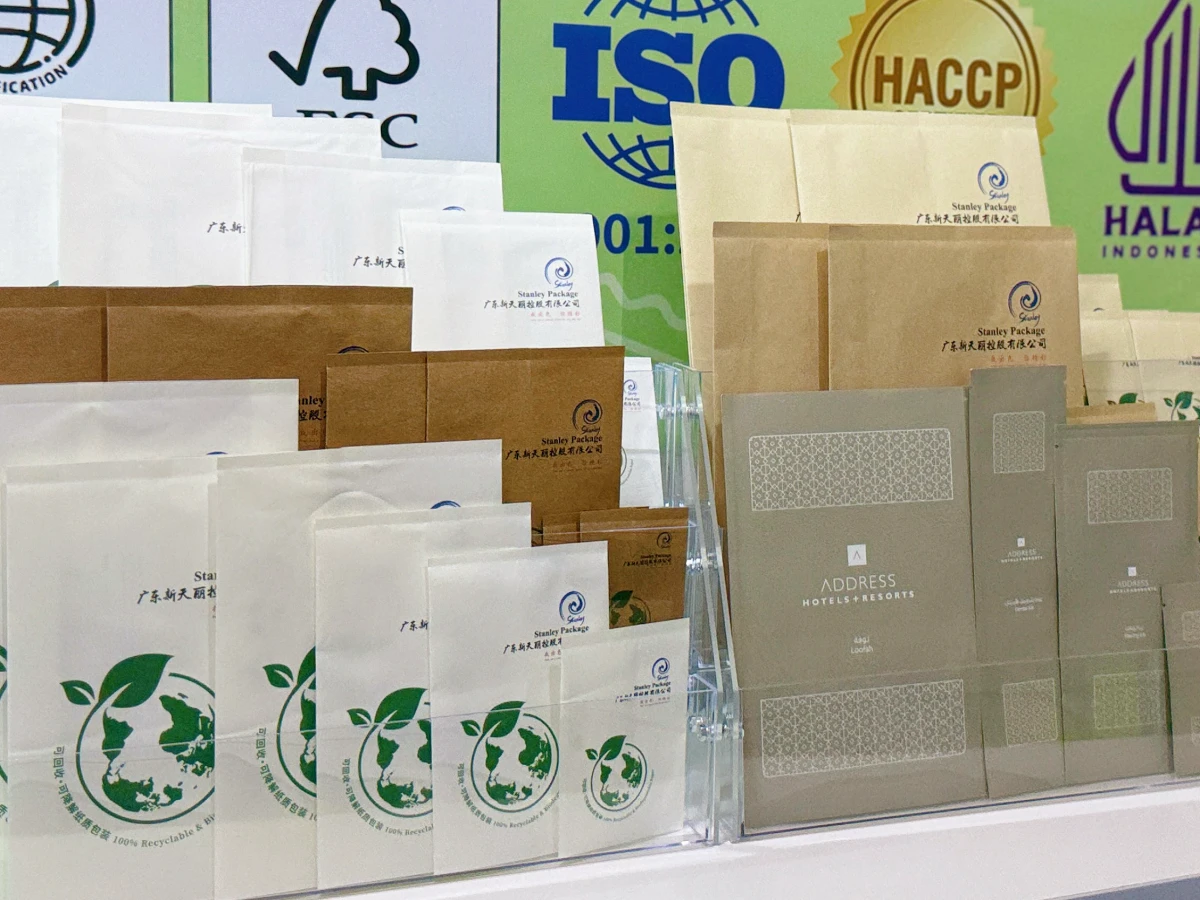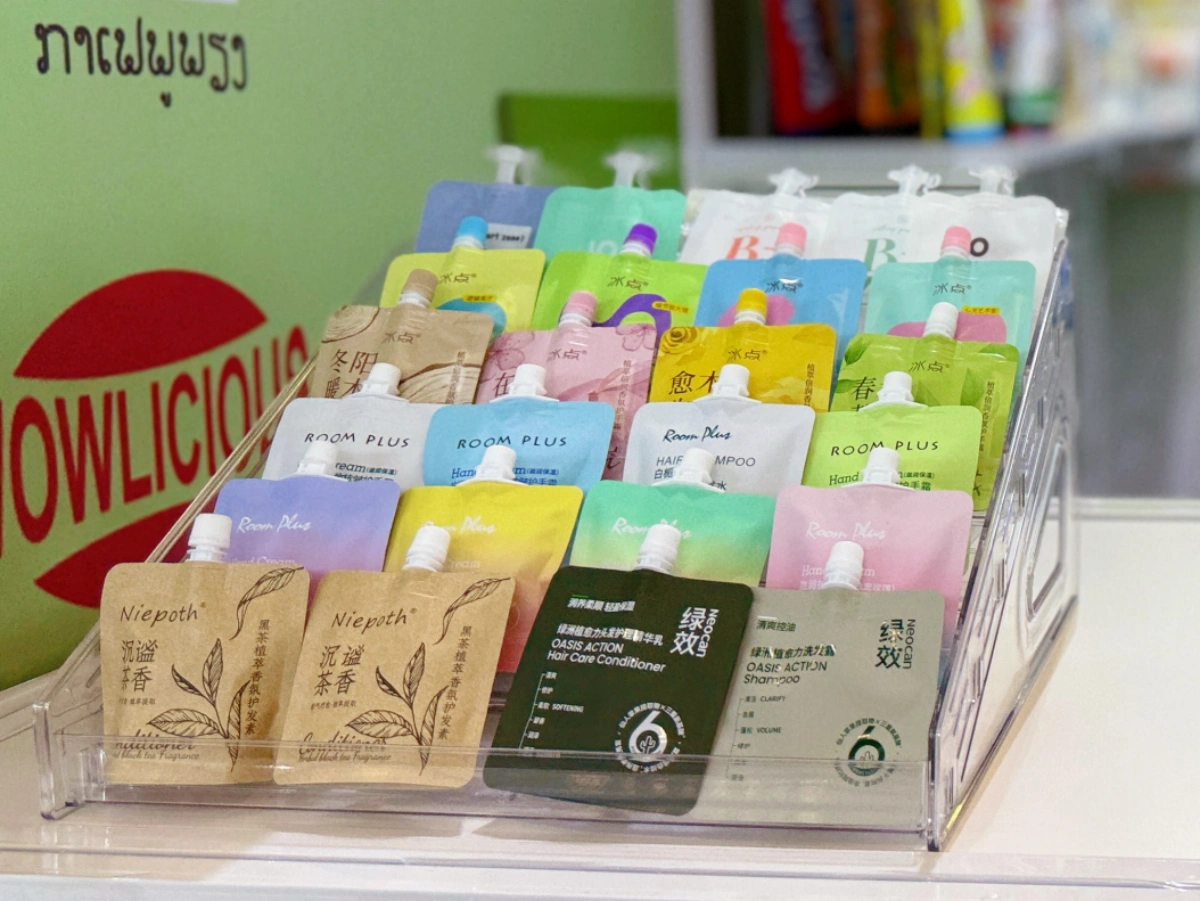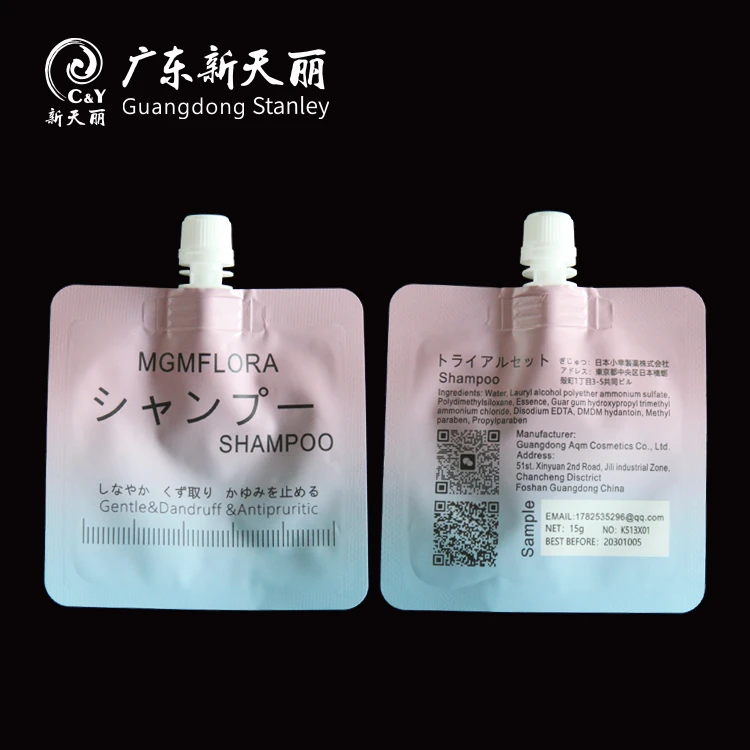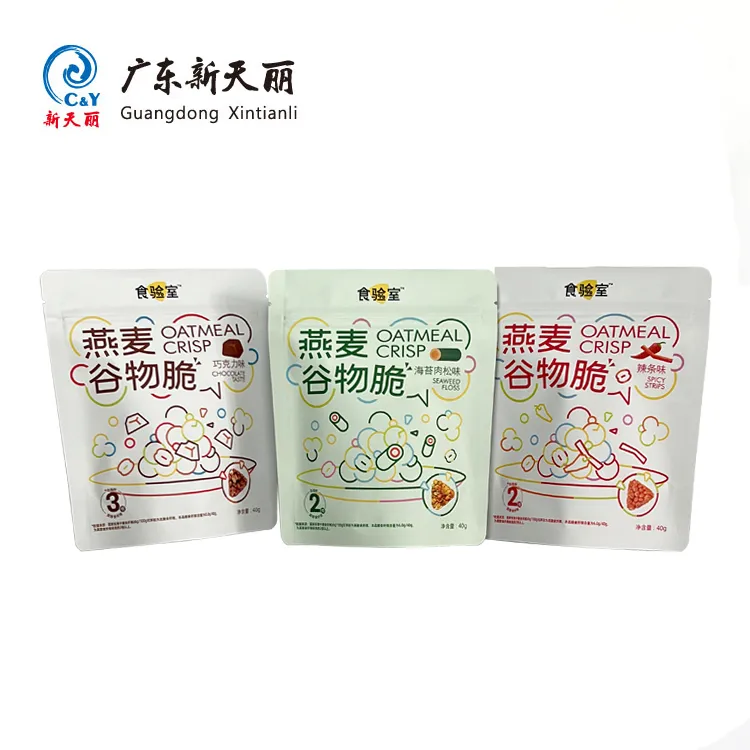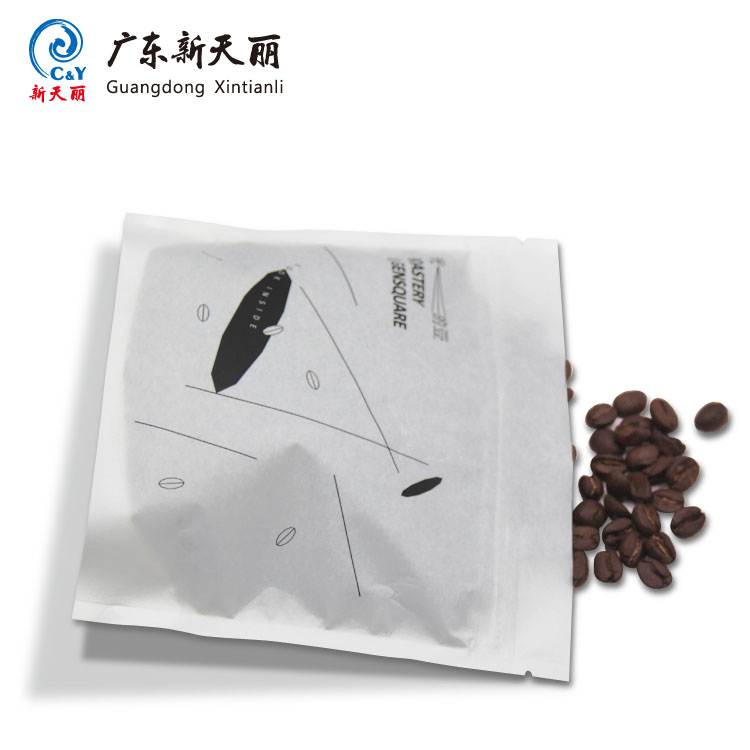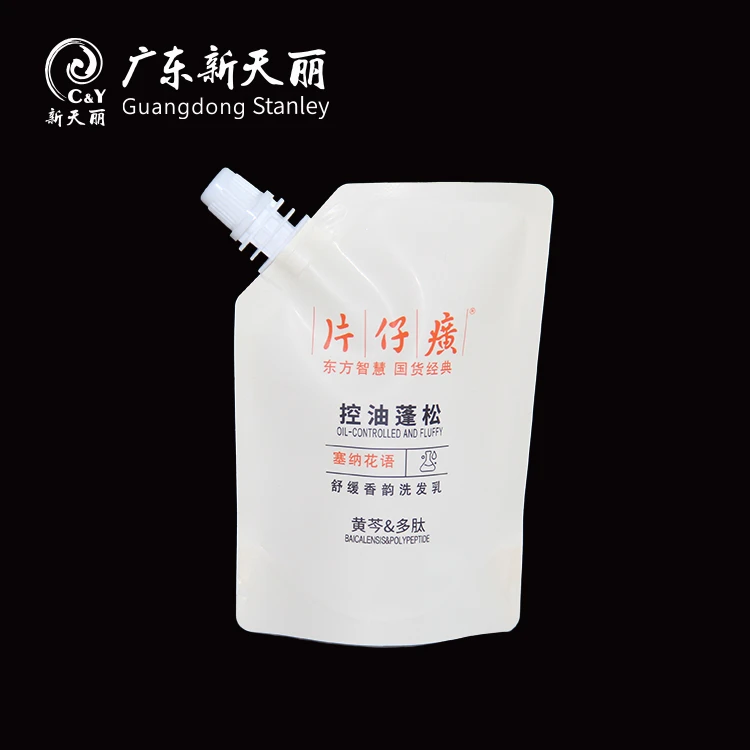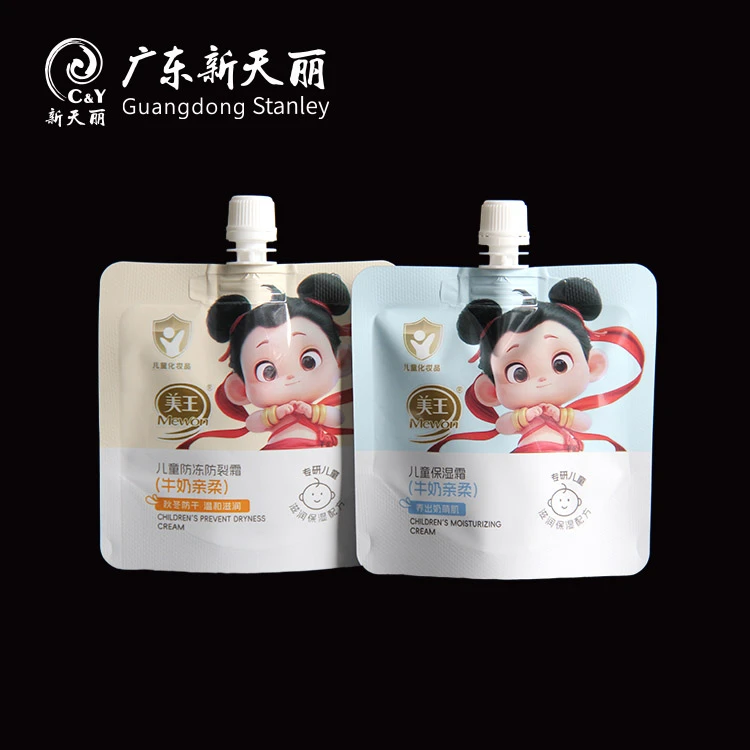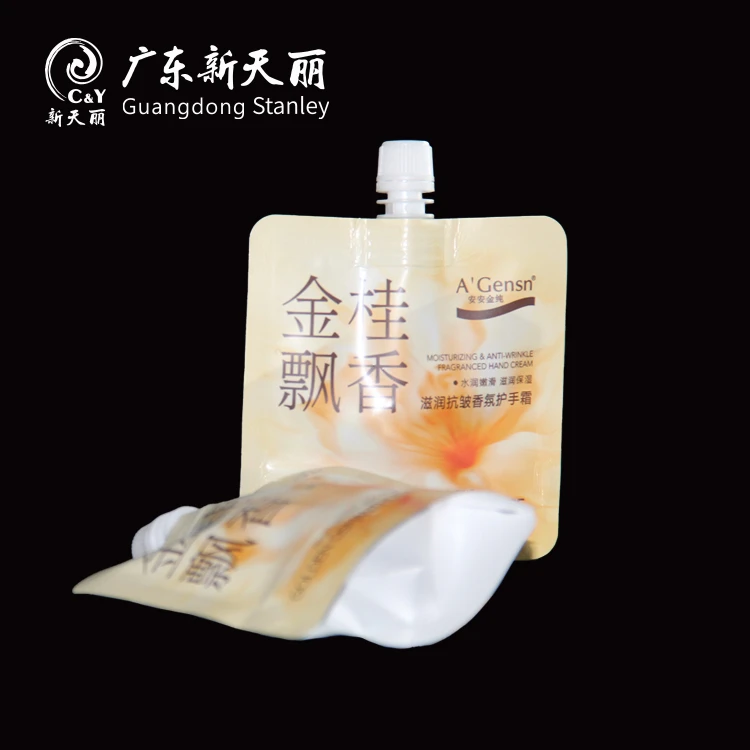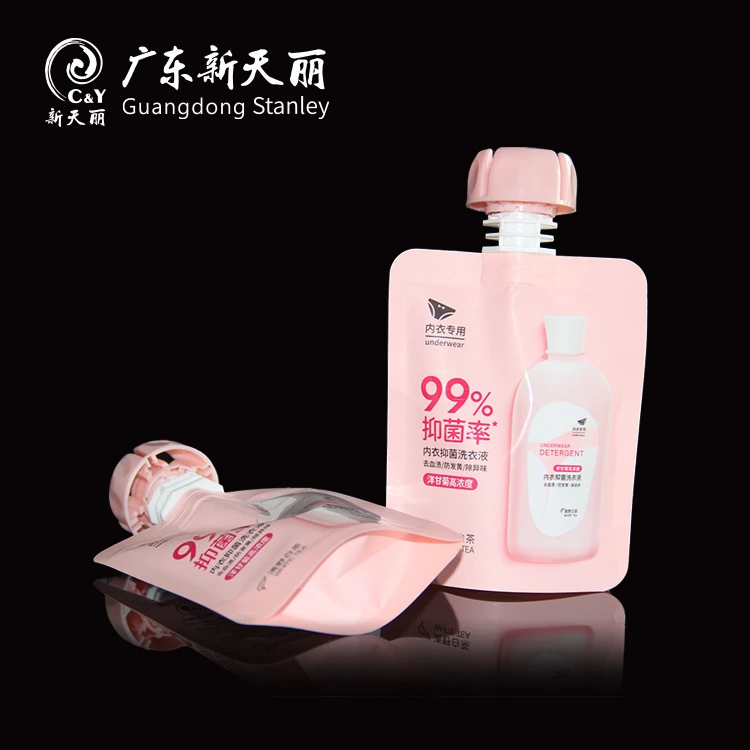
Flexible packaging is widely used due to its lightweight design, space-saving benefits in transport, and low production energy consumption. Many assume it is inherently “eco-friendly,” but there are several misconceptions. This article clarifies the myths and highlights how to choose truly sustainable flexible packaging solutions.

Is Flexible Packaging Really Eco-Friendly? Myths and Truths

Myth 1: All Flexible Packaging Is Recyclable

It’s a common assumption that all flexible packaging can be easily recycled. In reality, most traditional flexible packaging consists of multi-layer laminates, combining plastic, aluminum foil, and paper. Such structures are difficult to process in standard recycling systems and may contaminate other recyclable materials if disposed of incorrectly.

The Truth:

  • The recyclability of flexible packaging depends on material type and local recycling infrastructure.
  • Single-material films (like PE or PP) are easier to recycle, while multi-layer laminates usually require specialized or industrial recycling.
  • Leading manufacturers design recyclable flexible packaging using single-material films to ensure that packaging can truly enter the recycling stream.

Myth 2: Lightweight Means Eco-Friendly

While lightweight packaging reduces transportation carbon emissions, sustainability is more than just weight. Even lightweight packaging can have a significant environmental impact if it cannot be recycled or composted.

The Truth:

  • Truly sustainable flexible packaging requires a full lifecycle assessment (LCA), from production to disposal.
  • Professional manufacturers optimize materials and structures to balance lightweight design with recyclability, making packaging both low-carbon and sustainable.

Myth 3: Compostable Packaging Automatically Equals Green

Many flexible packages are labeled “compostable,” but they often only fully degrade under industrial composting conditions. Disposal in household waste or natural environments usually prevents proper degradation.

The Truth:

  • Compostable packaging should meet international certification standards such as EN13432 或 ASTM D6400.
  • Experienced manufacturers ensure that compostable flexible packaging degrades efficiently in industrial facilitieswhile maintaining product performance and user experience.

Flexible Packaging Is Sustainable, But With Conditions

The eco-friendliness of flexible packaging depends on material structure, recycling systems, composting conditions, and lifecycle management. Truly sustainable flexible packaging typically has the following characteristics:

  1. Single-material recyclable films or certified compostable materials;
  2. Compliance with international recycling or composting standards;
  3. Environmental optimization from production to disposal.

Partnering with a reliable 软包装制造商 allows businesses to control materials and processes from the start, ensuring packaging is functional, lightweight, and sustainable. 斯坦利套餐, an experienced flexible packaging manufacturer, offers a wide range of recyclable and compostable solutions to help clients achieve a greener supply chain and fulfill corporate social responsibility goals.

If you’re looking for professional, sustainable flexible packaging solutions, collaborating with 斯坦利套餐 is an ideal choice. From material selection and design optimization to recycling and composting support, our manufacturing team ensures every package balances functionality with environmental value.

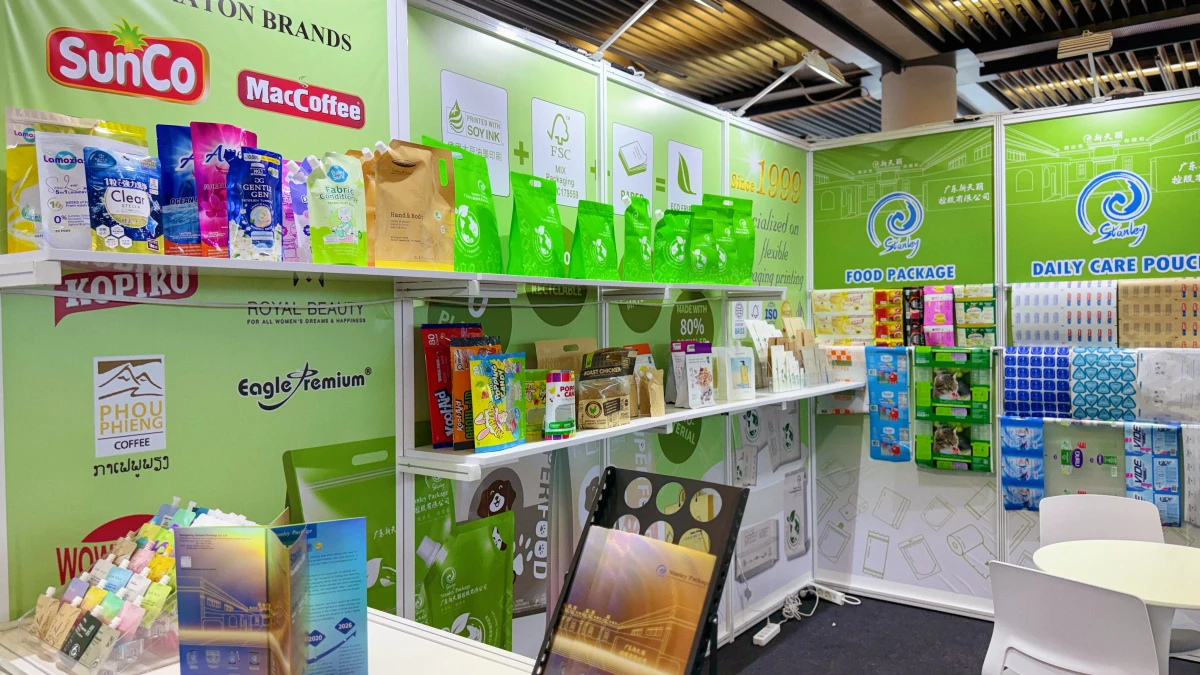
Stanley Package at Interpack 2026, Sustainable Packaging Solutions

立即联系我们

新天丽专注于定制化软包装解决方案,致力于为您提供高品质、一站式的定制印刷包装袋服务。
+86-13727046097[email protected]中国广东省潮州市东凤镇内潘工业区

立即联系我们

新天丽专注于定制化软包装解决方案,致力于为您提供高品质、一站式的定制印刷包装袋服务。
+86-13727046097[email protected]中国广东省潮州市东凤镇内潘工业区

搜索感兴趣者