In today’s flexible packaging industry, brands are facing a critical decision:
Should you choose mono-material packaging for sustainability, or multi-layer structures for performance?
The answer isn’t always straightforward.
This guide breaks down the real differences in cost, functionality, and environmental impact, helping procurement teams, product managers, and brand owners make informed decisions.
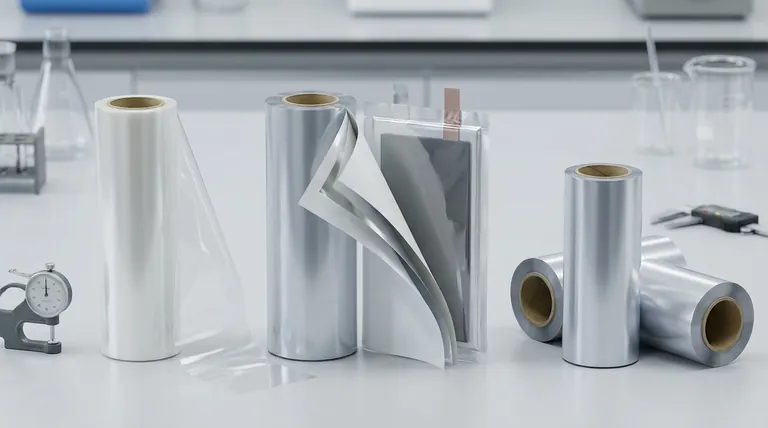
What Is Mono-Material Packaging?
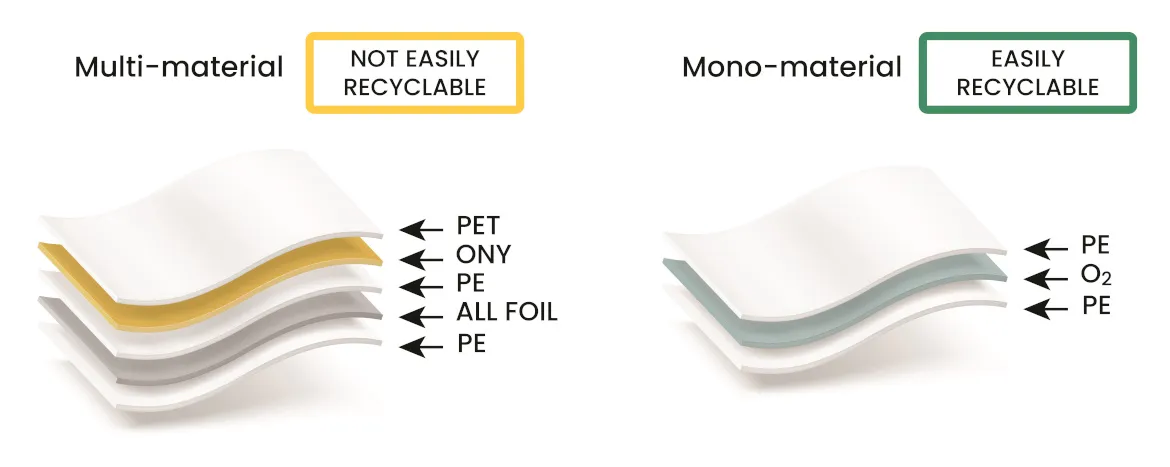
Mono-material packaging is made from a single type of polymer, typically PE (polyethylene) or PP (polypropylene).
Because it uses one material family, it is easier to recycle within existing waste systems.
Key Advantages:
- Easier recyclability
- Lower environmental impact (in theory)
- Compliance with upcoming packaging regulations
制限:
- Lower barrier performance
- Limited protection against oxygen and moisture
- Not ideal for sensitive or long-shelf-life products
What Is Multi-Layer Packaging?
Multi-layer packaging combines two or more materials (e.g., PET / ALU / PE) to achieve high performance.
Each layer serves a specific function:
- Barrier protection
- Mechanical strength
- Sealability
Key Advantages:
- Excellent oxygen and moisture barrier
- Longer shelf life
- Suitable for complex or sensitive products
制限:
- Difficult to recycle
- Higher material complexity
- Increasing regulatory pressure
Cost Comparison: Short-Term vs Long-Term
Mono-Material Packaging
- Lower material complexity
- Potentially lower recycling fees in the future
- May require thicker films to compensate for performance
👉 Result:
Lower compliance risk, but not always the cheapest upfront
Multi-Layer Packaging
- Optimized material usage
- Strong performance reduces product loss
- Mature supply chain
👉 Result:
More cost-efficient for high-performance needs today
Performance Comparison
| Factor | Mono-Material | Multi-Layer |
|---|---|---|
| バリア保護 | Medium | High |
| Shelf Life | Short to Medium | Medium to Long |
| Durability | 中程度 | Strong |
| Product Compatibility | Limited | Very Broad |
👉 Key insight:
If your product is sensitive (e.g., liquids, oxygen-sensitive goods),
multi-layer is still the safer choice.
Sustainability: What Really Matters?
Sustainability is where mono-material packaging stands out—but with nuance.
Mono-Material
✔ Designed for recyclability
✔ Supports circular economy goals
BUT:
- Recycling infrastructure is still evolving
- Performance trade-offs may increase food waste
Multi-Layer
❌ Hard to recycle
✔ Reduces product spoilage
👉 Important truth:
A package that prevents waste can sometimes be more sustainable than one that is recyclable but less protective.
When Should You Choose Mono-Material?
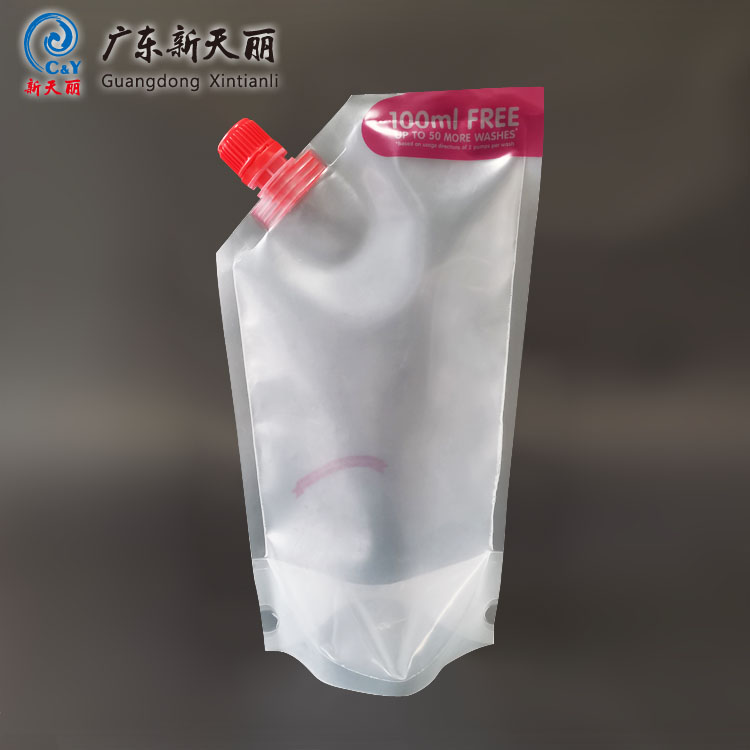
Mono-material packaging is ideal when:
- Your product has low barrier requirements
- You are targeting eco-conscious markets
- Compliance with future regulations is a priority
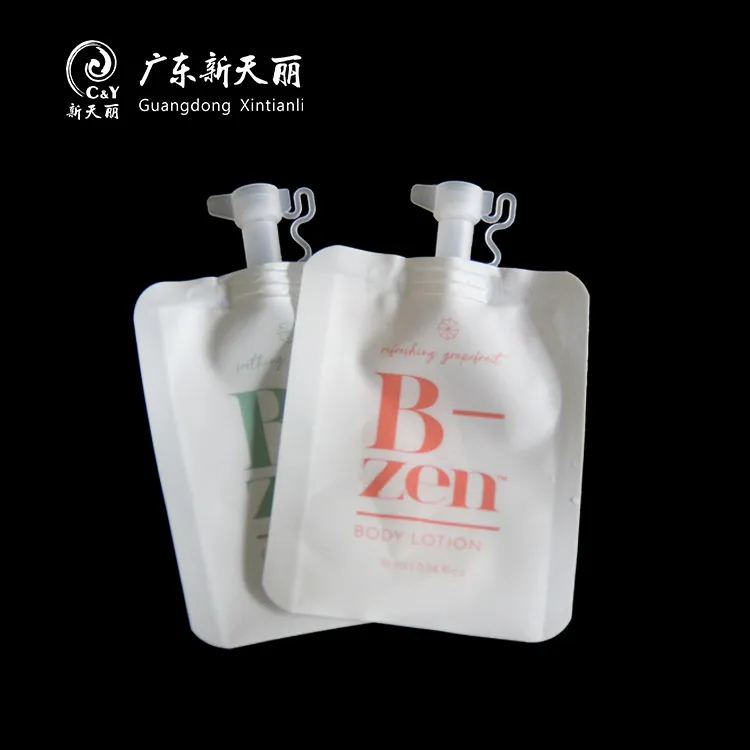
When Should You Choose Multi-Layer?
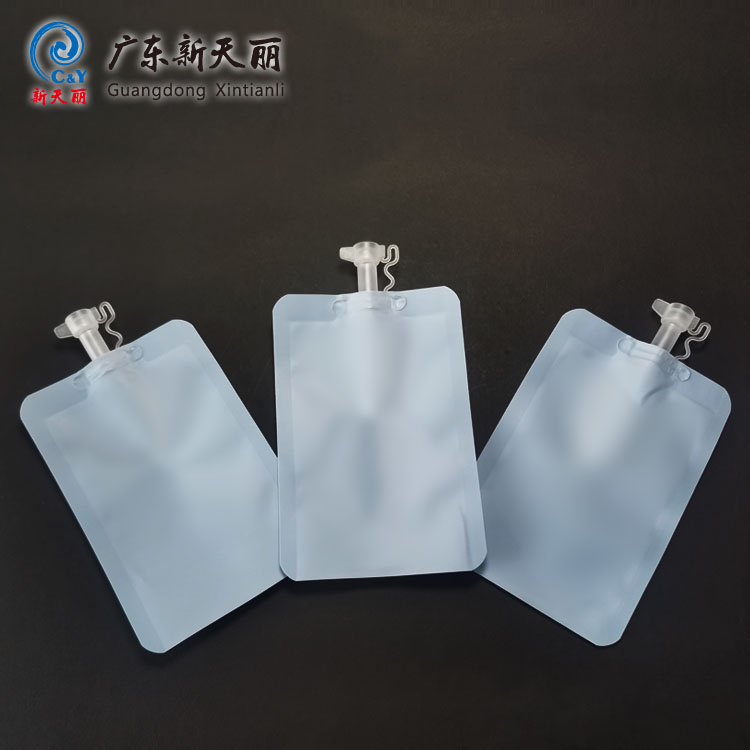
Multi-layer structures are better when:
- Product protection is critical
- Shelf life must be extended
- You need high-performance packaging for logistics and storage
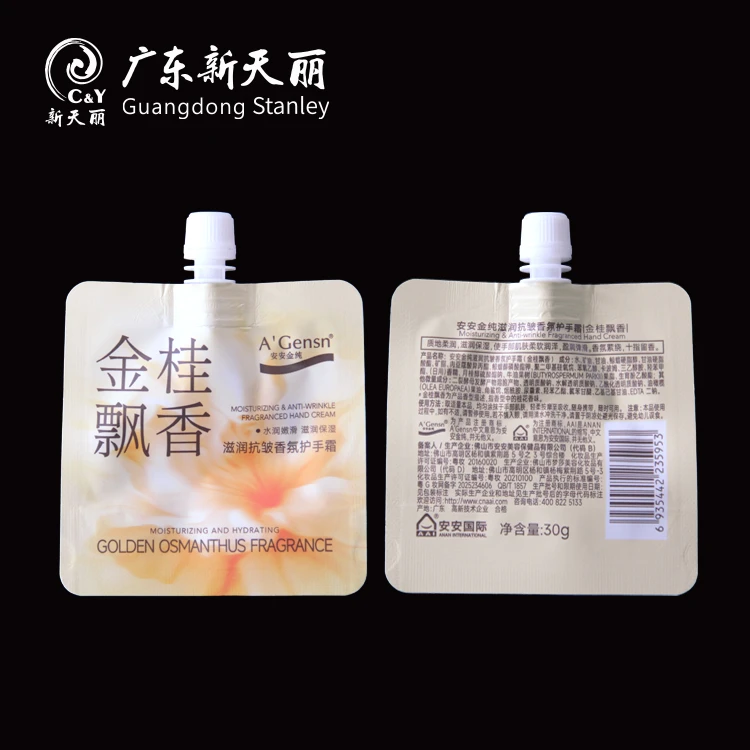
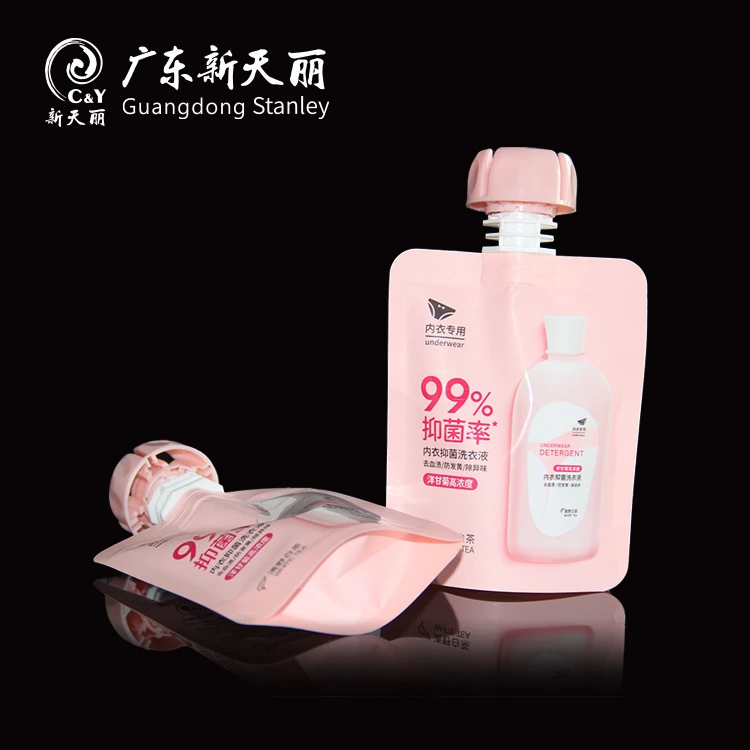
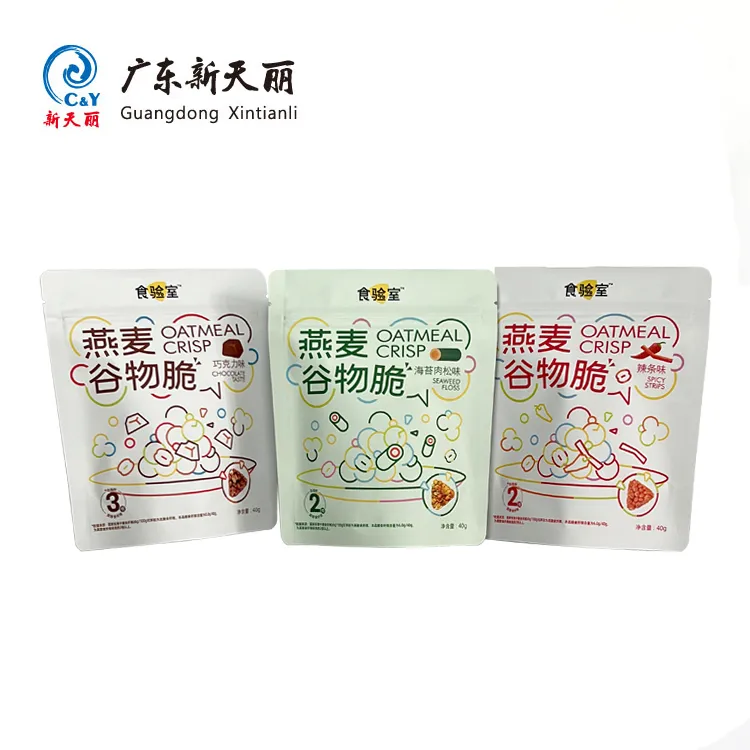
The Hybrid Future: Bridging Performance and Sustainability
The industry is rapidly evolving toward:
- Recyclable high-barrier mono-material films
- Advanced coating technologies
- Reduced material structures
At Stanley Package, we see more brands adopting a balanced approach:
👉 Optimize performance first, then improve sustainability step by step.
Final Thoughts
There is no one-size-fits-all solution.
Choosing between mono and multi-layer packaging depends on:
- Product type
- Supply chain conditions
- Sustainability goals
- Cost structure
The smartest brands don’t chase trends—they choose fit-for-purpose packaging.
Work With Stanley Package
で スタンレー・パッケージ, we help brands navigate complex packaging decisions with data-driven recommendations and customized solutions.
Whether you’re exploring mono-material sustainability upgrades or optimizing high-performance multi-layer structures, our team can support you with:
- Tailored material selection
- Cost-performance analysis
- Custom printed flexible packaging solutions
👉 Let’s build the right packaging for your product and your market.
Contact us today to start your custom project.