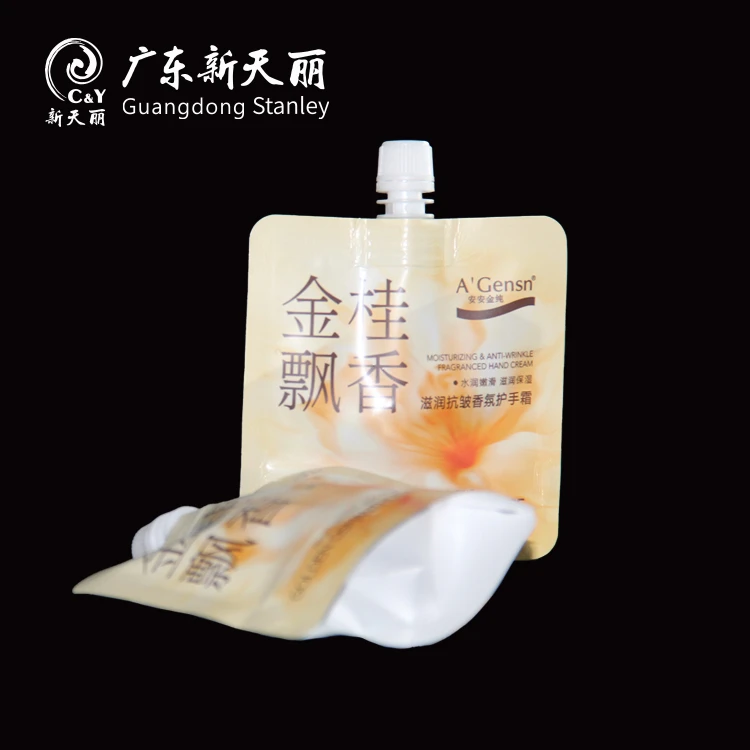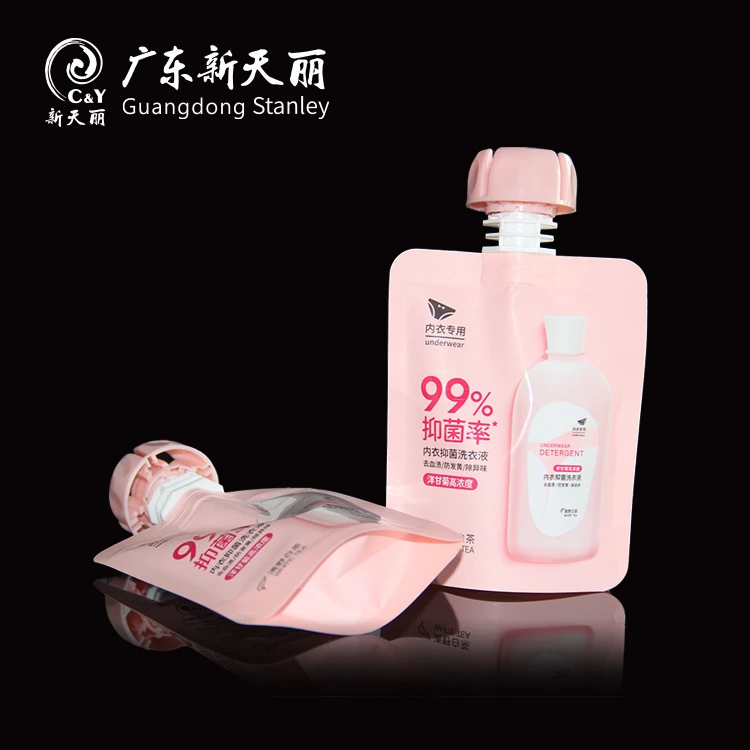
Spout pouch packaging for functional beverages provides a lightweight, high-barrier, and lower-carbon alternative to rigid plastic bottles, with measurable advantages in material use, logistics, and shelf life.
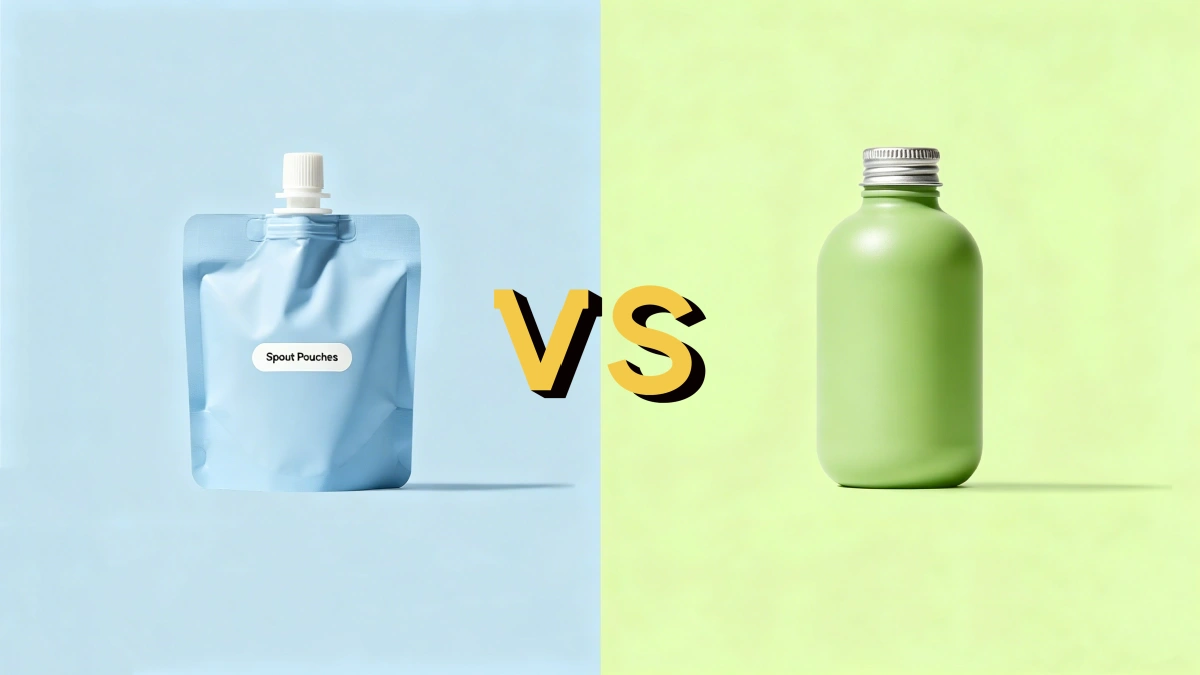
What Is a Spout Pouch?
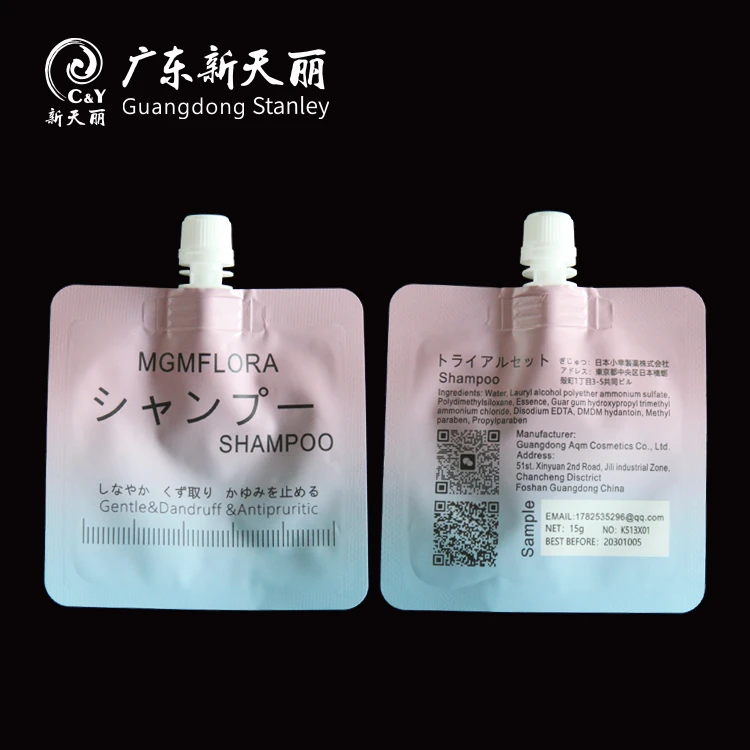
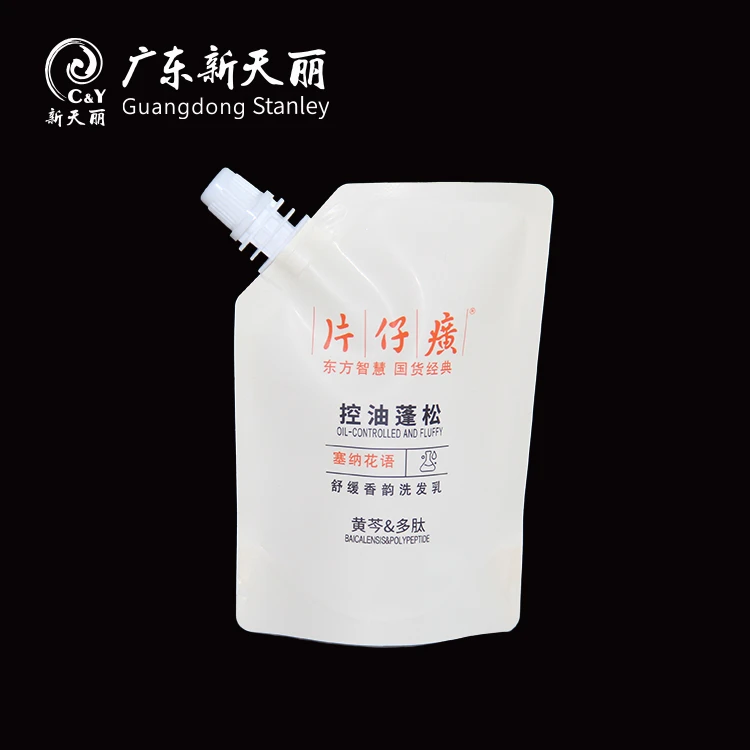
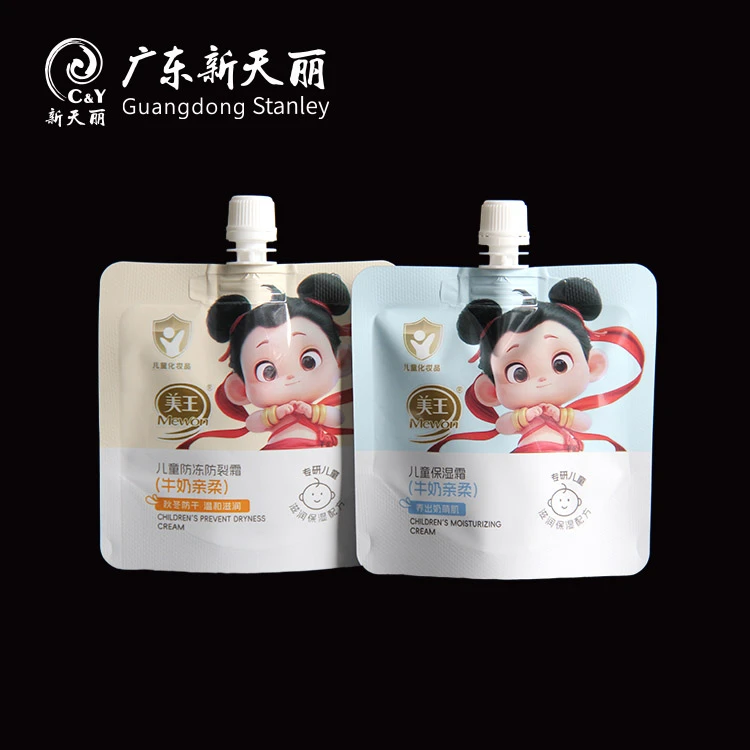
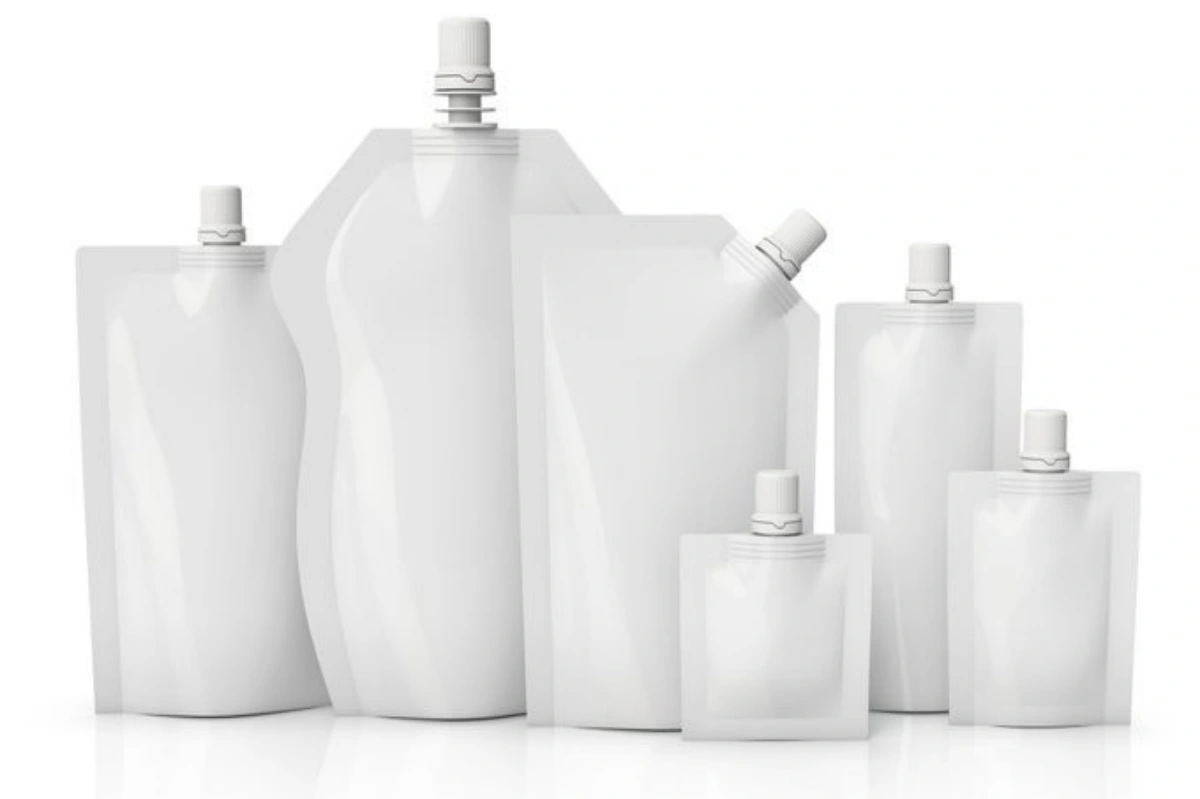
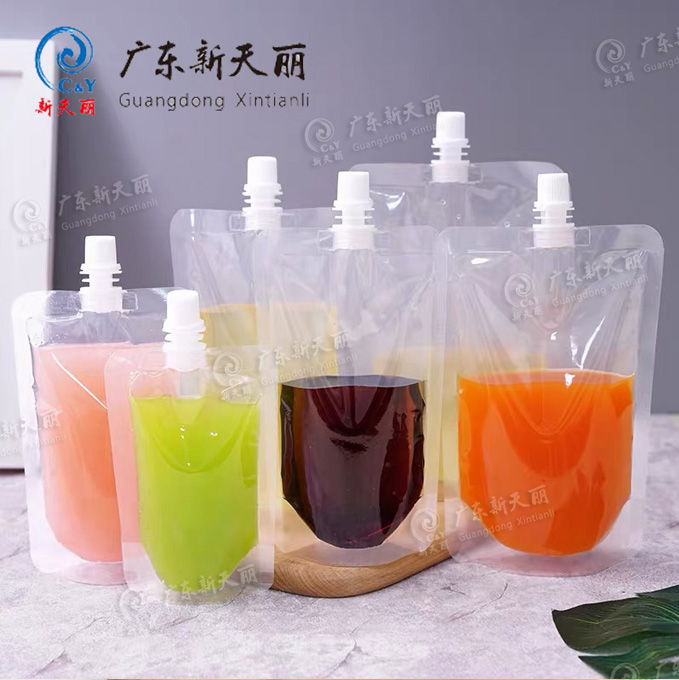
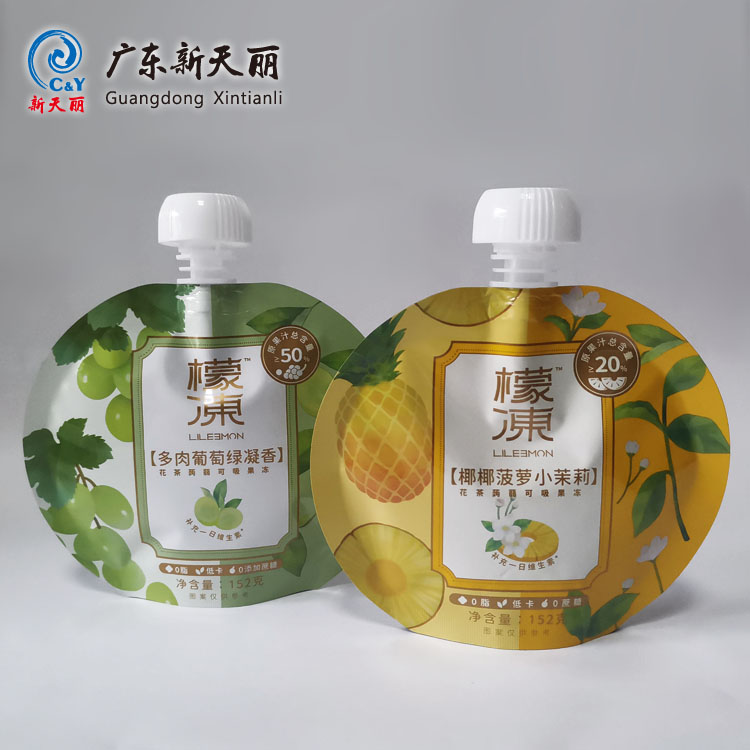
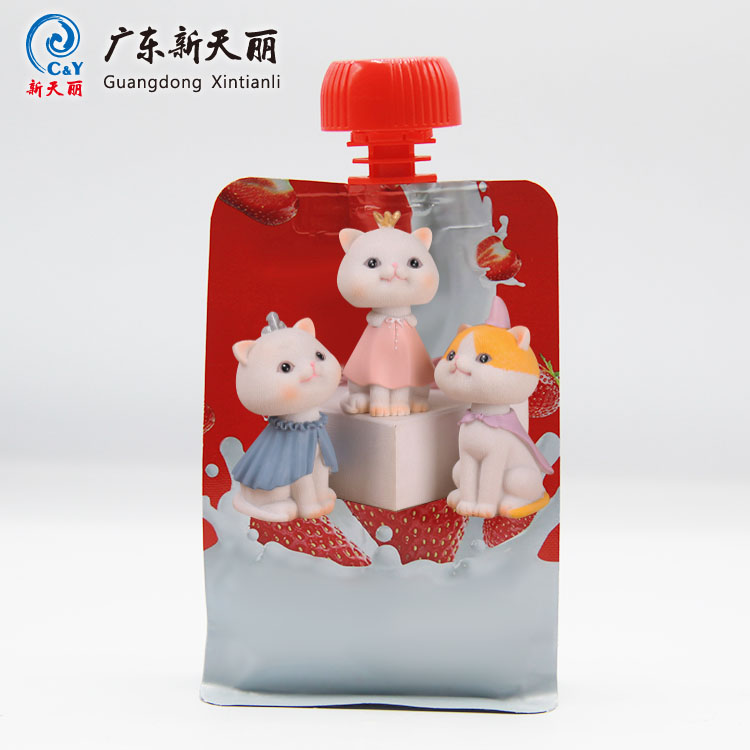
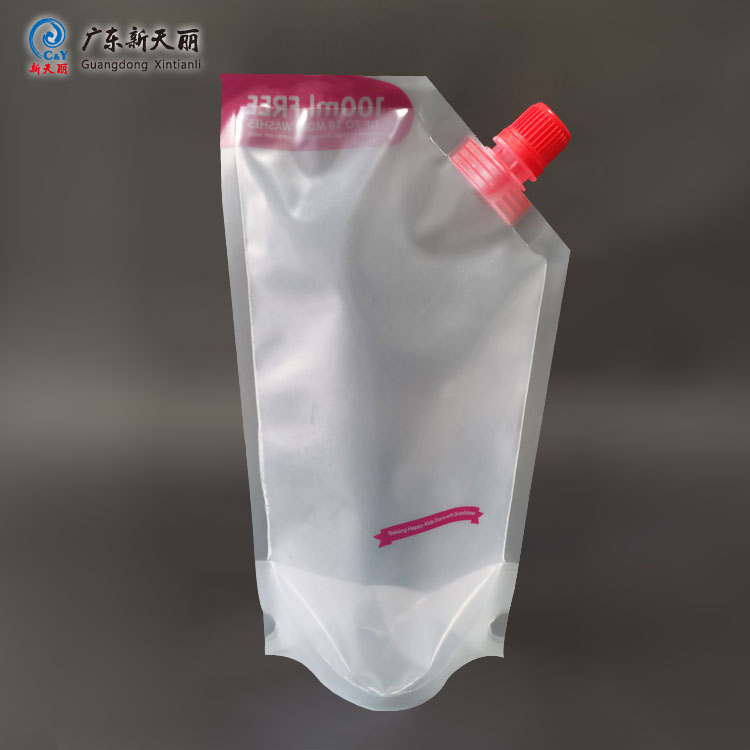
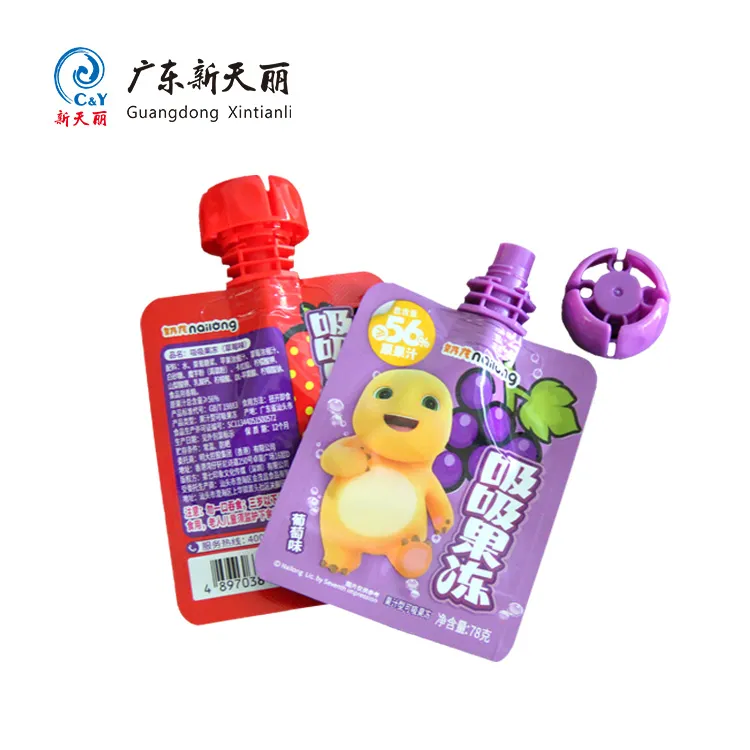
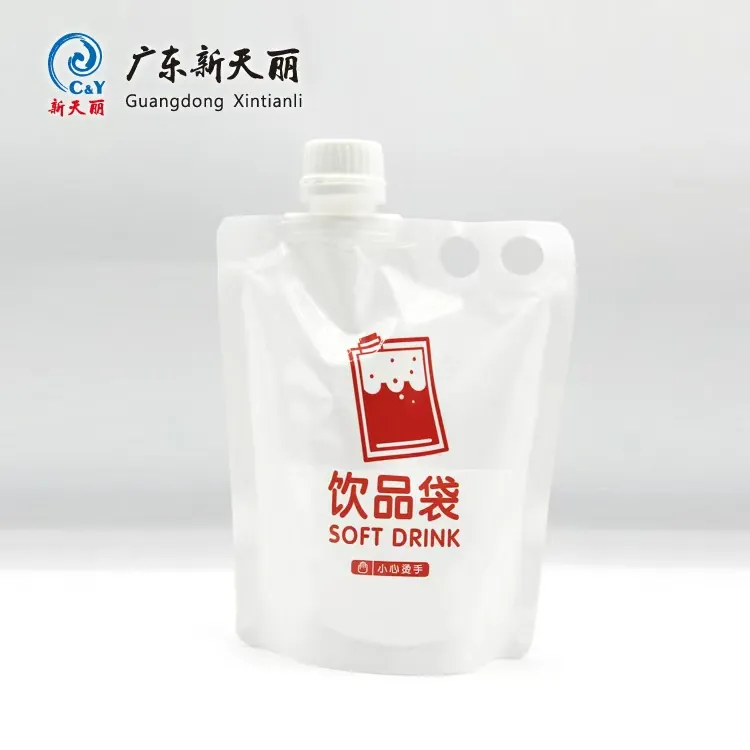
A spout pouch is a type of flexible liquid packaging that integrates a resealable nozzle (spout) into a multi-layer laminated film structure. It is widely used for beverages, sauces, and liquid supplements.
Compared to rigid bottles, spout pouches are:
- Flexible and compressible
- Lower in material consumption
- Easier to transport and store
Why Are Brands Switching to Spout Pouches?
The shift toward spout pouches is driven by three measurable factors: cost efficiency, sustainability, and functional performance.
Spout Pouch vs Rigid Bottle: Key Differences
1. Material Reduction
Spout pouches typically use 60–80% less plastic than rigid PET bottles of the same volume.
This reduction directly impacts:
- Packaging cost
- Environmental footprint
- Waste generation
2. Logistics Efficiency
Empty spout pouches are shipped flat, significantly reducing transport volume.
- 1 truck of flat pouches ≈ 25–30 trucks of empty rigid bottles
- Lower fuel consumption per unit
- Reduced warehouse storage space
This makes flexible packaging more efficient for global distribution.
3. Barrier Protection and Shelf Life
Functional beverages often contain oxygen-sensitive ingredients such as:
- Vitamins
- Plant extracts
- Proteins
Multi-layer films used in spout pouches can achieve:
- Oxygen Transmission Rate (OTR): <10 cc/m²/day
- Moisture Vapor Transmission Rate (MVTR): optimized per product need
These properties help:
- Extend shelf life
- Maintain flavor stability
- Protect active ingredients
4. Carbon Footprint Reduction
Lifecycle assessments show that flexible packaging can reduce total carbon emissions by 30–70% compared to rigid packaging formats.
Key drivers include:
- Lower raw material usage
- Reduced transport emissions
- Lower end-of-life waste volume
5. Manufacturing and Safety Advantages
Modern spout pouch production increasingly uses:
- Solvent-free lamination
- Extrusion coating technology
These processes:
- Eliminate solvent residues
- Reduce odor migration
- Improve food safety compliance
They are especially important for sensitive liquid products such as functional beverages.
Use Cases: Functional Beverages
Spout pouches are commonly used for:
- Energy gels and drinks
- Protein beverages
- Liquid dietary supplements
- Fruit purees and nutraceutical drinks
Their portability and resealability make them suitable for:
- Sports and fitness consumption
- On-the-go usage
- Single-serve formats
Summary: Why Spout Pouches Outperform Bottles
Compared to rigid plastic bottles, spout pouches offer:
- 60–80% less plastic usage
- Up to 25x transport efficiency
- Lower carbon emissions (30–70%)
- High-barrier protection for sensitive liquids
These advantages make them a preferred packaging format for modern functional beverages.
Manufacturing Capability Reference
Manufacturers such as Stanley Package apply advanced flexible packaging technologies, including:
- 10-color gravure printing for high-resolution branding
- Solvent-free lamination for low-odor and food-safe structures
- RTO VOC treatment systems for environmental compliance
These capabilities support scalable, compliant production of liquid packaging for global markets.
Request Samples or Technical Consultation
For product specifications, material structure recommendations, or sample requests, manufacturers can provide customized solutions based on:
- Product viscosity
- Shelf life requirements
- Filling process (hot fill / cold fill / aseptic)
Contact a qualified flexible packaging supplier to evaluate suitable spout pouch configurations for your application.