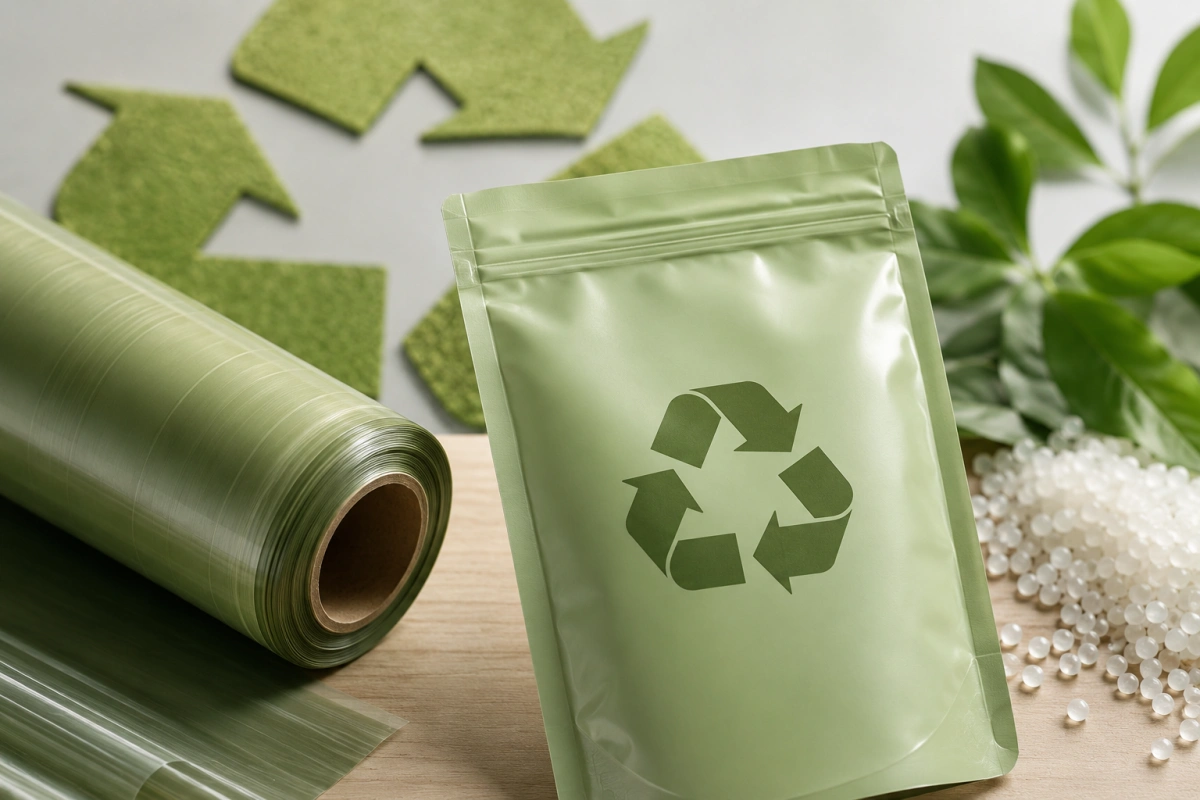
As global packaging regulations tighten and brands shift toward circular economy goals, mono-material packaging has become one of the most important innovations in the flexible packaging industry.

Unlike traditional multilayer laminates, mono-material structures are designed to be made from a single polymer family, making them significantly easier to recycle within existing waste streams.

This guide explains everything you need to know about mono-material packaging—from structure and recycling logic to industry applications and design considerations.

Why Mono-Material Packaging Is the Future of Recyclable Flexible Packaging

1. What Is Mono-material Packaging?

Mono-material packaging refers to flexible packaging structures made primarily from a single type of polymer, most commonly:

  • PE (Polyethylene-based structures)
  • PP (Polypropylene-based structures)

Instead of combining multiple incompatible materials (such as PET + ALU + PE), mono-material designs aim to maintain material uniformity across all layers.

Typical structures include:

  • All-PE pouches (PE/PE/PE)
  • All-PP packaging films (PP-based laminates)
  • High-barrier mono-material PE structures
スタンレーパッケージ, カスタムリサイクルフレキシブル包装メーカー

2. Why Traditional Multilayer Packaging Is Difficult to Recycle

Conventional flexible packaging is often built with multiple functional layers:

  • PET for printability
  • Aluminum foil for barrier
  • Nylon for puncture resistance
  • PE for sealing

While this structure performs well technically, it creates major recycling challenges:

2.1 Incompatible material mixing

Different polymers cannot be efficiently separated during recycling.

2.2 Adhesive lamination barriers

Strong bonding layers prevent mechanical separation.

2.3 Low-value recycled output

Mixed polymers result in downgraded recycled pellets with limited applications.

2.4 Waste stream contamination

Multilayer films disrupt standard PE/PP recycling systems.

スタンレーパッケージ、リサイクル可能な単一素材フレキシブル包装メーカー

3. Why Mono-material Packaging Is Easier to Recycle

The core advantage of mono-material packaging is simple:

It aligns packaging design with how real-world recycling systems actually work.

3.1 Single-polymer waste stream compatibility

Mono-material packaging can directly enter:

  • PE recycling stream
  • PP recycling stream

No separation required.

3.2 Higher recycling efficiency

Because materials are consistent:

  • Recycling yield is higher
  • Sorting complexity is reduced
  • Processing energy consumption decreases

3.3 Better quality recycled resin

Mono-material output results in:

  • More stable polymer properties
  • Higher reuse potential
  • Ability to re-enter packaging production cycles

3.4 Lower system cost for recyclers

Recycling facilities benefit from:

  • Simplified sorting
  • Reduced contamination risk
  • Faster processing cycles

3.5 Compliance with global regulation

Mono-material packaging supports compliance with:

  • EU PPWR (Packaging and Packaging Waste Regulation)
  • Extended Producer Responsibility (EPR) systems
  • Recyclability design guidelines in the US and EU

4. The Technical Challenge: Can Mono-material Match Performance?

A common misconception is that mono-material packaging sacrifices performance.

Modern flexible packaging engineering has largely solved this.

4.1 High-barrier mono-material technology

Advanced solutions include:

  • EVOH-based barrier layers (low-content integration)
  • Co-extrusion barrier films
  • Oxygen and moisture barrier enhancement coatings

4.2 Structural optimization

Engineered film structures improve:

  • Puncture resistance
  • Seal strength
  • Flexibility for automated filling lines

4.3 Replacement of aluminum foil structures

High-barrier PE or PP films can replace:

  • PET/AL/PE laminates
  • Nylon-based barrier structures
単一素材の軟包装-1.1

5. Key Design Considerations for Mono-material Packaging

To achieve both recyclability and performance, packaging design must be carefully optimized:

5.1 Layer reduction strategy

Fewer incompatible layers = higher recyclability score

5.2 Ink and coating selection

Printing systems must be compatible with recycling processes

5.3 Adhesive minimization

Low-impact adhesives or solvent-free lamination preferred

5.4 Seal compatibility

Ensure mono-material sealing without compromising shelf life

5.5 Barrier-performance balance

Design based on product type (dry food vs high-moisture products)


6. Applications of Mono-material Flexible Packaging

Mono-material solutions are increasingly used across industries:

  • Snack foods packaging
  • Coffee and tea packaging
  • Frozen food pouches
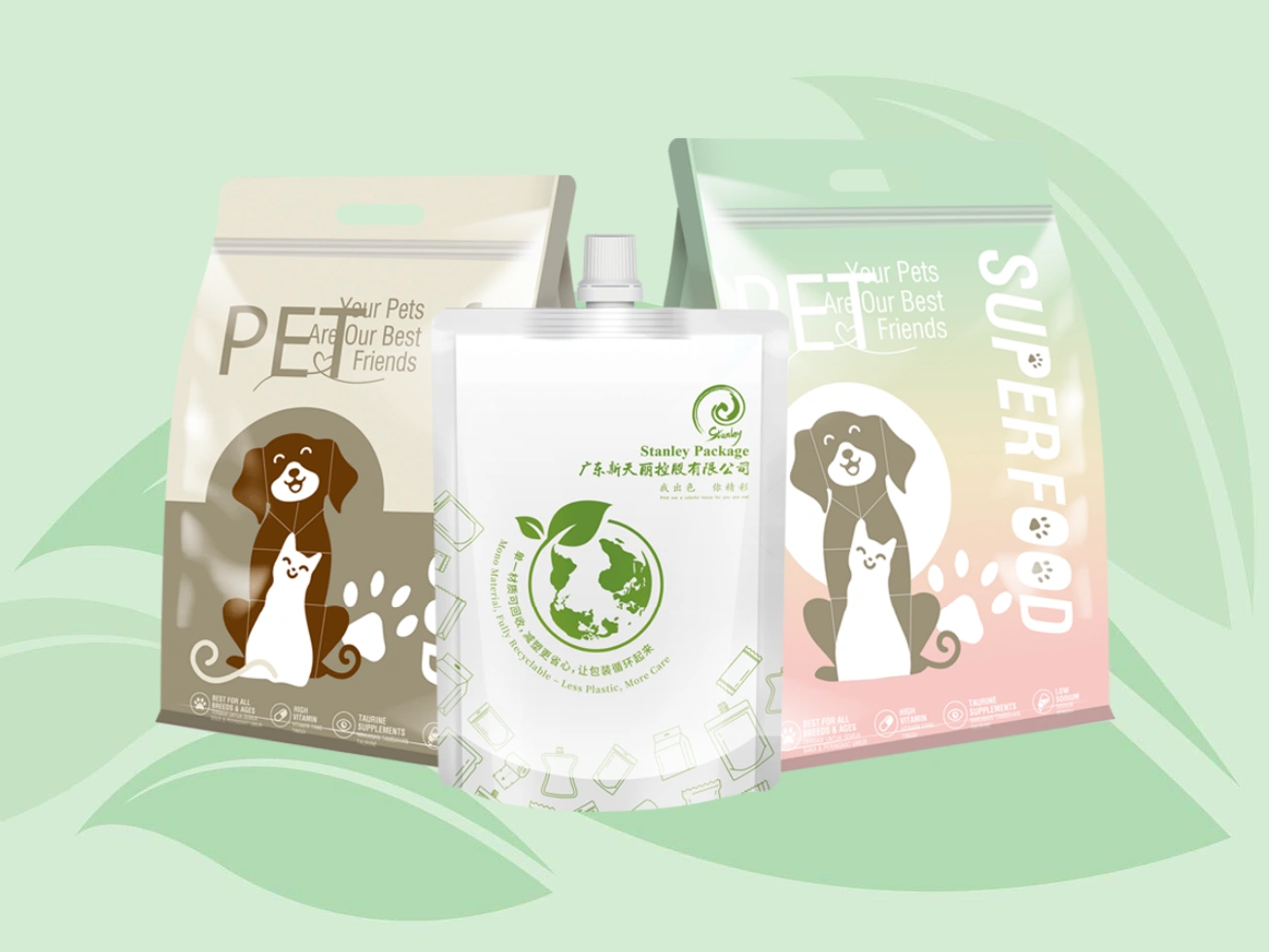
  • Pet food packaging
  • Household and cleaning products
  • E-commerce shipping mailers
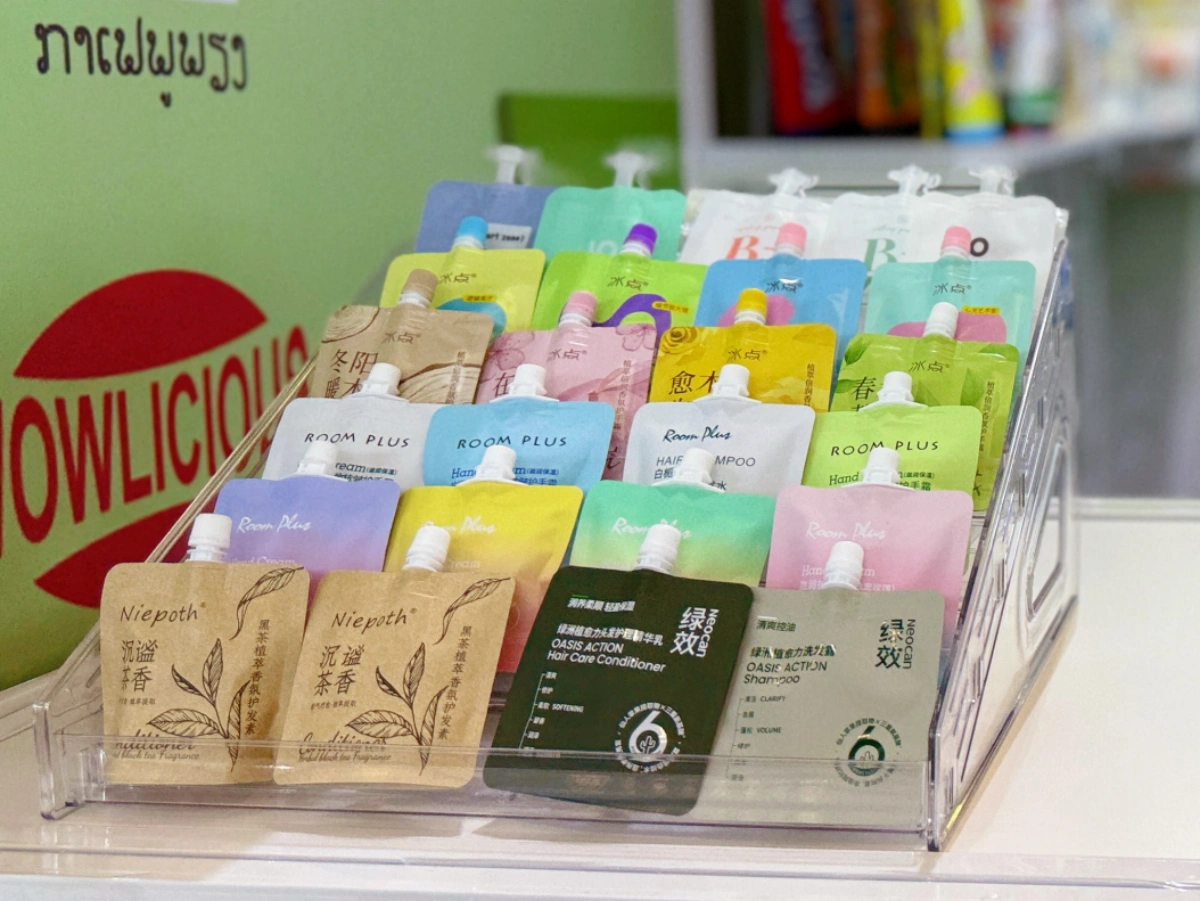
  • Personal care and cosmetics sachets

7. Market Trends: Why Mono-material Is Becoming a Global Standard

The shift toward mono-material packaging is driven by three major forces:

7.1 Regulatory pressure

Governments are enforcing recyclability-by-design policies.

7.2 Brand sustainability commitments

Global FMCG brands are committing to:

  • 100% recyclable packaging
  • Reduced virgin plastic usage
  • ESG reporting compliance

7.3 Recycling infrastructure reality

Most recycling systems are optimized for single-material streams, not multilayer composites.


8. Mono-material Packaging vs Multilayer Packaging

特徴Mono-materialMultilayer Laminates
リサイクル性高い低い
Sorting complexity低い高い
Barrier performanceMedium–HighVery High
Cost efficiency (recycling)高い低い
Regulatory compliance強いWeakening

9. How Stanley Package Supports Mono-material Packaging Development

として Custom Flexible Packaging Manufacturer established in 1998, スタンレー・パッケージ provides advanced packaging pouch and roll stock packaging film solutions for global brands transitioning toward recyclable and sustainable packaging systems. Stanley Package provides:

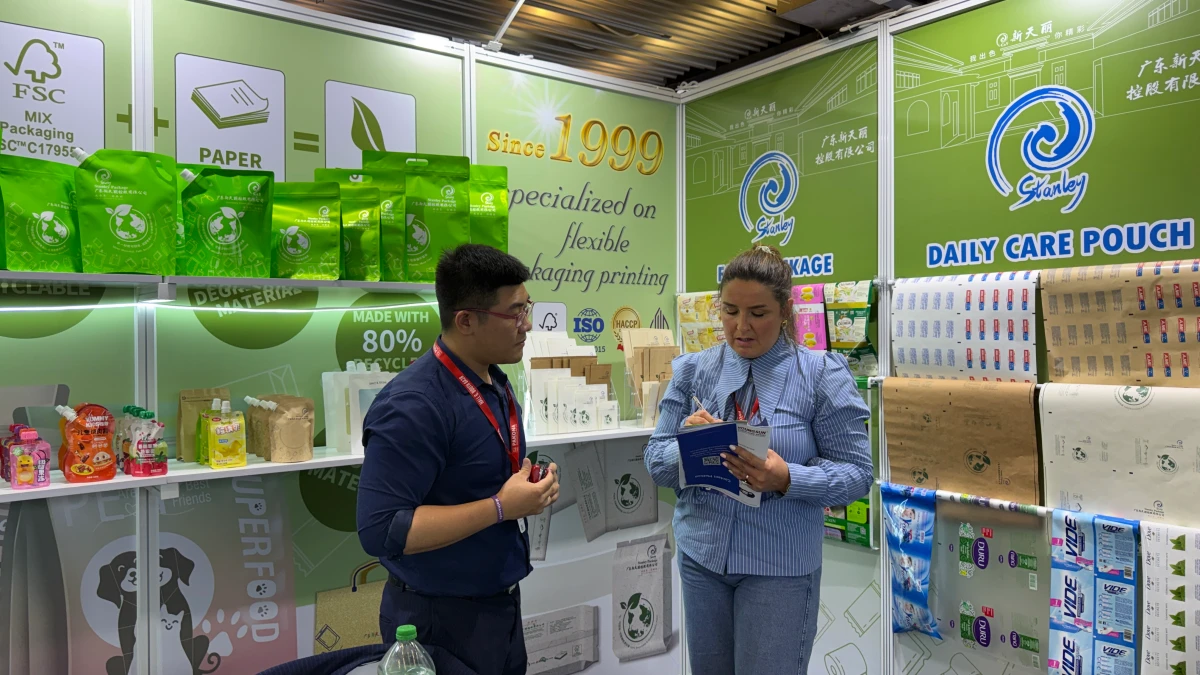
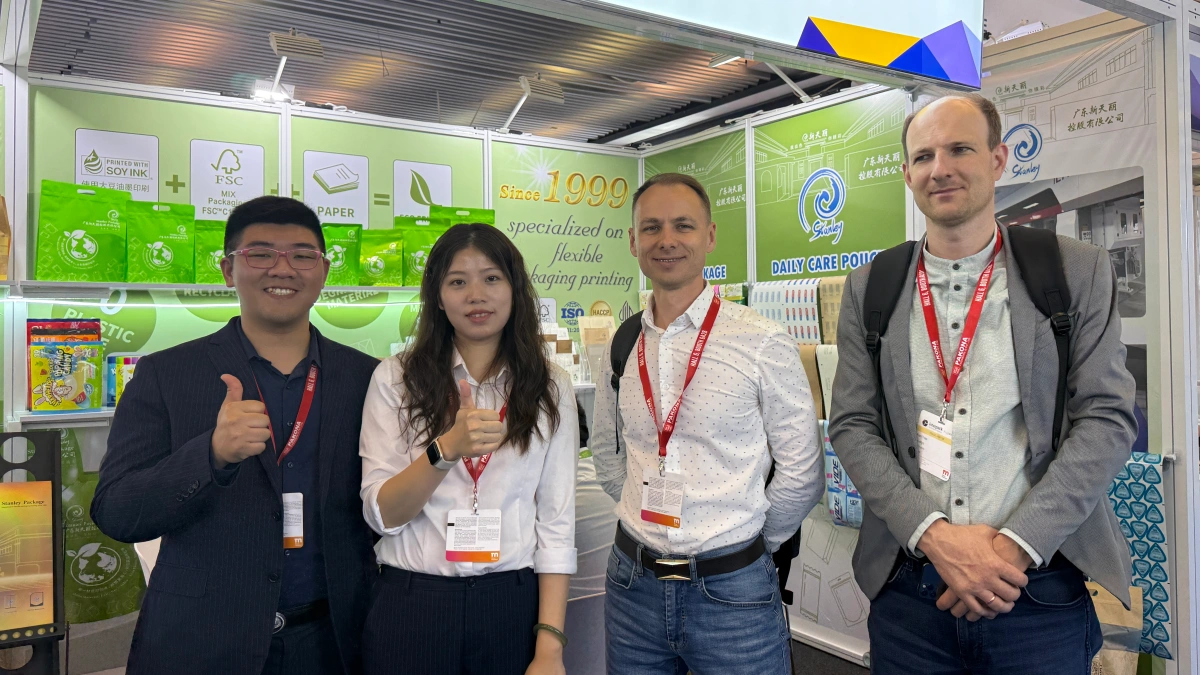
Stanley Package at Interpack 2026, Sustainable Packaging Solutions
  • Advanced mono-material pouch structures
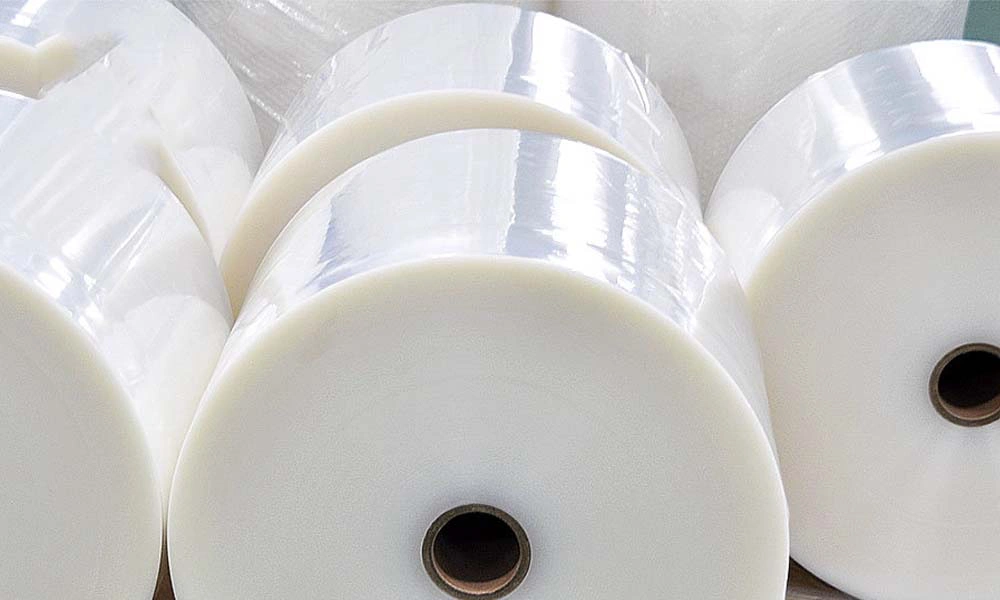
  • High-barrier roll stock packaging film
  • Custom OEM/ODM flexible packaging solutions
  • Precision production with strict quality control systems
  • Scalable manufacturing for global brands

We help brands transition from traditional multilayer structures to recyclable, high-performance mono-material packaging systems without sacrificing production efficiency or shelf-life performance.

Stanley Package at Interpack 2026, Sustainable Packaging Solutions

お問い合わせ

スタンレーは、カスタマイズされたフレキシブルパッケージングソリューションに焦点を当て、高品質のワンストップカスタム印刷パウチサービスを提供することをお約束します。
+86-13727046097[email protected]中国広東省潮州市東風鎮内盤工業区

お問い合わせ

スタンレーは、カスタマイズされたフレキシブルパッケージングソリューションに焦点を当て、高品質のワンストップカスタム印刷パウチサービスを提供することをお約束します。
+86-13727046097[email protected]中国広東省潮州市東風鎮内盤工業区

興味のある人を探す