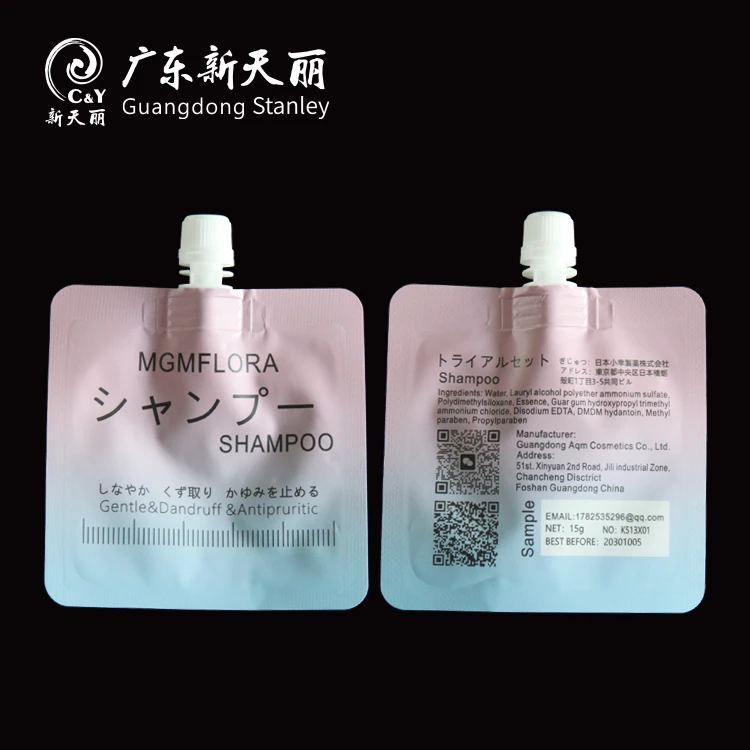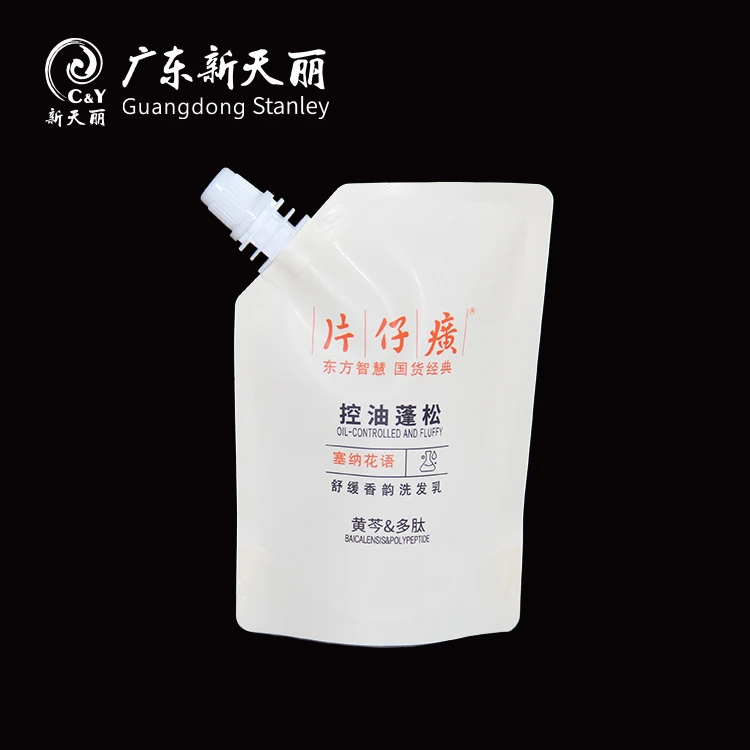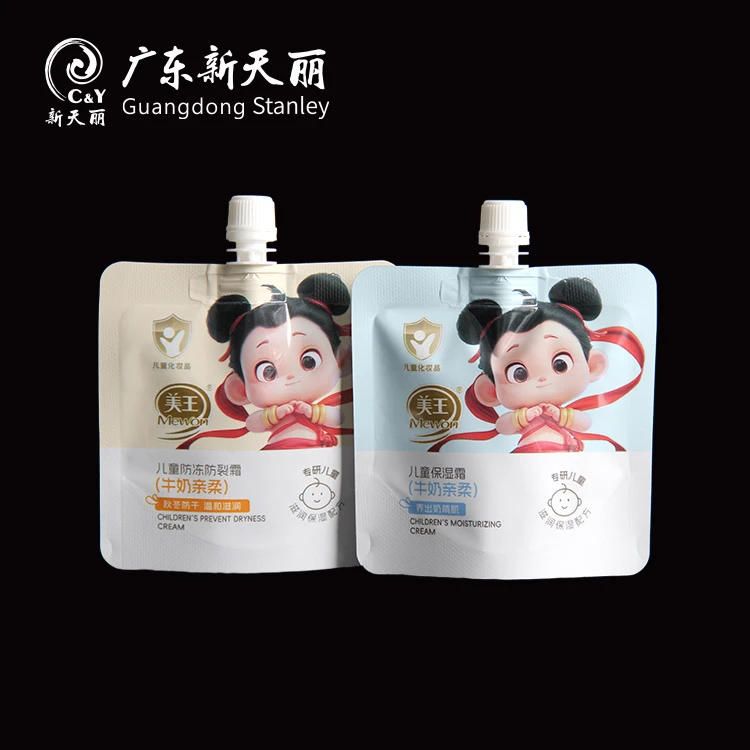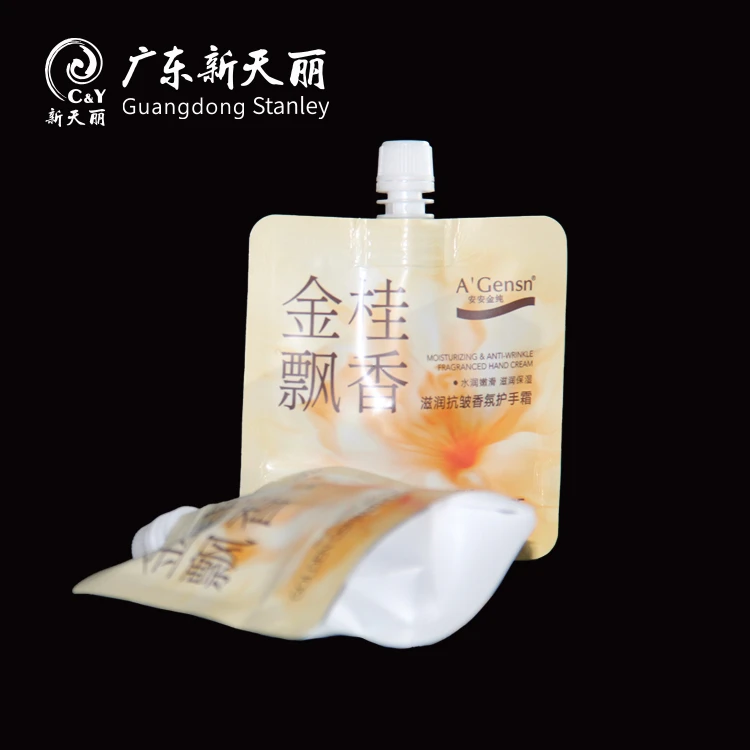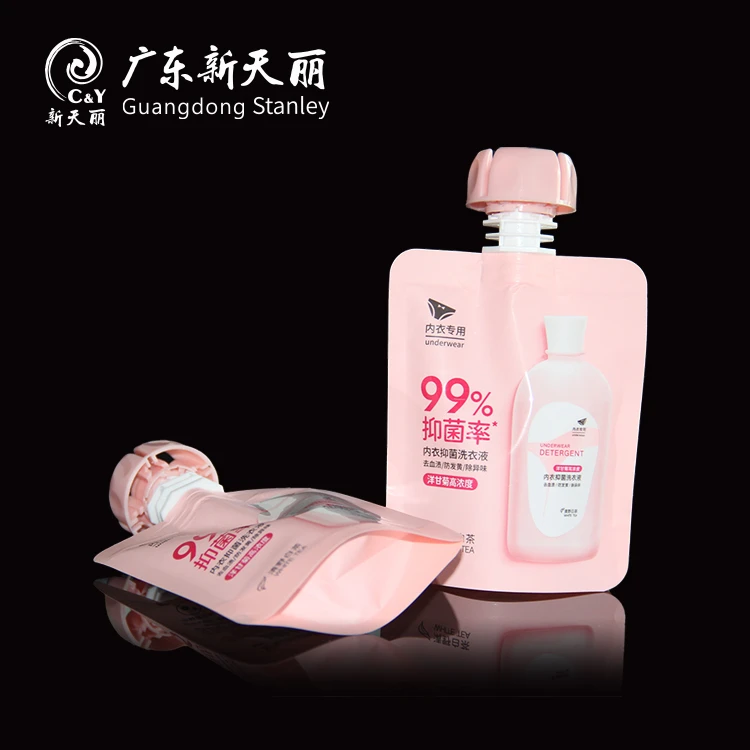
Excerpt: Custom Supplement Pouch Packaging helps supplement brands move toward more sustainable packaging through recyclable material options, lightweight pouch designs, and responsible manufacturing processes without overlooking product protection and shelf-life requirements.
Why Are Supplement Brands Switching to Sustainable Packaging?
Sustainability is becoming an important consideration for supplement brands, retailers, and packaging buyers. As consumers pay more attention to environmental impact, brands are looking for ways to reduce packaging waste while maintaining product quality and shelf appeal.
Traditional supplement pouches often use multiple layers of different materials to provide moisture protection, oxygen barriers, and sealing strength. Although these structures offer reliable product protection, some are difficult to recycle through conventional recycling systems.
This has increased interest in Custom Supplement Pouch Packaging that combines suitable barrier performance with more recyclable material designs.
For brands selling protein powder, collagen, vitamins, and dietary supplements, the challenge is finding packaging that meets three requirements:
- Protects sensitive products from moisture and oxygen.
- Supports more responsible material use and packaging design.
- Maintains the appearance, convenience, and functionality customers expect.
Recyclable flexible packaging offers a potential solution when the material structure is designed around both product requirements and the recycling infrastructure in the target market.


How Recyclable Flexible Packaging Supports Sustainability Goals
1. Mono-Material Structures Improve Recycling Potential
Mono-material packaging is one of the key approaches to designing more recyclable flexible packaging.
Traditional laminated pouches may combine PET, PE, aluminum foil, and other materials to achieve specific barrier and mechanical properties. Separating these different layers during recycling can be challenging.
Mono-material structures, such as PE-based or PP-based packaging, reduce the use of incompatible polymer combinations and can improve compatibility with corresponding recycling streams.
For supplement brands, potential benefits include:
- Simplifying the packaging material structure.
- Improving compatibility with suitable plastic recycling systems.
- Supporting brand sustainability initiatives.
- Providing opportunities to redesign existing pouch formats.
However, mono-material does not automatically mean recyclable everywhere. Actual recyclability depends on the complete pouch construction, including coatings, inks, closures, and other components, as well as local collection and recycling facilities.
2. Lightweight Pouches Help Reduce Material Consumption
Reducing unnecessary packaging material is another practical way to support sustainability goals.
Flexible pouches generally use less material than many rigid packaging formats and can offer advantages in transportation and storage due to their lightweight structure.
Brands can further optimize their packaging by:
- Selecting pouch dimensions that match the actual product volume.
- Evaluating film thickness without compromising packaging strength.
- Avoiding unnecessary packaging layers and oversized designs.
- Choosing pouch formats that improve storage and transportation efficiency.
For protein powder and other powdered supplements, Stand Up Pouches and Flat Bottom Pouches offer practical options for retail display and convenient storage.
The goal is not simply to use thinner film, but to find the right balance between material consumption, package durability, and product protection.
3. Responsible Manufacturing Supports Supply Chain Sustainability
Sustainable packaging also involves how packaging materials are converted and manufactured.
When evaluating a Supplement Packaging manufacturer, buyers should consider production processes alongside the final packaging material.
Several manufacturing practices can contribute to more responsible production:
- Solvent-Free Lamination: Uses a solvent-free bonding process, reducing the need for solvents in the lamination stage.
- Material Efficiency: Optimizes production processes to help minimize material waste.
- Extrusion Coating: Uses molten polymer coating without conventional adhesives or solvents in the coating process.
- VOC Treatment: Uses appropriate emission treatment systems to manage volatile organic compounds generated during production.
These manufacturing practices do not automatically make the finished pouch recyclable, but they provide additional considerations for brands evaluating the environmental impact of their packaging supply chain.
Sustainable Pouch Solutions for Different Supplement Products
Different supplements have different packaging requirements. A pouch suitable for one product may not provide sufficient protection for another.
When developing Custom Supplement Pouch Packaging, brands should consider product sensitivity, filling methods, storage conditions, and the desired retail presentation.
| Supplement Product | Key Packaging Requirements | Potential Pouch Solution |
|---|---|---|
| Protein Powder | Moisture protection, strong seals, resealable opening | Stand Up Pouch or Flat Bottom Pouch |
| Collagen Powder | Moisture and oxygen protection, premium appearance | Custom Printed Stand Up Pouch |
| Vitamin Powder | Moisture control and reliable sealing | High-Barrier Flexible Pouch |
| Dietary Supplements | Product protection and convenient storage | Custom Flexible Pouch |
These are starting points for packaging selection rather than fixed material specifications. The final structure should be evaluated according to the product formulation, shelf-life requirements, and filling conditions.
For brands interested in recyclable options, a packaging manufacturer can assess whether a suitable mono-material structure can meet the required barrier and sealing performance.
What Should Brands Consider Before Switching to Recyclable Pouches?
Moving from conventional laminated packaging to more recyclable alternatives requires more than changing the outer film.
Before placing an order, supplement brands should evaluate the following factors.
Barrier Performance
Many powdered supplements are sensitive to moisture and oxygen. Insufficient protection can cause clumping, affect product quality, and shorten shelf life.
Ask the manufacturer to evaluate the required moisture and oxygen barrier properties based on your product and storage conditions.
Sealing and Filling Compatibility
Packaging must perform reliably on the customer’s filling and sealing equipment.
Film stiffness, heat-sealing properties, and pouch construction can all affect production efficiency. Sample testing is important before approving a new structure for mass production.
Complete Packaging Structure
A recyclable pouch should be evaluated as a complete package rather than by its main film alone.
Printing inks, coatings, zippers, valves, and other components may affect recycling compatibility. Brands should confirm whether the complete design meets the requirements of their target recycling system.
Cost and Order Requirements
Material costs, printing, pouch dimensions, order quantities, and manufacturing processes all influence the final price.
Rather than comparing material prices alone, buyers should evaluate the overall packaging solution, including product protection, production compatibility, and potential material savings.
Why Choose Stanley Package for Sustainable Flexible Packaging?
Founded in 1998, Stanley Package is a Custom Flexible Packaging Manufacturer specializing in packaging pouches and roll stock packaging film for global customers.
With a 15,000-square-meter production facility, Stanley combines advanced printing, lamination, and coating equipment to support different flexible packaging requirements.
For brands exploring more sustainable supplement packaging, Stanley offers several relevant manufacturing capabilities:
- Custom Printed Packaging: Ten-color electronic-shaft gravure printing equipment supports customized brand graphics and packaging designs.
- Solvent-Free Lamination: High-speed solvent-free lamination equipment supports packaging production without the use of solvents in the lamination process.
- Extrusion Coating: An extrusion coating process that does not require conventional adhesives or solvents for coating, offering additional options for packaging structure development.
- VOC Emission Management: An RTO system treats VOC emissions generated during production, supporting more responsible manufacturing operations.
For brands considering recyclable packaging, Stanley can discuss material structures, pouch formats, printing requirements, and production feasibility based on specific product needs.
Whether you are developing protein powder pouches, collagen packaging, or other dietary supplement packaging, selecting the right structure is essential to balancing product protection and sustainability objectives.
Looking for a Supplement Packaging manufacturer for your next project?
Contact Stanley Package to discuss your product type, packaging specifications, and sustainability goals. Our team can help evaluate suitable flexible packaging options for your brand.