フレキシブル包装 そのコスト効率の良さ、軽量な構造、そして優れたバリア性能により、食品、飲料、栄養補助食品、および製薬業界において、最も好まれる包装ソリューションとなっています。しかし、輸入業者、流通業者、ブランドオーナー、および製造業者にとって、フレキシブル包装を調達する際に、FDAの規制を確実に遵守することは、最も重要な要件の一つとなっています。.
規格に適合しない梱包資材は、製品の回収、出荷の遅延、規制当局による罰則、さらにはブランド評判への重大な損害につながる可能性があります。.
この完全ガイドでは、フレキシブル包装におけるFDAコンプライアンスの意味、適用される規制、購入者がコンプライアンスを確認する方法、および発注前にサプライヤーに確認すべき事項について解説します。.
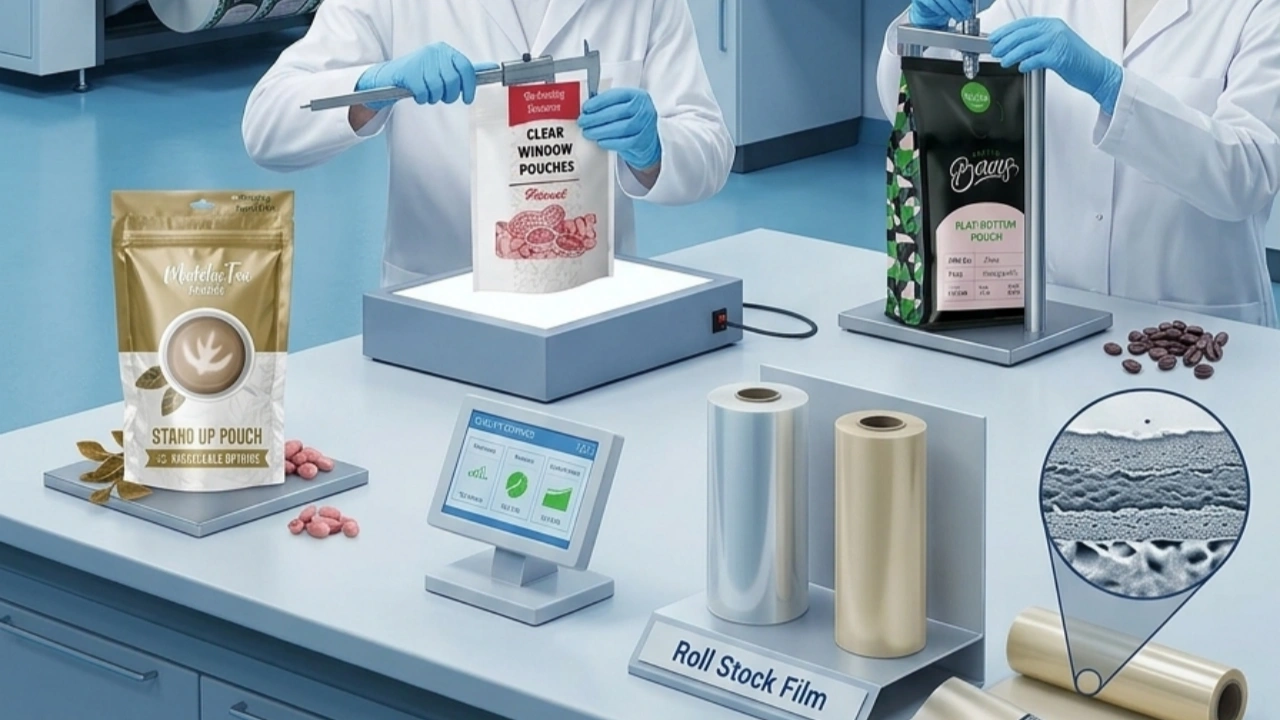
フレキシブル包装において、FDAコンプライアンスとは何を意味するのか?
FDAコンプライアンスとは、食品、飲料、栄養補助食品、医薬品、または医療製品と接触する材料について、米国食品医薬品局(FDA)が定めた規制を遵守することを指します。.
フレキシブル包装の場合、コンプライアンスの主な焦点は、包装材料が以下の要件を満たしていることを確保することにあります:
- その用途において安全である
- 食品や製品に有害物質が混入しないようにしてください
- 承認された材料組成要件を満たすこと
- 適切な品質管理体制の下で製造されている
- 想定される保管および輸送条件に耐えることができる
FDAは、ほとんどの完成した包装製品を「承認」していないことを理解しておくことが重要です。その代わり、包装に使用される材料は、該当するFDAの規制に準拠していなければなりません。.
購入者にとってFDAの規制遵守が重要な理由
多くのバイヤーは、すべての包装材サプライヤーがFDAの要件を理解していると誤って思い込んでいます。実際には、コンプライアンス基準はメーカーによって大きく異なります。.
FDAの基準に準拠したフレキシブル包装を選ぶことで、購入者には次のようなメリットがあります:
消費者の安全を守る
食品接触材料は、有害な化学物質、重金属、または安全性が確認されていない添加物によって製品を汚染してはならない。.
規制リスクの低減
規定に準拠していない包装は、次のような結果を招く可能性があります:
- 製品の回収
- 通関に関する問題
- FDAの警告書
- 小売店による取り扱い拒否
ブランドの評判を維持する
消費者は、サプライチェーン全体における透明性と安全性をますます求めるようになっています。包装の不具合は、消費者の信頼を瞬く間に損なう恐れがあります。.
小売業者の要件を満たす
大手小売業者や卸売業者は、商品を受け入れる前に、包装が基準に準拠していることを証明する書類の提出を求めることがよくあります。.
フレキシブル包装には、どのFDA規制が適用されるのか?
柔軟性のある包装材料には、いくつかのFDA規制が適用されます。.
FDA 21 CFR
主な規制は、連邦規則集(21 CFR)の第21編に規定されています。.
一般的に、関連するセクションには次のようなものがあります:
- 21 CFR 174 – 総則
- 21 CFR 175 – 接着剤およびコーティング剤
- 21 CFR 176 – 紙および板紙製の部品
- 21 CFR 177 – ポリマーおよび樹脂材料
- 21 CFR 178 – 賦形剤および製造補助剤
これらの規制では、食品と接触する用途において、どのような物質をどのような条件下で使用できるかが定められています。.
食品接触物質(FCS)に関する規制
「食品接触物質」とは、製造、包装、保管、または輸送の過程で食品と接触することを意図したあらゆる物質を指します。.
例としては、次のようなものがあります:
- プラスチックフィルム
- ラミネート材
- インク
- コーティング
- 接着剤
- バリア層
製造業者は、特定の物質を使用する場合、食品接触通知(FCN)の提出が必要となる場合があります。.
適正製造規範(GMP)
また、FDAの規制では、汚染を防止し、一貫した品質を確保するために、適切な製造管理の下で包装材を製造することが求められています。.
一般的なフレキシブル包装材料とFDAの考慮事項
ポリエチレン(PE)
PEは、以下の用途で広く使用されています:
- 食品用袋
- 冷凍食品の包装
- スナックのパッケージ
- ポーチ構造
FDAの規制への適合性は、樹脂のグレード、添加剤、および用途によって異なります。.
ポリプロピレン(PP)
PPは優れた耐熱性を備えており、一般的に次のような用途に使用されています:
- レトルトパウチ
- 電子レンジ用包装
- ドライフードの包装
コンプライアンス文書には、承認済みの樹脂の調達先を明記する必要があります。.
PET(ポリエチレンテレフタレート)
PETは、優れた透明性とバリア性を備えています。.
主な用途は以下の通りです:
- 飲料のパッケージ
- コーヒーのパッケージ
- スタンドアップパウチ
- 高バリア構造
アルミ箔ラミネート
アルミホイルは、以下のものに対して優れた保護効果を発揮します:
- 水分
- 酸素
- 光
購入者は、すべての接着剤およびラミネート部品が、該当するFDAの要件を満たしていることを確認する必要があります。.
紙製フレキシブル包装
環境に配慮した紙製パッケージの人気は高まり続けている。.
ただし、FDAの規制遵守には、以下の事項も含まれる必要があります:
- コーティング
- バリア処理
- 印刷用インク
- 接着剤
関連商品
印刷用インクはFDAの承認を受けていますか?
これは、購入者から最もよく寄せられる質問の一つです。.
厳密に言えば、FDAは食品包装用の印刷インクのほとんどを直接承認しているわけではない。.
その代わりに、包装メーカーは以下の点を確実に遵守しなければなりません:
- インクの成分は、関連するFDAの規制に準拠しています
- インクは適切に硬化しています
- 印刷は、食品と接触しない側に行われます
- 移住の規模は許容範囲内に留まっている
食品包装用途では、低移行性インクシステムがますます好まれるようになっている。.
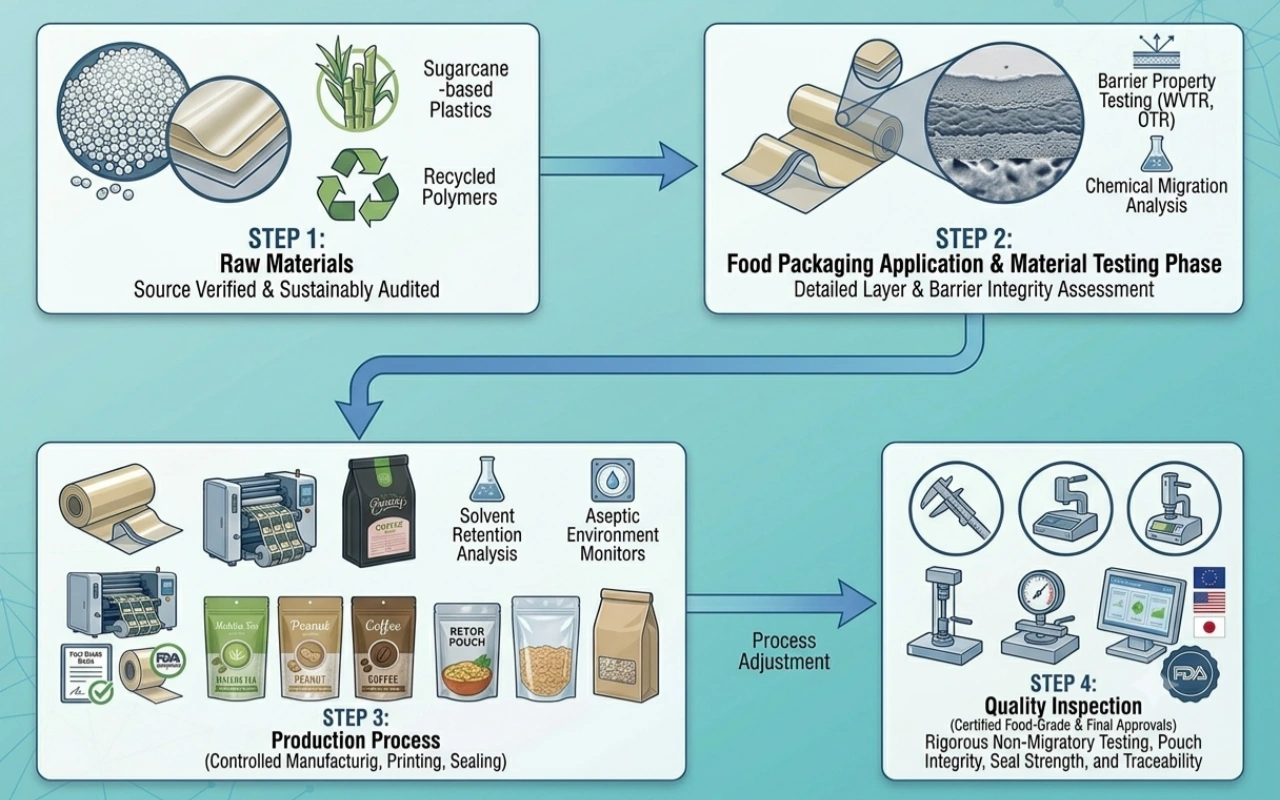
サプライヤーのFDAコンプライアンスを確認する方法
フレキシブル包装のサプライヤーを評価する際、バイヤーは裏付けとなる書類の提出を求めるべきである。.
適合宣言書(DoC)
適合宣言書には、以下の事項を明記しなければならない:
- 適用されるFDAの規制
- 材料の組成
- 使用目的および使用条件
- コンプライアンスに関する声明
材料仕様
以下の製品の詳細仕様書をご請求ください:
- 映画
- 接着剤
- インク
- コーティング
- バリア層
移行テスト報告書
移行試験は、包装材から食品へ物質が移行するかどうかを評価するものです。.
テストには、以下のものが含まれる場合があります:
- 全体的な移住
- 特定の移住
- 模擬試験
第三者認証
必須ではありませんが、認証を取得することで、サプライヤーの信頼性を高めることができます。.
例としては、次のようなものがあります:
- BRCGS 包装認証
- ISO 9001
- ISO 22000
- HACCPに基づく品質管理システム
購入者が包装資材のサプライヤーに尋ねるべき重要な質問
サプライヤーを選定する前に、以下の点を検討してみてください:
- FDAのコンプライアンスに関する書類をご提供いただけますか?
- 御社の包装構造には、どのFDA規制が適用されますか?
- 移行テストは実施されましたか?
- すべての接着剤やインクは、食品接触用途に適しているのでしょうか?
- 冷凍、冷蔵、ホットフィル、またはレトルト用途向けの製品に対応できますか?
- 製造工程では、どのような品質管理手順が採用されていますか?
- 原材料のトレーサビリティはどのように管理していますか?
信頼できるサプライヤーは、これらの質問に自信を持って答え、裏付けとなる証拠を提示すべきです。.
買い手が犯しがちなFDAコンプライアンス上のよくあるミス
すべての包装が自動的に基準を満たしていると仮定する
すべての材料が食品との接触用途に適しているわけではありません。.
フィルム層のみに焦点を当てる
接着剤、インク、コーティング剤、および添加剤も、この基準に準拠していなければなりません。.
最終用途の条件を無視する
冷凍、電子レンジ加熱、または高温処理を目的とした包装については、追加のコンプライアンス上の考慮事項が必要となる場合があります。.
価格のみに基づいてサプライヤーを選定すること
低コストの包装は、コンプライアンス上のリスクや長期的なコストを増大させる可能性があります。.
FDA準拠のフレキシブル包装の今後の動向
フレキシブル包装業界は急速に進化しています。.
主な傾向としては、以下のものが挙げられます:
持続可能な包装材料
各ブランドは、規制への準拠を維持しつつ、リサイクル可能で単一素材のパッケージ構造を採用する傾向が強まっている。.
低移行性技術
高度なインクおよび接着剤システムにより、汚染のリスクを低減します。.
トレーサビリティの強化
デジタル品質管理システムは、サプライチェーンの透明性とコンプライアンスの検証を向上させます。.
環境に配慮した製造
メーカー各社は、製品の安全性を確保しつつ環境への影響を低減するため、クリーン生産技術への投資を進めている。.
結論
食品、飲料、栄養補助食品、医薬品向けのフレキシブル包装を調達する際、FDAの規制への準拠は極めて重要な要素となります。適用される規制を理解し、サプライヤーの書類を確認し、製造能力を評価することで、規制上および品質上のリスクを大幅に低減することができます。.
購入者にとって、経験豊富で透明性の高い包装メーカーと提携することは、長期的なコンプライアンスの確保とサプライチェーンの信頼性を維持するための最も効果的な手段となることが多い。.
スタンレー・パッケージについて
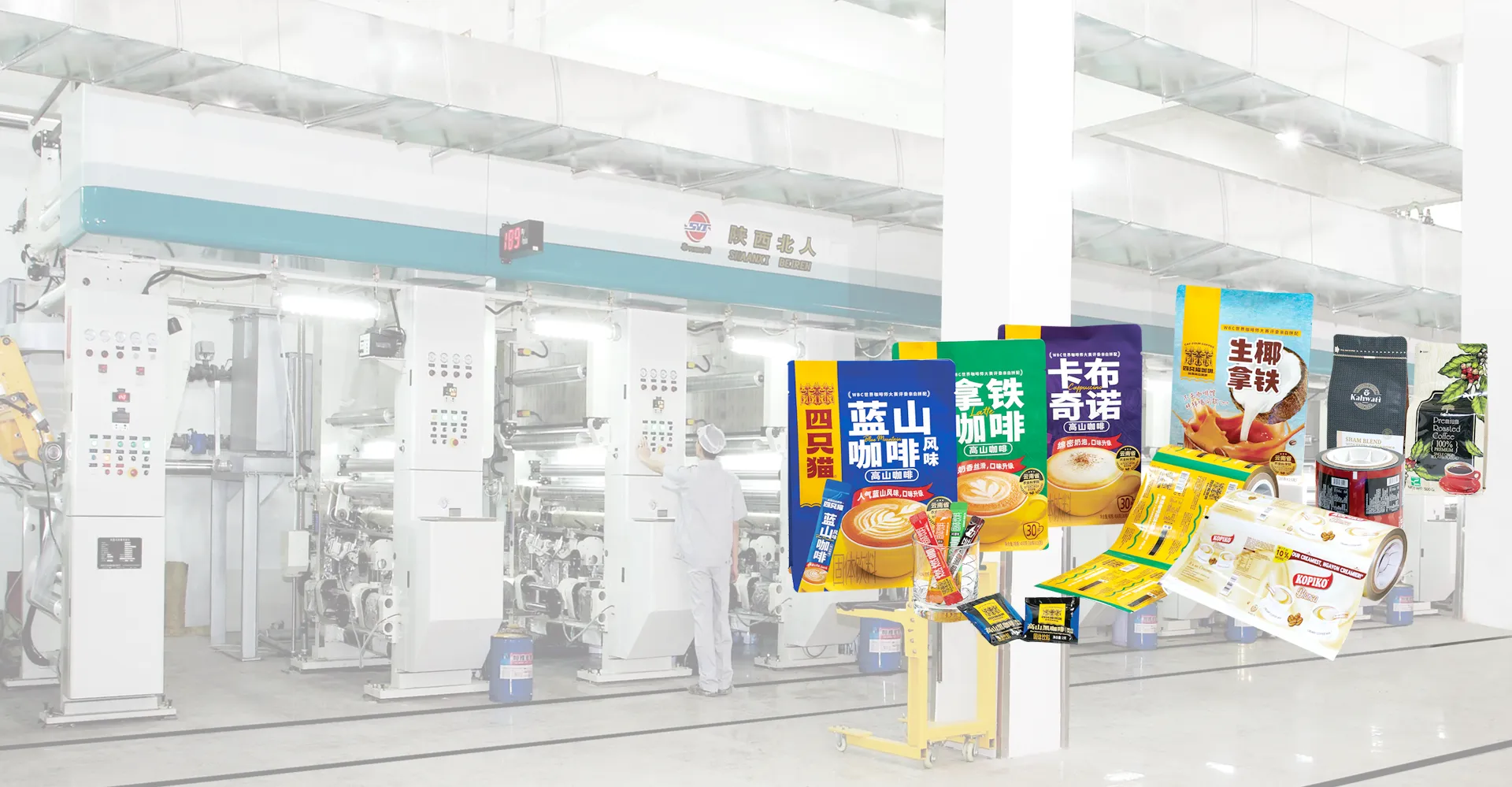
1998年設立、 スタンレー・パッケージ 当社は、世界的なブランドや流通業者向けに、包装用パウチやロール状包装フィルムを専門とする、業界をリードするオーダーメイドのフレキシブル包装メーカーです。15,000㎡の製造施設には、最先端の10色グラビア印刷機、無溶剤ラミネートシステム、ドライラミネートライン、そして環境に配慮した押出コーティング技術が導入されています。.
持続可能な生産を支援するため、当社はVOC処理に最先端のRTOシステムを採用しており、卓越した製品品質を維持しつつ、環境に配慮した操業を実現しています。.
スタンレー・パッケージと提携する
貴社の製品向けに、FDA規制に準拠したフレキシブル包装ソリューションをお探しですか?
特注のスタンドアップパウチ、食品用包装フィルム、レトルト包装、あるいはロールストックソリューションなど、どのような製品をお求めの場合でも、スタンレー・パッケージは、お客様の市場ニーズに合わせた信頼性の高い製造、一貫した品質、そして専門的な技術サポートをご提供いたします。.
今すぐ弊社チームまでお問い合わせください お客様のパッケージングプロジェクトについてご相談いただき、当社がどのようにお手伝いして、自信を持って製品を市場に投入できるようサポートできるかをご確認ください。.