Food safety is one of the most important concerns when sourcing flexible food packaging. Whether you are importing stand-up pouches, snack bags, coffee packaging, frozen food packaging, or roll stock films, ensuring compliance with food safety regulations is essential for protecting consumers, meeting legal requirements, and avoiding costly recalls.

However, many buyers are confused about which certifications are actually required for flexible food packaging.

  • Is FDA approval enough?
  • Do you need BRCGS certification?
  • What about EU food contact regulations, migration testing, or sustainability compliance?

This guide explains the most important certifications and compliance requirements for flexible food packaging and helps buyers understand what documents they should request from packaging suppliers.

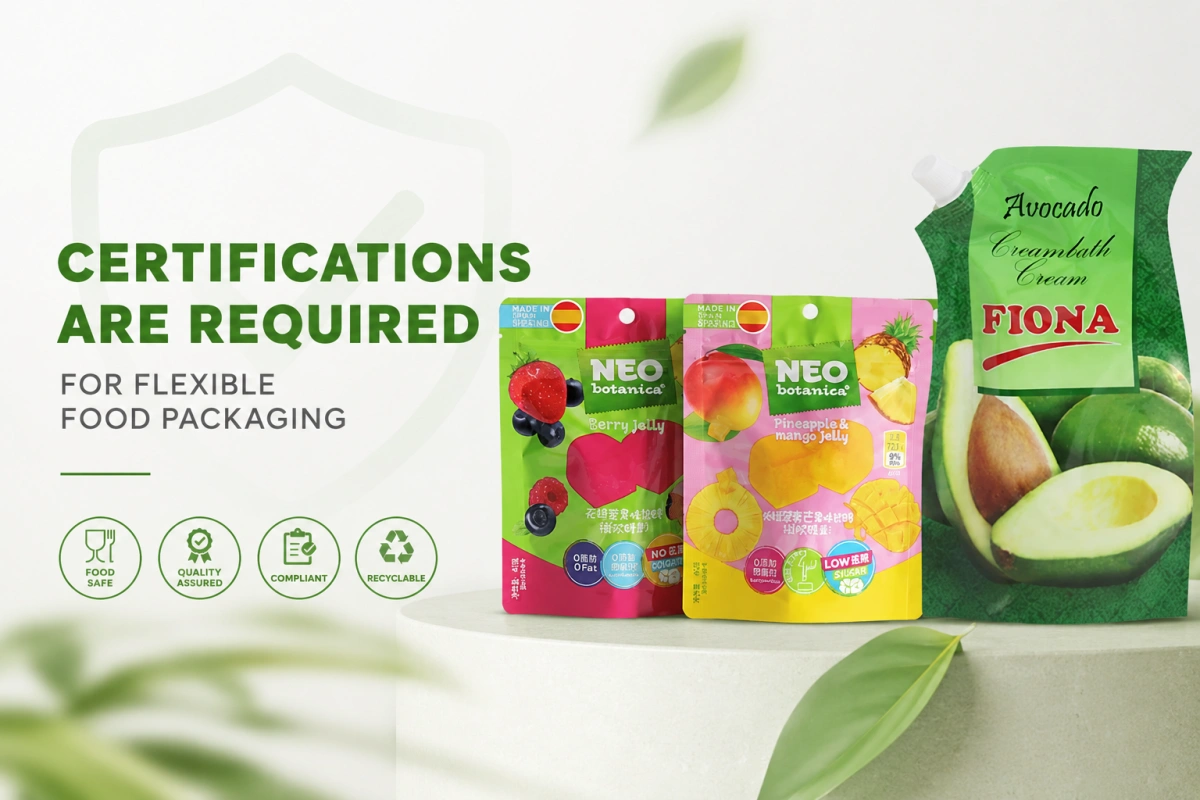
Certifications Are Required for Flexible Food Packaging

Why Certifications Matter in Flexible Food Packaging

Food packaging comes into direct or indirect contact with food products. Any harmful substances migrating from packaging materials into food can create serious health risks and legal liabilities.

Proper certifications help ensure that packaging:

  • Meets food safety regulations
  • Uses approved raw materials
  • Passes migration testing requirements
  • Complies with importing country regulations
  • Supports brand reputation and consumer trust

For food manufacturers, importers, and private label brands, verifying flexible food packaging compliance is now a standard part of supplier qualification.

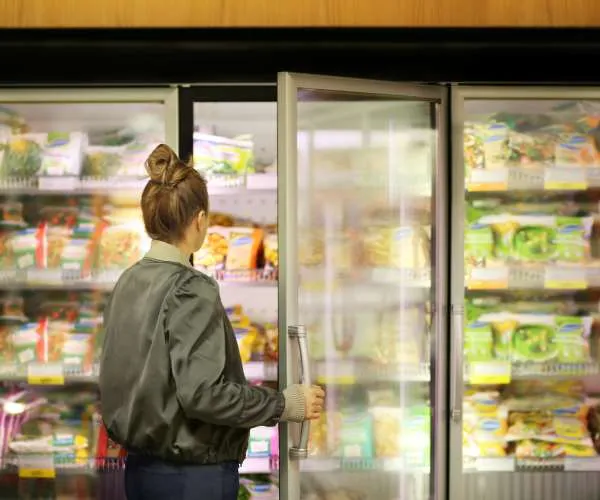
冷凍食品包装パウチガイドがスーパーマーケットの売上を伸ばす-5

1. FDA Compliance (United States)

For products entering the U.S. market, FDA compliance is often the first requirement buyers ask about.

The U.S. Food and Drug Administration (FDA) regulates materials that come into contact with food under Title 21 of the Code of Federal Regulations (21 CFR).

FDA-compliant flexible packaging generally includes:

  • PE(ポリエチレン)
  • PP(ポリプロピレン)
  • PET (Polyethylene Terephthalate)
  • Nylon (PA)
  • Approved inks and adhesives

Documents Buyers Should Request

  • FDA Compliance Declaration
  • Food Contact Material Statement
  • Supporting test reports when available

Common Buyer Question

Is FDA approval required for flexible food packaging?

Technically, FDA does not “approve” most packaging products individually. Instead, manufacturers must use materials that comply with FDA food-contact regulations.


2. EU Food Contact Compliance

For brands selling products in Europe, compliance with EU food contact regulations is mandatory.

Key regulations include:

  • Framework Regulation (EC) No 1935/2004
  • Good Manufacturing Practice Regulation (EC) No 2023/2006
  • Applicable national regulations for inks, adhesives, and coatings

Packaging materials must not:

  • Transfer harmful substances into food
  • Change food composition
  • Alter food taste, smell, or appearance

Documents Buyers Should Request

  • Declaration of Compliance (DoC)
  • Migration Testing Reports
  • Raw Material Compliance Statements

3. Migration Testing Reports

Migration testing is one of the most important compliance requirements for flexible food packaging. It measures whether chemicals from packaging migrate into food under specific conditions.

Overall Migration Testing

Measures the total amount of substances transferred from packaging to food simulants.

Specific Migration Testing

Measures individual substances with regulated limits.

Migration testing is particularly important for:

  • Retort pouches
  • Microwave packaging
  • High-fat food packaging
  • High-temperature applications

Common Buyer Question

Can you provide migration testing reports for this packaging structure?

Professional suppliers should be able to provide test reports or arrange testing based on specific flexible food packaging structures.


4. BRCGS Packaging Certification

BRCGS Packaging Materials Certification is one of the most widely recognized certifications for flexible food packaging globally. Many major retailers and food brands require suppliers to operate under BRCGS-certified systems.

Benefits of BRCGS Certification

  • Strong quality management systems
  • Product safety controls
  • Traceability procedures
  • Risk management programs
  • Continuous auditing requirements

Brands working with supermarkets often prioritize BRCGS-certified packaging suppliers.


5. ISO 22000 Food Safety Management System

ISO 22000 focuses on food safety management throughout the supply chain. Although not always mandatory for packaging manufacturers, it demonstrates a supplier’s commitment to:

  • Hazard analysis
  • Risk prevention
  • Process control
  • Continuous improvement

For global buyers, ISO 22000 can strengthen confidence in a supplier’s food safety practices.


6. GMP Compliance

Good Manufacturing Practice (GMP) requirements ensure that flexible food packaging is produced under controlled conditions.

GMP covers:

  • Employee hygiene
  • Production environment
  • Equipment maintenance
  • Process documentation
  • Traceability systems

EU food contact regulations specifically require GMP compliance.


7. PFAS-Free Compliance

PFAS (Per- and Polyfluoroalkyl Substances) has become a major concern in food packaging worldwide. Many countries and regions are tightening restrictions on PFAS-containing packaging materials.

Common Buyer Questions

  • Is your packaging PFAS-free?
  • Can you provide a PFAS declaration?
  • Has the material been tested for PFAS content?

PFAS-free packaging is becoming a preferred option for food brands focused on sustainability and regulatory compliance.


8. REACH Compliance

For European markets, REACH compliance is often requested during supplier qualification.

Suppliers may provide:

  • REACH Declarations
  • SVHC (Substances of Very High Concern) Statements
  • Chemical Compliance Documentation

9. Heavy Metal Compliance

Many countries restrict heavy metals in food packaging materials.

Testing commonly covers:

  • Lead (Pb)
  • Cadmium (Cd)
  • Mercury (Hg)
  • Hexavalent Chromium (Cr6+)

Heavy metal compliance is frequently required for exports to Europe, North America, and other regulated markets.


10. Sustainability and Recyclability Certifications

As brands shift toward sustainable packaging, environmental certifications are becoming increasingly important.

Common Requirements

  • Recyclability Verification: Confirms packaging can enter existing recycling streams.
  • APR Recognition: Particularly important for the U.S. market.
  • CEFLEX Design Guidelines: Widely referenced in Europe for flexible packaging recyclability.
  • PPWR Readiness: EU Packaging and Packaging Waste Regulation (PPWR) will impact packaging design and material selection.

What Documents Should Buyers Request from Flexible Packaging Suppliers?

Before placing an order, buyers should request:

  • ✅ FDA Compliance Declaration
  • ✅ EU Declaration of Compliance (DoC)
  • ✅ Migration Testing Reports
  • ✅ Material Specifications
  • ✅ PFAS-Free Statement
  • ✅ REACH Compliance Statement
  • ✅ Heavy Metal Test Reports
  • ✅ BRCGS or ISO Certifications (if applicable)
  • ✅ Product Traceability Documentation

These documents help verify regulatory compliance and reduce supply chain risks.

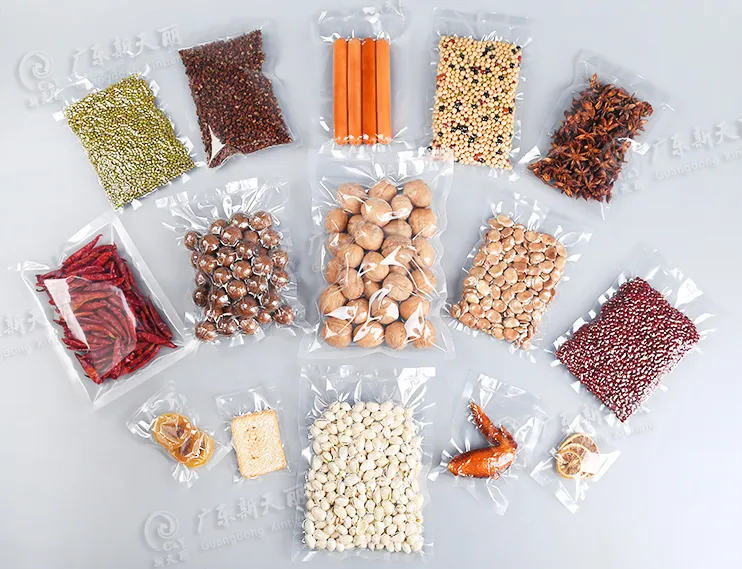
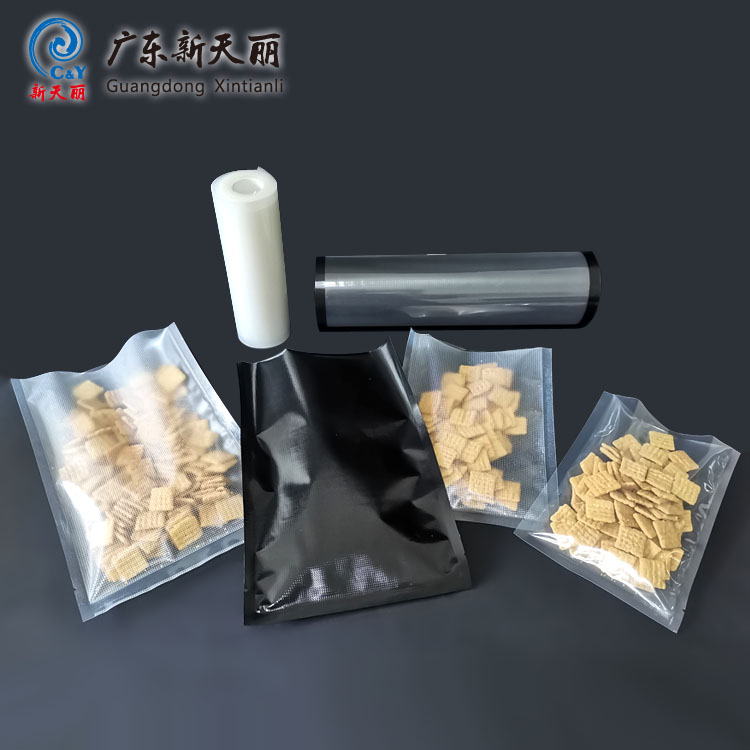
食品のためのバルク真空袋、明確な真空袋の製造者

Frequently Asked Questions

Is FDA compliance enough for global food packaging?

No. FDA compliance covers the U.S. market, but products exported to Europe and other regions may require additional regulatory documentation and testing.

Do all food packaging products need migration testing?

Migration testing is highly recommended and often required for food-contact applications, especially for packaging exposed to heat, oils, or extended storage conditions.

What is the most important certification for food packaging suppliers?

There is no single certification. FDA compliance, EU food contact compliance, migration testing, and BRCGS certification are among the most commonly requested by buyers.

Can sustainable packaging still meet food safety requirements?

Yes. Recyclable and mono-material flexible packaging can be designed to meet food safety regulations while supporting sustainability goals.


Work with Stanley Package for Certified Flexible Food Packaging

1998年設立、 スタンレー・パッケージ is a leading custom flexible packaging manufacturer serving food brands, importers, and distributors worldwide.

Operating from a 15,000-square-meter manufacturing facility, we supply a wide range of packaging pouches and roll stock packaging films backed by advanced production technology and strict quality management systems.

Our facility is equipped with:

  • 10-color electronic shaft high-speed gravure printing machines
  • High-speed dry lamination systems
  • High-speed solvent-free lamination systems
  • Extrusion coating lines that require no solvents or adhesives
  • Advanced RTO systems for VOC treatment and environmentally responsible production

We support customers with customized packaging solutions, regulatory documentation, and reliable manufacturing capabilities for global food packaging projects.

Whether you need stand-up pouches, coffee packaging, snack packaging, frozen food packaging, or roll stock films, our team is ready to help you develop safe, compliant, and market-ready packaging solutions.

連絡先 スタンレー・パッケージ today to discuss your custom flexible food packaging requirements.

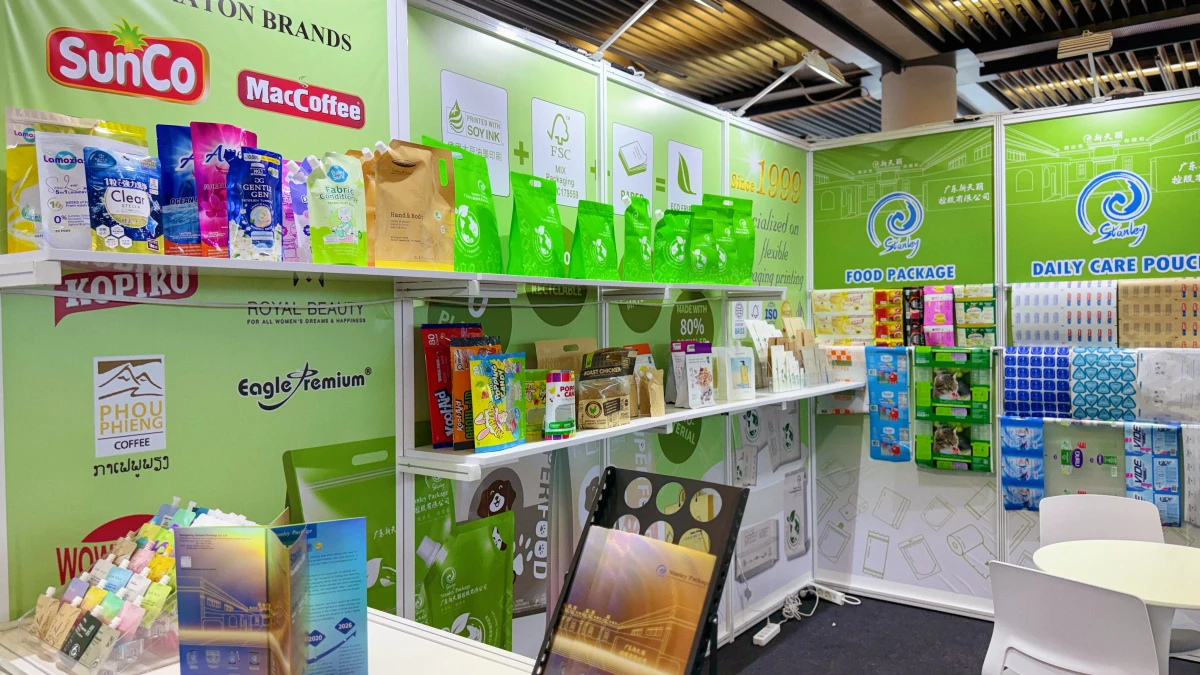
Stanley Package at Interpack 2026, Sustainable Packaging Solutions

お問い合わせ

スタンレーは、カスタマイズされたフレキシブルパッケージングソリューションに焦点を当て、高品質のワンストップカスタム印刷パウチサービスを提供することをお約束します。
+86-13727046097[email protected]中国広東省潮州市東風鎮内盤工業区

お問い合わせ

スタンレーは、カスタマイズされたフレキシブルパッケージングソリューションに焦点を当て、高品質のワンストップカスタム印刷パウチサービスを提供することをお約束します。
+86-13727046097[email protected]中国広東省潮州市東風鎮内盤工業区

興味のある人を探す